Italian Farmers Revive Seed Saving and Bartering to Challenge Four Firms' Grip on Half the World's Seed Supply
Key Takeaways
- •Bayer, Corteva, Syngenta and BASF control 56% of the global commercial seed market and 61% of the pesticide market.
- •A seed-saving workshop organized by Italy’s Rete per l’Agricoltura Naturale sold out within a week after drawing more than 1,600 sign-ups from a Facebook post.
- •Utility patents on seed traits can require farmers to buy new seed each season and can leave them open to lawsuits if they replant patented seed without a license.
- •In the U.S., Corteva leads corn seed with 38.3% and four firms control 93.6% of cotton seed, with Bayer at 38.4%.
- •The FAO estimates that roughly 75% of crop genetic diversity has been lost over the past century as uniform commercial varieties replaced local ones.
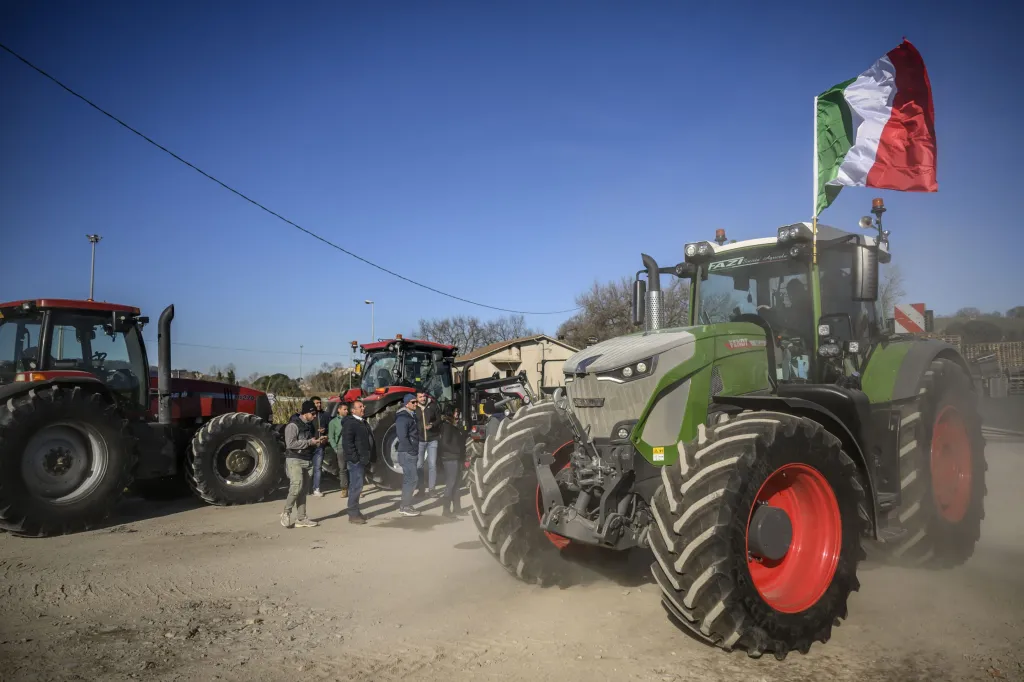
A farmhouse in the hills of Italy's Marche region hardly looks like the front line of a fight against four of the world's biggest agrochemical companies. Yet that is exactly what it became on Aug. 7, when a five-year-old Italian farming network gathered there to teach people how to save, trade, and pass down seeds that no company can patent. The stakes are considerable: farmers can be sued for replanting patented seeds, and the workshop drew interest because seed ownership increasingly shapes what farmers can grow, save, and exchange from one season to the next.
The event was organized in less than a month and sold out within a week, after a single Facebook post drew more than 1,600 sign-ups in a matter of days. The demand points to a growing pain point for farmers: Bayer, Corteva, Syngenta, and BASF now control 56% of the world's commercial seed market and 61% of its pesticide market, with Bayer alone holding 23% of global seeds. Economists typically regard a 40% combined share among a sector's top four firms as the point at which market distortions begin, and 60% as the threshold that attracts heightened antitrust scrutiny. The farming industry as a whole already sits at or above that line.
The Rete per l'Agricoltura Naturale, or RAN, calls its initiative the Casa Diffusa dei Semi, or Distributed Seed House: a network of growers who save, reproduce, and share seeds free of patents and genetic modification, built as an alternative to the corporate seed system. Antonio Lo Fiego, an agronomist and technical director at Arcoiris Sementi Bio, led the first workshop, on selecting, gathering, and preserving vegetable seeds. It ran on a gift-economy model, with no fee to join. RAN says it plans to run the workshop again in future seasons, alongside the rest of a 2026 calendar that has been selling out within days of opening.
How four firms ended up owning the world's seeds
A small number of mergers reshaped the industry within a decade, leaving more than half of the world's seed supply in the hands of just four companies. Dow and DuPont combined their agricultural divisions into Corteva, while China National Chemical Corporation bought Syngenta and later merged it with Sinochem's farm assets. Bayer paid $63 billion for Monsanto in 2018, seeking a bigger position in seeds and genetically modified crops just as its two biggest rivals were consolidating around it; it subsequently dropped the Monsanto name and folded the business into its own brand. BASF, which did not have a major seed business of its own, bought a package of Bayer's seed and pesticide assets—including canola, soybean, and vegetable seed lines—that regulators had forced Bayer to sell off to win approval for the Monsanto deal in the first place.
The same four firms now sell both the seeds farmers plant and the pesticides those seeds are bred to work with. Monsanto's then-CEO framed the coming wave of mergers around selling farmers seeds, chemicals, and data as a single package, rather than as products farmers could mix and match. Bayer has since agreed to pay more than $12 billion to settle tens of thousands of U.S. lawsuits tied to Roundup, and days after major farm groups backed Bayer in a Supreme Court case over Roundup cancer claims, Bayer's Monsanto subsidiary asked Washington for tariffs on a glyphosate ingredient—a move those same groups said would raise costs for farmers.
The concentration runs deeper still at the crop level. In the U.S., Corteva controls 38.3% of corn seed and Bayer 33.3%. Cotton is the most concentrated of all: four firms control 93.6% of U.S. cotton seed, with Bayer alone at 38.4%. Bayer and BASF together hold patents covering 90% of trait acres across corn, soybeans, and cotton.
Farmers can be sued for replanting patented seeds
Patents on seed traits allow a company to restrict who can grow a variety and can require farmers to buy new seed each season rather than saving and replanting their own harvest. Traditional plant variety rights—the older system for protecting new crop varieties—still let farmers save seed from their own harvest for personal use. Utility patents, the stronger protection now expanding into gene-edited crops, carry no such exemption: a farmer who replants patented seed without a license can be sued, regardless of whether they bought the seed or grew it themselves.
RAN and its predecessor, the older Rete Semi Rurali, both ground their work in Article 9 of the FAO's International Treaty on Plant Genetic Resources for Food and Agriculture, which recognizes farmers' rights to save, use, exchange, and sell farm-saved seed. The FAO estimates that roughly 75% of crop genetic diversity has been lost over the past century as uniform, commercially bred varieties displaced local ones.
Italy's agriculture is already showing what that narrowed resilience looks like under stress. Extreme heat this year can cut milk production at Italian dairy farms by as much as 10%, and pushed grape harvests in Lombardy's Franciacorta region to their earliest start on record, underscoring why seed diversity and local adaptation remain a practical issue rather than a purely nostalgic one.
"Taking this path represents a danger for farmers and peasant seeds, as well as for the environment and consumers," said Stefano Mori, coordinator of Centro Internazionale Crocevia, an Italian organization that has worked for more than three decades on food sovereignty, farmers' rights, and biodiversity protection.
"Covered by industrial patents, NGTs and the products derived from them could accelerate the already worrying concentration of the seed market and contaminate non-cultivated fields with biotech varieties," he continued, "amounting to a genuine misappropriation of peasant biodiversity and undermining the very survival of organic farming."
This story was originally featured on Fortune.com.

