Itaewon Film Festival Returns for Second Year with Expanded Programming and International Collaborations
Key Takeaways
- •The Itaewon Film Festival's second edition runs September 10 to 13, presenting 33 films from more than 20 countries across seven thematically curated programs.
- •The festival has relocated to Poolmoojil, a progressive bookstore in Haebangchon, as part of its effort to deepen connections with the local Yongsan arts ecosystem.
- •A partnership with the Embassy of Peru has produced the festival's largest program this year, a model organizers plan to replicate with different nations annually.
- •The opening film, 'Flower Cow' (2024), documents Animal Liberation Wave activists establishing South Korea's first cattle sanctuary after rescuing cattle near an illegal dog farm.
- •Ticket prices are structured for accessibility, with single-program tickets at 7,000 won, day passes at 12,000 won, and full-event passes at 39,000 won.
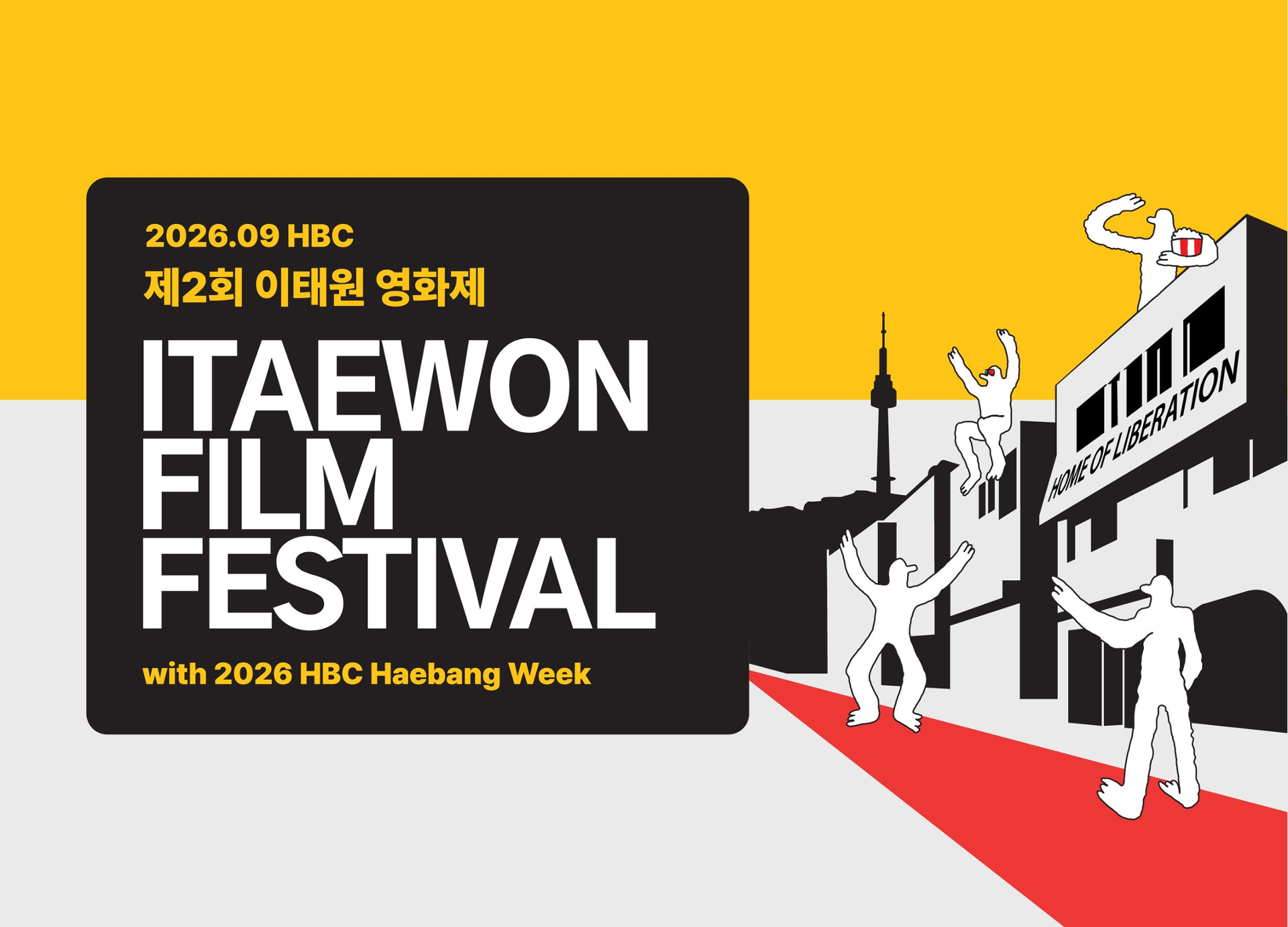
The Itaewon Film Festival enters its second year with clear signs of growth, broadening its impact on both its immediate neighborhood and the wider city of Seoul. The expansion comes as Seoul's independent film scene continues to diversify, with neighborhood-rooted festivals complementing larger established events like the Bucheon International Fantastic Film Festival and the Seoul Independent Film Festival.
Set in Haebangchon and Itaewon — two central Seoul districts long known as enclaves for artists, expatriates, and those operating outside Korea's cultural mainstream — the festival draws creative direction from the distinctive, outsider character of its host communities. The Yongsan district, which encompasses both neighborhoods, has been a focal point of Seoul's ongoing cultural and urban development, adding broader municipal interest to grassroots events like this one.
This year's edition runs from September 10 to 13 as part of Haebang Week, a weeklong series of events affiliated with the Block Party Music & Arts Festival. The festival's slogan, "Home of Liberation," references the meaning of Haebangchon, which translates directly to "Liberation Village."
Co-founder Simon Chong has emphasized how deeply the neighborhood shapes the festival's identity.
"Itaewon and HBC (Haebangchon) have been home for people with different backgrounds for a long time," Chong said. "When I think about the word 'home', I think of a place where you can be who you are, where you can feel safe and where you are accepted. We came up with that slogan not just because we are collaborating with Haebang Week, but also to remind people that they are already home, at least in our event and community."
A total of 33 films from more than 20 countries will screen across four days, organized into seven curated programs exploring themes such as "Never Truly Alone," "How We Love," "Close but Far," "Where Is My Home," and "You Are Home." The selections are unified by shared ideas of identity, belonging, and human connection.
"We focused on themes and messages for the selection process," Chong said. "What's fascinating is that when the themes and messages are right, they can overcome cultural differences. We believe the audience and the community can relate to and connect with what each film is trying to communicate. It becomes a process of discovering similarities more than differences, and I believe that's what makes a community stronger."
The festival opens with "Flower Cow" (2024), directed by Korean filmmaker Leem Joong-wan. The 80-minute documentary follows Animal Liberation Wave activists as they rescue 15 cattle found near an illegal dog farm and work alongside local residents and elderly villagers to establish South Korea's first cattle sanctuary.
Day two shifts to short films with two consecutive blocks — "Never Truly Alone" and "How We Love" — featuring works from Mexico, Singapore, Brazil, Germany, Taiwan, and France.
The third day's "Close but Far" program centers on Korean narratives, including "Land of My Father" (2020), which follows two individuals fighting for recognition and representation on Dokdo Island.
Also on the third day, the "Spirit of Peru" section will run from 3 p.m. to 7:30 p.m. — the festival's largest program this year. The showcase emerged from a conversation with the Embassy of Peru during the inaugural edition. Embassy-led cultural programming is a well-established feature of Seoul's international landscape, with numerous foreign missions regularly partnering with local institutions to showcase national cinema and arts.
"Last year during the festival, the Embassy of Peru reached out and suggested a collaboration," Chong said. "The embassy did a great job organizing their wonderful films, and that influenced the programming for sure. This collaboration gave us the new idea about collaborating with different cultures and nations every year with different themes, and we are currently looking into our options for the next."
The partnership reflects the festival's approach to building international reach through neighborhood-level cultural exchanges, developing relationships one at a time.
The closing day features "Where Is My Home" and "You Are Home," programs built around themes of displacement and belonging, presenting films from Russia, the United States, Greece, Kazakhstan, and Switzerland.
Most programs run approximately two hours and are followed by director Q&A sessions designed to foster genuine connections between audiences and filmmakers.
"We hope audiences get to know the filmmakers through these conversations," Chong said. "Often audiences don't see what filmmakers see, and sometimes it's the other way around. But through this process, I believe we'll discover that the values we share aren't so different after all."
This year also marks a venue change to Poolmoojil, a progressive bookstore in Haebangchon. The move aligns with the festival's stated mission of strengthening ties with Yongsan's local arts ecosystem, shifting screenings from a traditional theater into a cultural hub known for reading groups, book talks, and community events. The use of non-traditional screening venues has become an increasingly visible practice among independent film exhibitors seeking to lower barriers to entry and reach audiences outside conventional cinema spaces. Each program is limited to 50 seats, creating a more intimate viewing experience.
"This year, because of our collaboration with Haebang Week, Poolmoojil opened up their venue for us," Chong said. "I believe it benefits our audience both in timing and location, since they can enjoy the film festival and Haebong Week on the same street at the same time."
Ticket pricing is structured for accessibility. Single program tickets cost 7,000 won, a day pass covering two programs is 12,000 won, and a full event pass covering all seven programs is 39,000 won.

