Iron Ore Prices Hit One-Year Low as China Demand Slump Deepens
Key Takeaways
- •Singapore benchmark iron ore futures fell as much as 2.3% to $93.65 per ton, the lowest intraday level since July 2025, while the most-active Dalian contract dropped nearly 3%.
- •China, which accounts for roughly 70% of global seaborne iron ore imports, continues to see soft steel demand amid a multi-year property downturn and weakening mill margins even as producers ship near-record supply volumes.
- •Vitol Group and Cargill Inc. have stopped doing business with major physical trader Radiant World over concerns about fake invoices, while Intesa Sanpaolo and Jefferies' Point Bonita fund are reviewing their exposures; Radiant World called the allegations categorically untrue.
- •UBS analyst Myles Allsop forecasts iron ore prices to average approximately $100 per ton in 2026 and decline to around $95 per ton in 2027 as the market surplus deepens.
- •Port inventories in China have built materially over the past year, leaving market participants watching whether the upcoming peak construction season will bring any meaningful demand recovery.
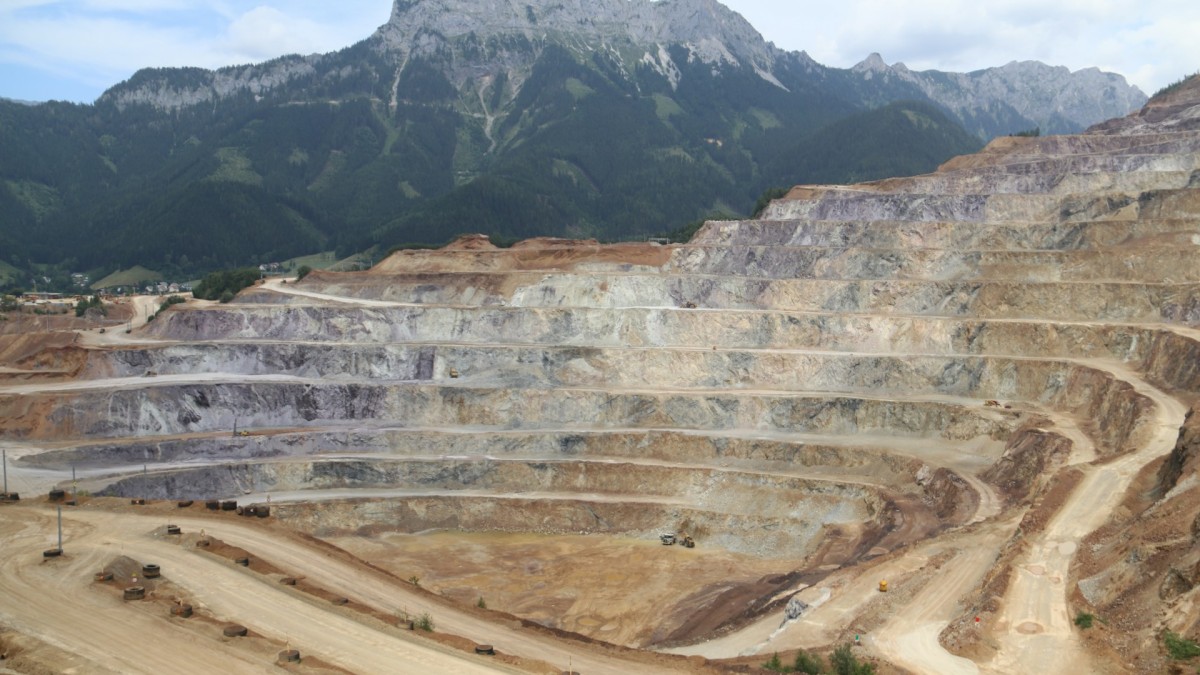
Iron ore futures in Singapore fell to their lowest intraday level in one year as deteriorating fundamentals continued to weigh on the market.
Steel demand in China — which accounts for roughly 70% of global seaborne iron ore imports — remains soft amid an ongoing construction slump and weakening mill margins, while supply continues to increase, reinforcing expectations of a growing surplus. China's property sector, a dominant driver of steel-intensive construction activity, has been in a multi-year downturn, and its failure to meaningfully recover continues to drag on demand for the steelmaking raw material. According to Bloomberg, the latest concerns surrounding major physical trader Radiant World added another layer of uncertainty, but the broader bearish narrative remains centered on lackluster demand failing to absorb rising supply. Major producers in Australia and Brazil, meanwhile, have continued to ship at or near record volumes even as the demand picture darkens.
Bloomberg reported on Friday that Vitol Group and Cargill Inc. have stopped doing business with Radiant World, a privately held company, amid concerns over fake invoices. In addition, Intesa Sanpaolo SpA and Jefferies Financial Group Inc.'s Point Bonita fund were reviewing their exposures to the company. Radiant World — which has grown in recent years to become one of the market's main players — said the developments are "categorically untrue."
Separately, Myles Allsop, a London-based mining and metals research analyst at UBS, recently noted: "Iron ore fundamentals remain cautious; prices are starting to test the low end of the range." When asked whether iron ore will trade above $100 per ton in 2027, Allsop responded, "Probably not," and added the following assessment:
Iron ore fundamentals are deteriorating with supply lifting while demand is soft; this has resulted in inventories lifting materially over the last 12 months. We note cost support levels have lifted with higher diesel/freight rates but these are set to moderate over the next 12 months if the ceasefire holds & oil/gas prices normalise. We expect iron ore prices to average ~$100/t in 2026 and moderate to ~US$95/t in 2027 with the market in a larger surplus and prices stepping down to trade just above the ~90th percentile of the value-in-use curve or ~$90/t. We expect steel scrap to start to displace iron ore demand from 2027 when China's ETS gets tighter (although the scale and pace is opaque and dependent on highly fragmented collection and processing, as well as policy support).
Overnight, iron ore futures extended their selloff, with benchmark Singapore contracts falling as much as 2.3% to $93.65 a ton — the lowest intraday level since July 2025 — while the most-active Dalian contract dropped nearly 3%. The price action reflects bearish sentiment toward the steelmaking raw material, as weakening Chinese demand, softer steel margins, and increasing supply continue to pressure the market. With port inventories in China having built materially over the past year, market participants are watching whether the upcoming peak construction season brings any demand pickup — or whether the surplus deepens further.

