Iran's IRGC Seizes Vessel as Second Ship Struck Near Strait of Hormuz
Key Takeaways
- •The IRGC seized one vessel and a second ship was hit by an unknown projectile near Khasab, Oman, marking the latest escalation in Strait of Hormuz maritime tensions.
- •The Strait of Hormuz is a critical chokepoint through which approximately one-fifth of global oil consumption transits each day.
- •Prediction markets now price a 5.5% likelihood that Iranian-controlled islands such as Farsi, Hengam, Hormuz, or Kharg will not remain under Iranian control by the end of September.
- •Shipping insurers and maritime security firms typically raise threat assessments and transit costs for Gulf operators following such incidents.
- •The United States maintains a regional naval presence through its Fifth Fleet headquartered in Bahrain and has previously deployed additional warships in response to IRGC actions.
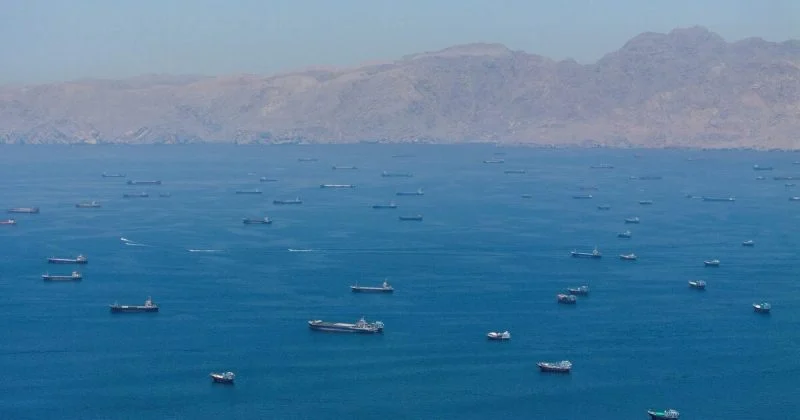
Iran's Islamic Revolutionary Guard Corps (IRGC) has seized a vessel, and a second ship was struck by an unknown projectile east of Khasab, Oman, according to reports. The incidents mark the latest escalation in ongoing maritime tensions in the Strait of Hormuz, a critical chokepoint through which roughly one-fifth of global oil consumption transits daily.
The seizure follows a pattern of previous IRGC actions in the region, where commercial vessels have been intercepted under claims of maritime rule violations. Iran has periodically used such seizures as a form of leverage in negotiations with Western powers over sanctions and nuclear policy, making each incident a potential signaling mechanism as much as a tactical operation. The simultaneous reports of a vessel seizure and a projectile strike on a separate ship underscore the heightened risk to commercial shipping in the area and the potential for broader escalation. Shipping insurers and maritime security firms typically adjust threat assessments for vessels operating near Iranian waters following such events, which can raise transit costs and insurance premiums for operators in the Gulf.
Prediction market data related to Iranian island control has shifted in response to the events. The likelihood of Farsi, Hengam, Hormuz, or Kharg Island not being under Iranian control by the end of August is currently priced at 2.1% YES, rising to 5.5% YES by the end of September. These figures reflect growing market expectations of a possible foreign intervention or reduced control by Iranian authorities over the strategically located islands.
The situation remains tense as stakeholders, including the United States and regional allies, monitor developments. Observers are watching for official responses from Washington and its allies, which could signal a shift toward more direct involvement. The United States maintains a naval presence in the region through Fifth Fleet operations headquartered in Bahrain, and previous IRGC incidents have prompted deployments of additional warships and maritime patrol assets. Further IRGC actions or additional maritime incidents may also influence perceptions of Iranian control over strategic positions in the Strait.
Diplomatic engagements or moves toward de-escalation could similarly affect the outlook on the likelihood of external actors gaining control over the islands by the end of September. The dual incidents are consistent with scenarios in which sustained conflict could lead to significant geopolitical shifts across the region.
