Fired Florida Prosecutor Sues DOJ, Alleging MAGA Influencer Post Derailed Multimillion-Dollar Medicare Fraud Case
Key Takeaways
- •Will Rosenzweig, a career federal prosecutor in the Southern District of Florida, filed a lawsuit claiming the DOJ terminated him in retaliation for personal blog posts critical of the first Trump administration.
- •The termination allegedly occurred within hours of social media posts by conservative commentator Natalie Winters and disrupted an ongoing multimillion-dollar Medicare fraud trial.
- •Rosenzweig's complaint asserts that his firing violated First Amendment protections established under Supreme Court precedent for public employees speaking on matters of public concern.
- •Two of the three defendants in the Medicare fraud case were ultimately convicted several months after Rosenzweig's departure from the U.S. attorney's office.
- •The lawsuit joins multiple legal challenges by former DOJ employees contesting dismissals carried out under the administration's claimed constitutional authority, testing unresolved limits on presidential firing power.
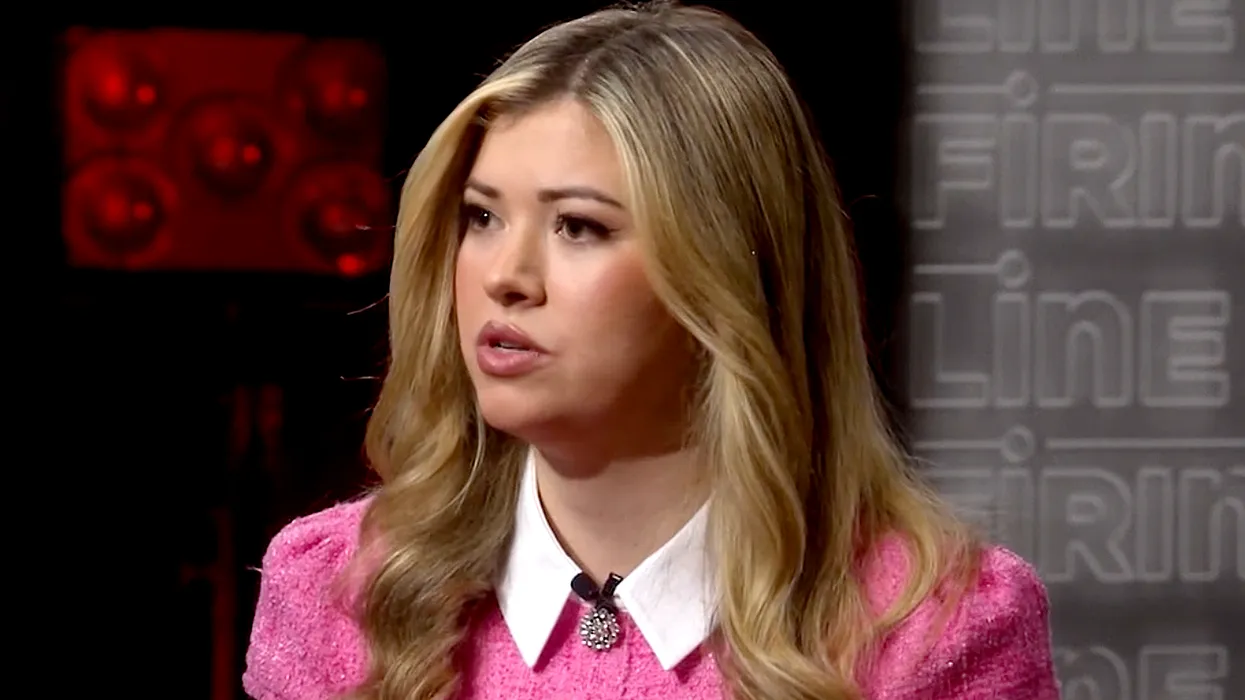
A newly filed lawsuit alleges that the U.S. Department of Justice terminated an assistant U.S. attorney from the Southern District of Florida after a conservative social media influencer publicly targeted him, causing disruption to a major Medicare fraud prosecution.
Will Rosenzweig, who served as an assistant U.S. attorney, filed the lawsuit on Friday, according to Bloomberg Law. The complaint asserts that the DOJ fired him in retaliation for exercising his First Amendment rights as a private citizen during the first Trump administration. Assistant U.S. attorneys are career federal prosecutors who typically remain in their posts across presidential administrations, distinguishing them from politically appointed U.S. attorneys who serve at the pleasure of the president.
According to the filing, conservative political commentator Natalie Winters uncovered a personal blog in which Rosenzweig had written about "his disagreement with policies and rhetoric of the first Trump administration." Winters subsequently posted on social media claiming the federal prosecutor was part of "vicious attacks on President Trump and his supporters."
Rosenzweig's attorneys alleged that one of the three defendants in the Medicare fraud case, Sandro Herek, was a follower of Winters. Within hours of Winters' social media posts, Rosenzweig received an email notifying him of his termination. At the time, he was not in the office; he was observing Rosh Hashanah with his family.
"DOJ's actions effectively sabotaged its own criminal prosecution of a multimillion-dollar fraud case at the urging of a social media post. In doing so, Defendants violated the rights guaranteed to Mr. Rosenzweig under the U.S. Constitution and federal law," the court filing alleges.
The termination email did not specify a cause beyond citing the president's constitutional authority to hire and fire executive branch personnel. However, Rosenzweig's legal team contends the DOJ targeted him specifically for his protected speech. The lawsuit states: "Defendants violated Plaintiff's constitutionally protected rights by terminating him because of his exercise of this protected speech, or because of his presumed political affiliation and beliefs associated with that speech, or both." The Supreme Court has held in cases such as Pickering v. Board of Education (1968) that public employees retain some First Amendment protections for speech on matters of public concern, though the scope of those protections for federal prosecutors remains an area of active legal dispute.
The dismissal disrupted the Medicare fraud trial, forcing the U.S. attorney's office to request a delay from a federal judge after the lead counsel was removed by then-Attorney General Pam Bondi, the filing alleges. Medicare fraud prosecutions are a core enforcement priority for the Justice Department, which recovers billions of dollars annually through health-care fraud cases pursued by U.S. attorney's offices across the country.
In a statement issued Friday, Rosenzweig's representatives said: "Will Rosenzweig was an excellent prosecutor who returned millions of dollars to the taxpayers by prosecuting healthcare fraud cases. Yet the Department of Justice fired him on the eve of trial because, years ago as a private citizen, he published criticisms of President Trump."
Several months after Rosenzweig's departure, the U.S. attorney's office announced convictions against two of the three defendants in the case.
Rosenzweig is among numerous Justice Department employees removed under the administration's asserted "Article II" authority who have filed or joined lawsuits challenging the terminations for alleged procedural violations. In a separate notable case, former prosecutor Maurene Comey alleged she was terminated due to President Trump's conflict with her father, former FBI Director James Comey.
As Politico reported on Friday, these lawsuits from former DOJ staff represent a significant test of presidential authority that the Supreme Court's prior rulings have left unresolved. Lower "courts have consistently ruled that the Trump administration's maneuvers to keep its unconfirmed prosecutorial picks in office beyond an initial 120-day limit are illegal," Politico noted. "Trump has worked around that by giving those people other titles while they act as de facto leaders — and by firing any alternatives elevated by district judges."
