Iran Warns Any Country Joining US Sanctions Will Be Considered an 'Enemy'
Key Takeaways
- •Mohsen Rezai, head of Iran's Supreme National Security Council, declared on state television that any country participating in economic restrictions against Iran would be regarded as an enemy.
- •Rezai threatened to strike US oil and economic companies if sanctions are imposed, stating that Iran has so far targeted only military bases and warned any confrontation would be like an earthquake.
- •Iran's coastline flanks the Strait of Hormuz, a Gulf chokepoint through which roughly one-fifth of the world's oil supply passes, giving Tehran potential leverage over global energy flows.
- •The United Arab Emirates announced the suspension of all trade and financial transactions with Iran until further notice, cutting a long-standing hub for Iranian imports, re-exports, and financial dealings centered on Dubai.
- •China, Iran's largest crude oil buyer and strategic partner under a 25-year cooperation agreement signed in 2021, has criticized the US sanctions initiative, arguing it will not resolve the Middle East conflict.
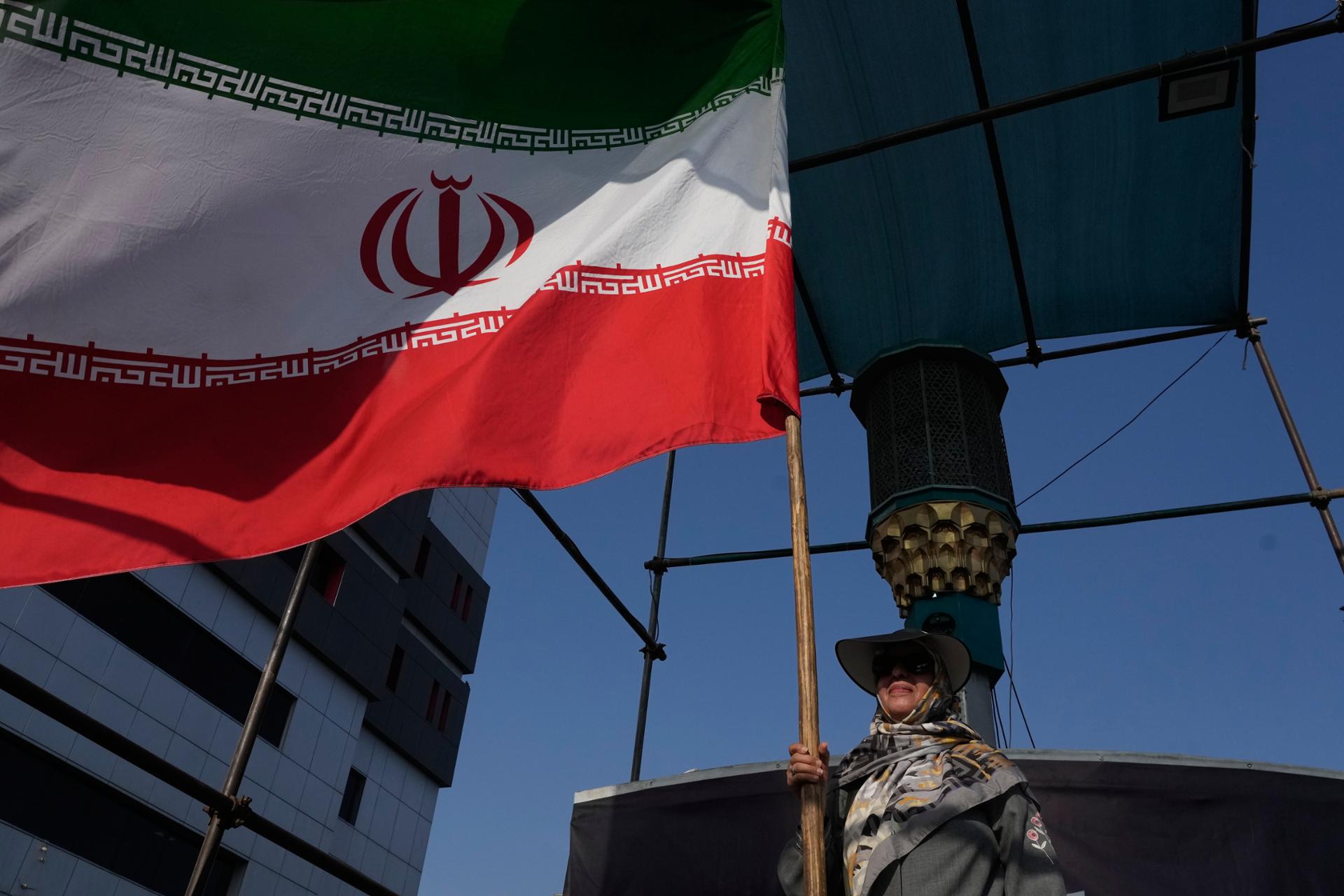
TEHRAN — Iran warned Saturday that any country joining the United States' "economic war" against the Islamic republic would be considered an enemy, as Washington presses its allies to support President Donald Trump's campaign to isolate the Iranian economy.
The warning came from Mohsen Rezai, the head of Iran's Supreme National Security Council, speaking on state television as the U.S. president's unpopular war drags toward the six-month mark. A veteran of the Islamic republic's ruling establishment, Rezai commanded the Revolutionary Guards during the 1980–88 war with Iraq.
"We declare to all countries ... do not join the economic war waged by the United States," Rezai said. "Any country participating in the imposition of economic restrictions against us is considered an enemy."
He added that if the countries concerned refused to "distance themselves" from the United States, Iran would "harm" their interests.
Rezai also insisted that the Islamic republic had more cards to play in the war, claiming that "we have not yet attacked any American economic interests."
"So far, we have only targeted military bases, but if they want to impose economic sanctions on us, the United States has oil and economic companies around Iran and elsewhere, and we will strike them," Rezai threatened.
Should Trump "take action, our confrontation will be like an earthquake," he added.
The threats draw on Iran's geography: its coastline flanks the Strait of Hormuz, the narrow Gulf chokepoint through which roughly a fifth of the world's oil supply passes, giving Tehran potential leverage over global energy flows.
Washington has also called on other governments to join its efforts to isolate the Iranian economy, notably China, which is among Iran's top strategic partners and its largest buyer of crude oil; the two countries signed a 25-year strategic cooperation agreement in 2021. Beijing, however, has criticized the initiative, arguing that American sanctions would not resolve the conflict in the Middle East.
Among Iran's major trading partners, the United Arab Emirates announced Tuesday that it was suspending all trade and financial transactions with Tehran until further notice. The move touches a core artery of Iranian commerce: the UAE has long ranked among Iran's largest trading partners, with Dubai serving for decades as a hub for Iranian imports, re-exports and financial dealings.
