Iran Blocks Strait of Hormuz, Escalating Tensions With the United States
Key Takeaways
- •Iran says the Strait of Hormuz will remain inaccessible until conditions it has not disclosed are fulfilled, escalating tensions with the United States.
- •Roughly one-fifth of global petroleum liquids consumption transits the strait, which narrows to about 21 miles between Iran and Oman, according to the U.S. Energy Information Administration.
- •The U.S. Navy's Fifth Fleet, headquartered in Bahrain, is providing escorts for shipping as maritime operations in the region face heavy restrictions.
- •Iran's firm stance on keeping the waterway closed points to a significant setback in diplomatic efforts involving international actors such as Oman and the United States.
- •Market odds of a U.S.-Iran agreement by the end of September have dropped to 5.8% YES, indicating reduced confidence as maritime restrictions continue to pressure global shipping and energy markets.
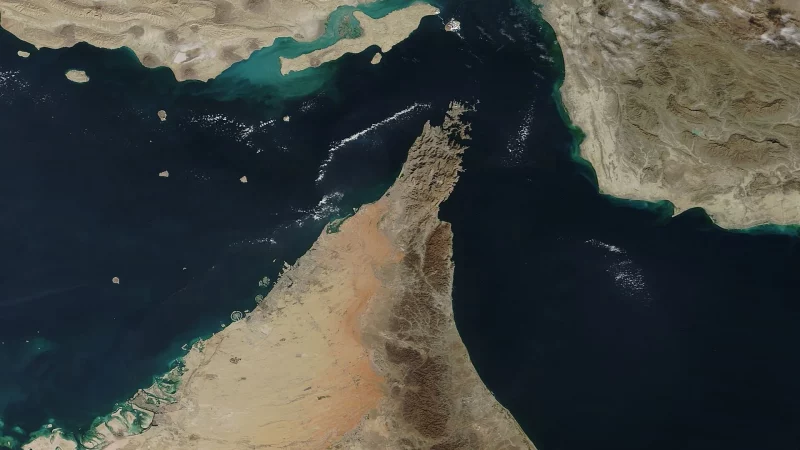
Iran has declared that the Strait of Hormuz will remain inaccessible until unspecified conditions are satisfied, a statement that further intensifies tensions between Iran and the United States over the strategic waterway.
The Strait of Hormuz is a narrow passage between Iran and Oman that connects the Persian Gulf to the Gulf of Oman. At its narrowest point it is only about 21 miles wide, with commercial traffic funneled through two shipping lanes each two miles across, separated by a two-mile buffer zone. It serves as a crucial passage for global oil shipments — roughly a fifth of global petroleum liquids consumption transits the strait, according to the U.S. Energy Information Administration — making its status a focal point of the confrontation.
Maritime operations in the region have been heavily restricted as the conflict escalates, with the United States providing escorts for shipping. The U.S. Navy's Fifth Fleet, headquartered in Bahrain, is the command responsible for maritime security operations in the region, where freedom-of-navigation patrols have long been a fixture. Iran's firm stance on keeping the strait closed suggests a significant setback in diplomatic negotiations involving key international actors such as Oman and the United States.
Market Reaction
Current market pricing shows a notable drop in odds to 5.8% YES, suggesting decreased confidence in a U.S.-Iran agreement by the end of September. The escalation in maritime restrictions is consistent with a scenario in which the Strait remains closed, impacting global shipping and energy markets.
What to Watch
Observers should monitor developments from U.S. Central Command and statements from Iranian officials that could indicate shifts in the diplomatic landscape. Any announcements of renewed negotiations or conciliatory actions by either party could influence market dynamics. Updates from international news agencies such as Reuters and AP may provide breakthrough reports on the status of the strait and any potential agreements.
The situation remains fluid, and any significant change in conditions could alter current market perceptions.

