Iran’s Pezeshkian Urges End to Conflict From a “Position of Power and Dignity” as US Sanctions Loom
Key Takeaways
- •Pezeshkian called for resolving Iran’s conflict from a position of power and dignity.
- •The United States is preparing to intensify sanctions on Iran under a campaign described as “Economic D-Day.”
- •U.S. sanctions have long targeted Iran’s energy exports, financial system, and security-linked entities.
- •Pezeshkian became president in 2024 after an early election following the death of Ebrahim Raisi in a helicopter crash.
- •Observers say the new sanctions may increase pressure on Pezeshkian’s leadership and affect internal political dynamics.
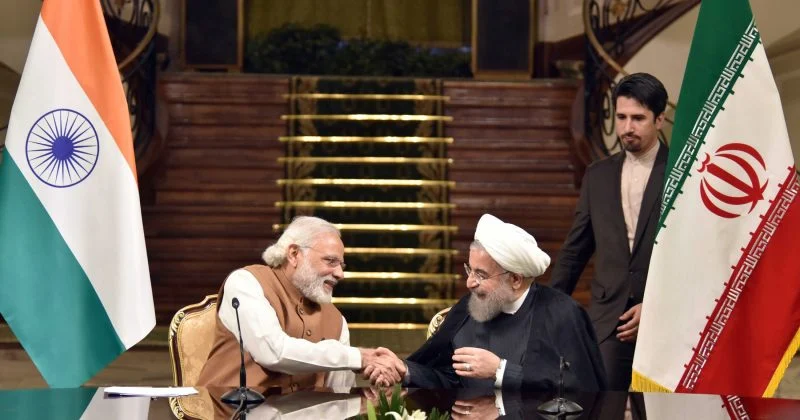
Iranian President Masoud Pezeshkian has asserted that Iran should end its ongoing conflict from a “position of power and dignity,” even as the United States prepares to intensify economic sanctions against Tehran.
His remarks come amid a prolonged military and diplomatic stalemate between Iran and the U.S., marked by an escalation of economic coercion. The anticipated sanctions, dubbed “Economic D-Day,” form part of Washington’s strategy to increase pressure on the Iranian government.
The United States has maintained extensive sanctions on Iran for decades, targeting the country’s energy exports, financial system, and entities linked to its security establishment, and successive administrations in Washington have relied on economic pressure as a central instrument of policy toward Tehran.
Pezeshkian, a physician, took office in 2024 after winning an early presidential election triggered by the death of President Ebrahim Raisi in a helicopter crash. Under Iran’s political system, ultimate authority rests with Supreme Leader Ayatollah Ali Khamenei, meaning the elected president’s standing depends in large part on support from the clerical and security establishments.
Observers note that Pezeshkian’s stance and the heightened U.S. measures may contribute to increasing uncertainty regarding his leadership. His call to end the war from a position of strength appears to reflect Iran’s current strategic posture amid U.S. pressure, while the sanctions, described as “Economic D-Day,” may heighten economic tensions and potentially influence the country’s internal political dynamics. Prediction-market pricing suggests an increase in the probability of Pezeshkian’s departure, with current odds at 12.5% that he leaves office by December 31.
What to Watch
Observers will be closely monitoring any further statements from the Iranian leadership that could affect perceptions of Pezeshkian’s political stability. Key indicators include actions by the Islamic Revolutionary Guard Corps (IRGC), a powerful branch of Iran’s armed forces, and any public support or criticism from influential figures such as Supreme Leader Ayatollah Ali Khamenei.
The forthcoming U.S. economic measures could place additional pressure on Iran’s leadership and shape the market’s view of Pezeshkian’s political future.
Developments concerning the Strait of Hormuz, the narrow maritime chokepoint between Iran and Oman through which roughly a fifth of globally traded oil passes, are also being watched, as changes there could indicate shifts in regional stability.
