Iran Says Progress Made in Oman Talks on Strait of Hormuz Management
Key Takeaways
- •Iran and Oman held several rounds of talks in Tehran on Friday and Saturday about management of the Strait of Hormuz.
- •The negotiations focused on safe passage for shipping and the sovereign rights of both countries bordering the waterway.
- •The talks followed renewed U.S. attacks on Iran after a June memorandum of understanding had briefly reduced tensions.
- •Axios reported that President Donald Trump declined to approve a 14th consecutive night of strikes after an Omani delegation arrived in Tehran.
- •Iranian state television said Iran’s armed forces stopped six vessels attempting to transit the strait after warnings issued over the previous 24 hours.
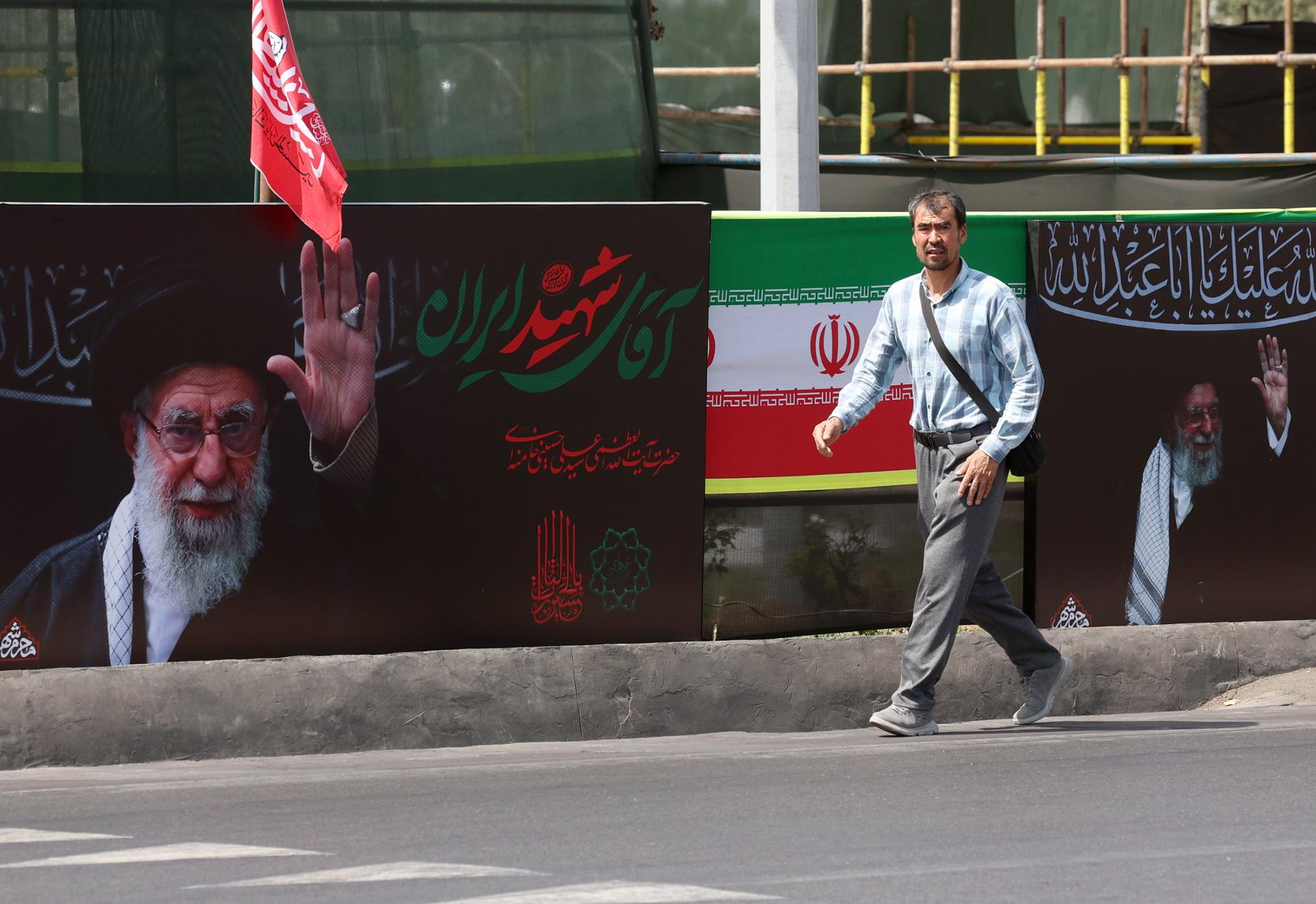
TEHRAN — Iran said Sunday that it had made progress in talks with Oman over the management of the Strait of Hormuz, the strategic waterway that both countries border and that is crucial to global oil and gas trade.
The strait links the Persian Gulf with the Gulf of Oman and the Arabian Sea, making it one of the world's most closely watched maritime chokepoints for energy shipments. Iran sits to its north and Oman to its south, giving both countries a direct role in any arrangement governing navigation there.
The latest negotiations followed the United States' resumption of attacks on Iran in an effort to end Tehran's control of the strait. Those attacks came after a June memorandum of understanding aimed at ending the war had briefly eased tensions.
Iranian foreign ministry spokesman Esmaeil Baqaei said several rounds of negotiations took place in Tehran on Friday and Saturday between deputy foreign ministers from Iran and Oman.
According to Baqaei, the talks centered on "common principles and operational mechanisms" intended to ensure the safe passage of shipping through the strait while respecting the sovereign rights of both states.
Baqaei described the discussions as "useful" and said progress had been achieved. He added that "technical and political consultations between the two sides were continuing."
In June, Oman and Iran said they would discuss imposing service fees, a proposal opposed by Washington. Muscat also said ships could transit Hormuz through its waters, a position that angered Tehran and was followed by what was described as a pattern of escalation.
The dispute has placed questions of maritime access, security guarantees and coastal-state authority at the center of the talks, with any operational arrangement likely to draw scrutiny from governments and shipping interests that rely on the passage.
Iran said Saturday that it had not recorded any U.S. attacks after nearly two weeks of strikes.
According to news site Axios, the Pentagon presented U.S. President Donald Trump with a plan for a 14th consecutive night of strikes, but Trump declined to authorize it in favor of renewed talks.
The Axios report said Trump ordered a hold on fire after an Omani delegation arrived in Tehran "for talks on a new arrangement to reopen the Strait of Hormuz."
In response to a separate question, Baqaei said there had been "no change" in the status of shipping traffic through the Strait of Hormuz.
Also on Sunday, Iran's armed forces stopped six vessels attempting to transit the Strait of Hormuz after warnings issued over the previous 24 hours, according to state television.

