Iran-Oman Negotiations on Strait of Hormuz Regulations Near Completion Without US Participation
Key Takeaways
- •Iran and Oman are finalizing regulatory discussions for the Strait of Hormuz, a waterway that carries approximately one-fifth of global petroleum consumption.
- •The negotiations with Oman do not involve the United States and carry no assurance of an immediate reopening of the strategic shipping channel.
- •Oman has a history of facilitating discreet diplomatic channels between Iran and Western governments, including preliminary talks that led to the 2015 JCPOA nuclear agreement.
- •Prediction markets maintain a 46% probability of a US-Iran diplomatic meeting by August 31, 2026, with upcoming dates in August being monitored for potential shifts.
- •External factors including Israeli actions and statements from US President Donald Trump are being watched as potential catalysts that could alter diplomatic and market dynamics surrounding the region.
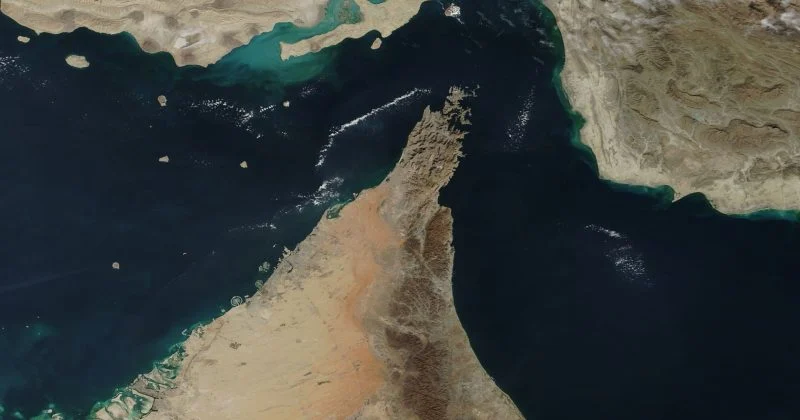
Iran has announced that its discussions with Oman regarding regulations for the Strait of Hormuz are nearing completion. The talks do not include the United States and do not promise an immediate reopening of the strategic waterway, according to Iranian officials.
Iranian authorities have emphasized the diplomatic nature of the discussions, reiterating that the Strait of Hormuz remains a critical leverage point in broader geopolitical negotiations. The waterway, situated between Oman and Iran, connects the Persian Gulf to the Gulf of Oman and is one of the world's most important oil shipping routes, carrying roughly one-fifth of global petroleum consumption through its narrow channel. Oman has a longstanding history of serving as a discreet intermediary between Iran and Western governments, having hosted preliminary talks that helped pave the way for the 2015 Iran nuclear agreement (JCPOA), making Muscat a natural channel for this round of discussions.
The ongoing dialogue with Oman exists within a larger framework involving a ceasefire track between Iran and the United States, though these specific negotiations remain separate from direct US-Iran talks. The absence of American engagement in the Iran-Oman discussions signals reduced optimism for imminent bilateral diplomatic meetings between Washington and Tehran. Iran has periodically threatened to close the Strait of Hormuz during periods of escalation with the US and its allies, and the US Navy's Fifth Fleet, headquartered in Bahrain, has maintained a presence in the region aimed at keeping the waterway open.
Market pricing currently reflects an unchanged outlook for a US-Iran meeting by August 31, 2026, holding at 46% YES in prediction markets. Observers are closely watching several key dates, including upcoming milestones on August 7 and August 15, where any substantial shift in diplomatic rhetoric or policy from either side could alter current market expectations.
Market participants are also monitoring geopolitical developments beyond the Iran-Oman channel. Actions by Israel and statements from US President Donald Trump are viewed as potential catalysts that could influence both diplomatic dynamics and market sentiment surrounding the Strait of Hormuz and broader regional stability.
An official announcement regarding US-Iran talks would represent a significant development, potentially reshaping market perceptions of near-term diplomatic prospects in the region.

