Iran Nuclear Enrichment Debate Intensifies Amid 2026 Conflict
Key Takeaways
- •Yusef Pezeshkian, son and adviser to Iran's president, publicly questioned the value of continuing uranium enrichment during wartime, sparking political debate.
- •Market pricing shows a 14.5% probability that Iran agrees to end uranium enrichment by December 31, 2026, up from 12% a week ago.
- •Public disagreement from within the president's close circle is unusual in Iran, where Supreme Leader Ayatollah Khamenei holds ultimate authority over nuclear and defense policy.
- •The IAEA has reported difficulty verifying Iran's nuclear activities due to restricted access, complicating diplomacy.
- •Observers are watching for responses from Ayatollah Khamenei and Foreign Minister Abbas Araghchi, plus possible mediation efforts by actors such as Oman.
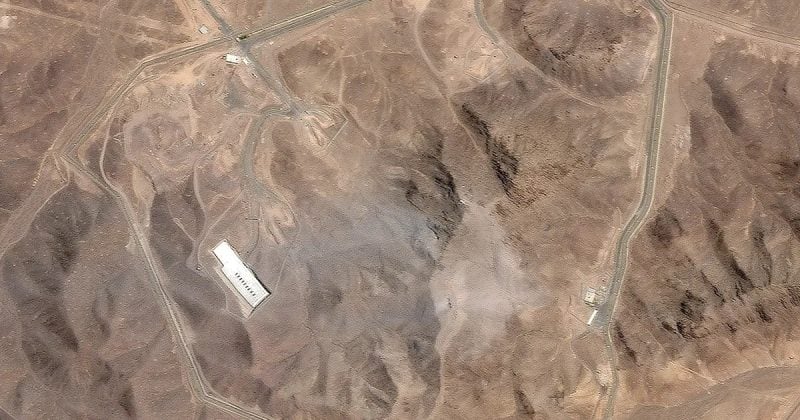
The dispute over Iran's nuclear enrichment program has escalated into a political confrontation following remarks by Yusef Pezeshkian, son and adviser to President Masoud Pezeshkian. Yusef Pezeshkian publicly questioned the value of continuing uranium enrichment during wartime, sparking significant political debate. The development adds another layer to an already contentious situation amid the 2026 conflict involving Iran, the United States, and Israel. Uranium enrichment has long been the central sticking point in disputes over Iran's nuclear program, as the same technology used for civilian reactor fuel can, at higher enrichment levels, support weapons-grade material production — a distinction underlying years of international concern. The International Atomic Energy Agency (IAEA) has noted difficulties in verifying Iran's nuclear activities due to restricted access, further complicating the diplomatic landscape.
Market participants appear to interpret Yusef Pezeshkian's comments as evidence of internal dissent regarding Iran's nuclear strategy. Public disagreement from within a close family and advisory circle to the president is unusual in Iran's political system, where the Supreme Leader, Ayatollah Ali Khamenei, holds ultimate authority over nuclear and defense policy. This scenario may reduce the likelihood of Iran agreeing to end uranium enrichment by the December 31, 2026, deadline. The market for Iran agreeing to this deadline currently shows a modest increase, with a 14.5% probability of a YES outcome, up from 12% a week ago.
The remarks have the potential to influence political dynamics within Iran, as key actors such as Ayatollah Ali Khamenei and Foreign Minister Abbas Araghchi weigh their responses. With the IAEA's restricted access and ongoing regional tensions, the situation remains fluid, and the likelihood of reaching a nuclear agreement continues to be a significant focus for observers and participants alike.
Key Takeaways
The political dispute in Iran over nuclear enrichment suggests internal disagreements may impact the likelihood of ending enrichment by year-end.
Market pricing reflects a slight increase in the probability of a December 31 agreement, though overall odds remain low.
The ongoing conflict and the IAEA's verification challenges continue to play a critical role in shaping market expectations.
What to Watch
Key developments to monitor include statements from Iran's leadership, particularly Ayatollah Khamenei and President Masoud Pezeshkian. Any diplomatic efforts or shifts in military dynamics involving Iran, the U.S., and Israel could significantly impact market perceptions. Updates from the IAEA on its ability to verify Iran's nuclear activities would also be crucial in shaping expectations about the enrichment program's future. Observers will additionally be watching for any mediation attempts by international actors, such as Oman, that could alter the current trajectory.
