Iran Halts Ships in Strait of Hormuz, Lifting Oil Prices and Putting Crypto Markets on Alert
Key Takeaways
- •The Strait of Hormuz facilitates approximately 20% of global daily oil consumption and is also essential for Qatar's liquefied natural gas exports.
- •Previous incidents of Iranian interference with commercial shipping have consistently produced sharp increases in Brent and WTI crude prices, though often short-lived.
- •A prolonged disruption could elevate inflation expectations and complicate monetary easing plans at major central banks including the Federal Reserve.
- •During geopolitical risk-off events, gold has historically outperformed Bitcoin as a short-term safe haven, and a widening gap may signal institutional preference for traditional assets.
- •The US Fifth Fleet maintains a naval presence in the region and has at times escorted commercial shipping through the strait during periods of heightened tension.
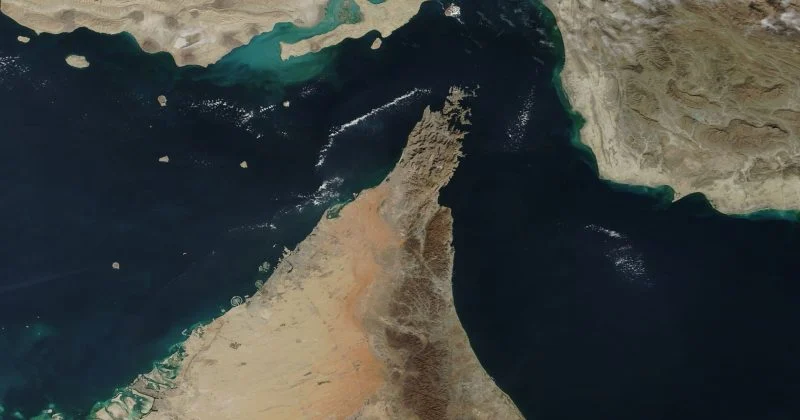
Iran has reportedly halted ships transiting the Strait of Hormuz, pushing oil prices higher and introducing new uncertainty across global markets. The narrow waterway between Iran and Oman serves as the world's most critical oil transit corridor, and any disruption there has historically reverberated through crude benchmarks and risk assets alike, including cryptocurrencies.
Strategic Significance of the Strait of Hormuz
Approximately 20% of global oil consumption passes through the Strait of Hormuz each day. The passage measures roughly 21 miles at its narrowest point, serving as the primary route for tankers carrying crude from Saudi Arabia, Iraq, Kuwait, and the United Arab Emirates. It is also a critical artery for liquefied natural gas, with Qatar — one of the world's largest LNG exporters — routing nearly all of its shipments through the strait, meaning disruptions can ripple through both oil and gas markets.
Historically, even the suggestion of a disruption in this corridor has been sufficient to drive up Brent and WTI crude prices. Previous incidents involving Iranian seizures of commercial tankers or confrontations with naval vessels have consistently triggered sharp, though sometimes short-lived, increases in oil benchmarks. The United States maintains a naval presence in the region through its Fifth Fleet, headquartered in Bahrain, which has at times escorted commercial shipping through the strait during periods of heightened tension.
Key Variables for Crypto Markets
The first factor to monitor is the duration of any disruption. A brief confrontation that resolves within hours or days typically produces a spike-and-fade pattern in oil prices, with limited lasting impact on crypto. A sustained blockade or military escalation, however, could reshape macroeconomic conditions for weeks or months.
Second, inflation expectations warrant close attention. Bond markets tend to price in higher inflation before broader market sentiment shifts. If breakeven inflation rates begin climbing in response to the situation, it would signal that market participants expect energy disruptions to persist long enough to become economically meaningful. This dynamic is particularly relevant given that major central banks, including the Federal Reserve, remain in active rate-decision cycles, and a renewed energy-driven inflation impulse could complicate the path toward monetary easing.
Third, the relative performance of Bitcoin versus gold bears watching. During genuine geopolitical risk-off events, gold has historically outperformed Bitcoin in the short term. A significant widening of that gap would suggest institutional capital is favoring traditional safe havens over digital assets. Bitcoin has at times traded in correlation with high-beta technology equities during periods of stress, which can amplify downward pressure when broad risk appetite contracts.

