Fire Aboard Indonesian Passenger Ferry Kills at Least Five, Dozens Missing
Key Takeaways
- •The ferry Mutiara Sentosa 2 was carrying 232 passengers, 39 crew members, and 181 vehicles when the fire broke out between 6 a.m. and 7 a.m. on August 3, 2026.
- •Rescue operations involving multiple vessels and the Indonesian Navy saved 227 people, recovered five bodies, and left at least 39 individuals still missing by Sunday evening.
- •A survivor reported that the fire appeared to originate from a truck on the lower vehicle deck and spread rapidly within 30 minutes due to strong winds.
- •The vessel was built in Japan in 1992 and sold to Indonesia in 2015, reflecting the common practice of Indonesia acquiring secondhand ferries for domestic routes.
- •Indonesia's National Transportation Safety Committee has repeatedly identified overloaded vehicle decks, inadequate fire suppression systems, and insufficient emergency drills as recurring factors in ferry accidents.
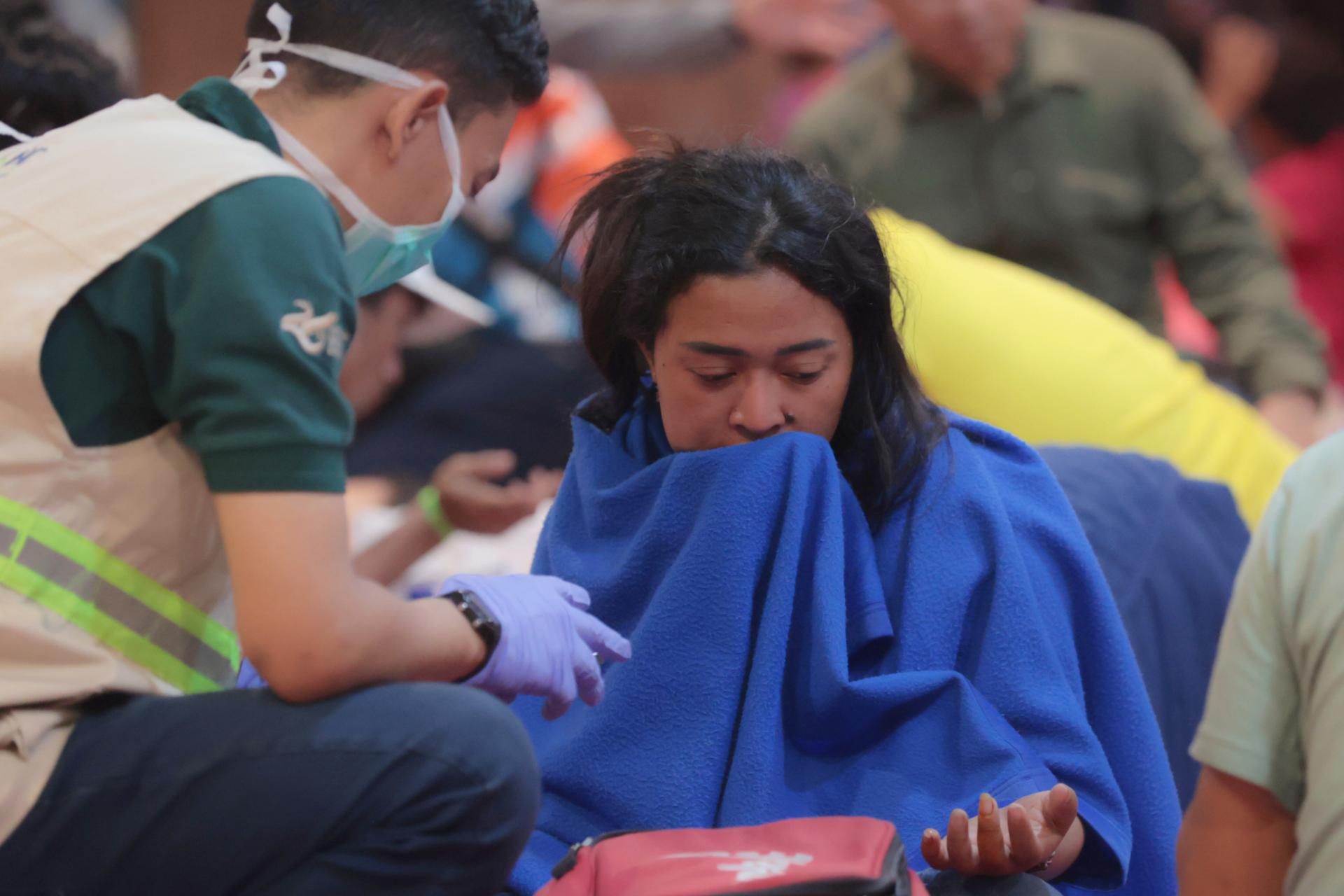
An Indonesian ferry carrying 271 people caught fire in waters off Java on Sunday, August 3, 2026, leaving at least five people dead and dozens more missing, according to Indonesia's National Search and Rescue Agency (Basarnas).
The vessel, Mutiara Sentosa 2, was en route from Surabaya — Indonesia's second-largest city in East Java — to Makassar in South Sulawesi. It was carrying 232 passengers, 39 crew members, and 181 vehicles, mostly trucks along with an excavator. The fire broke out between 6 a.m. and 7 a.m. in waters off Sumenep regency.
The ferry operator, PT Atosim Lampung Pelayaran, reported the incident to the Surabaya search and rescue office approximately one hour later. According to a Basarnas statement, the company received information from the ferry's captain that the vessel was on fire near the northern tip of Madura island, but contact was subsequently lost.
By 9:45 a.m., authorities located the ferry roughly 19 nautical miles north of Buruan Sapudi island after communicating with the nearby cargo vessel Meratus Project 3. That ship was unable to approach the burning ferry closely because it was transporting a flammable cargo.
Footage released by the National Search and Rescue Agency showed thick black smoke billowing from one side of the ferry and spreading across much of the ship. Videos circulating on social media and messaging groups depicted terrified passengers, most wearing life jackets, clustered on the deck and upper sections of the vessel awaiting rescue. Some passengers were seen jumping into the sea as orange flames and black smoke engulfed the burning ship.
The ferry was reported to be nearly consumed by flames, with passengers gathered on the bridge and bow. A tugboat and another passing vessel moved in and began evacuating passengers shortly before 10 a.m., according to the Basarnas statement.
By Sunday evening, several nearby vessels had managed to rescue 227 passengers and crew members and recovered five bodies. At least 39 people remained unaccounted for.
The cause of the fire was not immediately known and remained under investigation.
Ahmad Abdul Karim, one of the survivors, said the fire appeared to have started from a truck on the lower vehicle deck.
"Someone came up from the lower deck and told us there was a fire. When we went down to check, two vehicles were already burning," Karim said. "Fanned by the wind, the flames spread extremely quickly. In less than 30 minutes, everyone had been instructed to move to the bow of the ferry."
Search and rescue teams dispatched a rescue vessel from Surabaya, though officials estimated it would take approximately six hours to reach the scene. A rigid inflatable boat from the Sumenep rescue post was sent toward the location but later returned to shore due to rough seas and high waves. The Indonesian Navy also deployed a warship to assist in the operation.
The ferry measures 160 meters (525 feet) in length and 25 meters (82 feet) in width. It was built in Japan in 1992 and originally operated the Osaka-Shinmoji route as the "Ferry Osaka" before being sold to Indonesia in 2015. At over three decades old, the vessel reflects a common practice in Indonesian domestic shipping of acquiring secondhand ferries from Japan and other countries. It currently serves the Surabaya-Makassar route, a voyage that typically takes around 40 hours and is primarily used by domestic travelers and cargo transport between Java and Sulawesi.
Indonesia is an archipelago of more than 17,000 islands where ferries are a common mode of transportation. Maritime disasters occur regularly, with weak safety enforcement frequently cited as a contributing factor. Among the deadliest in recent decades was the 2009 sinking of the Dumai Express 10, which caught fire and killed at least 29 people, and the 2018 sinking of the MV Sinar Bangun in Lake Toba, which claimed over 160 lives. Indonesia's National Transportation Safety Committee (KNKT) typically leads investigations into major maritime incidents, and its findings have repeatedly highlighted issues such as overloaded vehicle decks, inadequate fire suppression systems, and insufficient emergency drills as recurring factors in ferry accidents.

