IMF Unlocks $138 Million for El Salvador Under Waivers Tied to Bitcoin Accumulation
Key Takeaways
- •The IMF approved a disbursement of approximately $138 million to El Salvador as part of a funding arrangement involving formal waivers.
- •The waivers enabling the release were explicitly connected to El Salvador's practice of accumulating Bitcoin as a public asset.
- •El Salvador became the first country to adopt Bitcoin as legal tender in 2021 under President Nayib Bukele and has periodically added Bitcoin to its national holdings since then.
- •The exact terms of the waivers, including whether they restrict or modify future Bitcoin purchases, have not been confirmed, and the precise program tranche and disbursement date remain unverified.
- •The decision places Bitcoin accumulation within the framework of sovereign lending conditions, a development that other countries observing El Salvador's experiment will likely note.
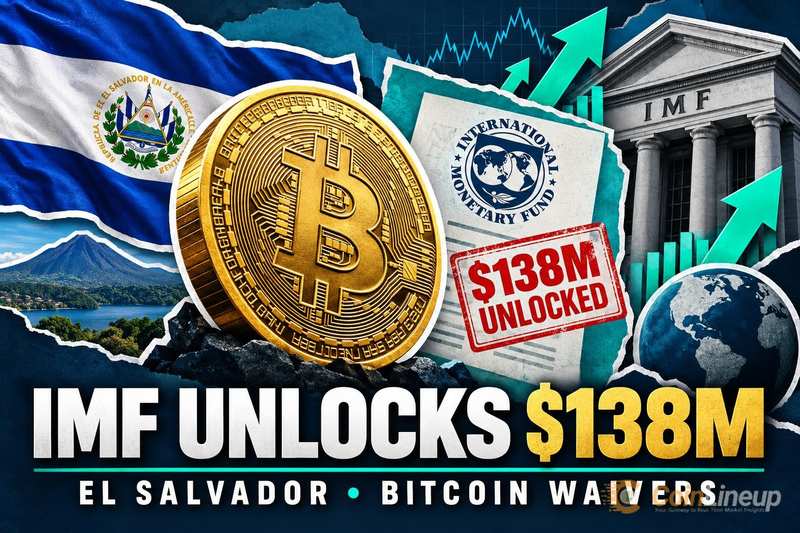
The International Monetary Fund (IMF) has unlocked approximately $138 million for El Salvador, with the disbursement tied to waivers connected to the country's Bitcoin accumulation policy. The release marks a notable moment in the ongoing relationship between El Salvador's government and international lenders over the country's practice of holding Bitcoin as a public asset.
IMF Unlocks About $138 Million for El Salvador
The IMF agreed to release roughly $138 million to El Salvador as part of a funding arrangement that included specific waivers. The qualifier "about" reflects the precision of available reporting; the exact program tranche and disbursement date have not been independently confirmed at the time of writing.
The $138 million is a meaningful sum for El Salvador, a small Central American economy with a population of roughly 6 million people. It represents a direct injection of international financing at a time when the country's Bitcoin strategy remained under scrutiny from multilateral lenders.
El Salvador made history in 2021 as the first country to adopt Bitcoin as legal tender, a change that took effect that September under President Nayib Bukele's administration. The government has periodically added Bitcoin to its national holdings since then, making the country a prominent testing ground for national-level Bitcoin adoption. That practice attracted ongoing concern from institutions such as the IMF, which cited fiscal risk and transparency as key issues before the two sides reached financing agreement.
Waivers Were Tied to Bitcoin Accumulation
The IMF's decision included waivers that were explicitly tied to El Salvador's Bitcoin accumulation. The fund thereby formally acknowledged conditions related to the country's Bitcoin holdings as part of approving the disbursement, placing the issue inside a structured lending relationship rather than leaving it as a political disagreement. IMF lending is normally governed by conditionality — the policy commitments a member country agrees to in exchange for financing — and waivers are the mechanism that allows the fund to proceed when specific conditions are not fully met.
The specific terms of those waivers remain unclear from available reporting. It is not confirmed whether they required El Salvador to limit, pause, or otherwise modify its Bitcoin accumulation, or whether they addressed a different dimension of the policy. Treating any specific mechanics as confirmed would go beyond what the evidence currently supports.
What the waiver process does establish is that the fund found a way to move forward with financing despite unresolved concerns, a step that requires formal acknowledgment of the conditions in question. That is the confirmed development here — not a resolution of the underlying policy debate.
Why the Decision Matters for El Salvador's Bitcoin Strategy
The key takeaway is that a major international lender acknowledged El Salvador's Bitcoin holdings as a substantive policy factor rather than a symbolic gesture, and still moved forward with financing. That signals the two sides found enough common ground to proceed, even if the full details of what each agreed to remain unclear.
The decision also places Bitcoin accumulation inside the framework of sovereign lending conditions — a development other countries watching El Salvador's experiment will likely note.
Institutional Bitcoin accumulation has become a broader trend. Asset managers such as BlackRock have built significant Bitcoin positions, and El Salvador's situation adds a government-level example to the picture. Corporate treasuries have similarly leaned on large Bitcoin holdings in financial negotiations: mining firms such as Hut 8 have unlocked hundreds of millions of dollars in Bitcoin value to refinance debt, illustrating how Bitcoin is increasingly treated as real collateral in financial arrangements, whether the counterparty is a commercial lender or an international institution.
Further reporting on the specific waiver terms, the program name, and the full disbursement timeline would be needed before drawing firmer conclusions about what El Salvador agreed to, or whether its Bitcoin accumulation strategy will change as a result. The confirmed fact is that about $138 million has moved, and the waivers that enabled the release were connected to Bitcoin.
Disclaimer: This article is for informational purposes only and does not constitute financial or investment advice. Cryptocurrency and digital asset markets carry significant risk. Always consult a qualified financial professional before making investment decisions.

