10th Ieodo International Seminar to Address Maritime Security Threats and Cooperation in East Asia
Key Takeaways
- •The 10th Ieodo International Seminar runs September 10-12 in Jeju City, co-hosted by the Society of Ieodo Research and The Korea Times.
- •The seminar's opening keynote will be delivered by Chung Kee-yong, special representative for the Antarctic Treaty Consultative Meeting at the Ministry of Foreign Affairs.
- •Discussions will focus on gray-zone threats, where coercive measures below armed conflict—such as coast guard and maritime militia operations—complicate deterrence and legal responses.
- •Experts from Korea, Japan, Taiwan, and the Philippines are participating, reflecting shared maritime disputes and gray-zone pressures in the East and South China seas.
- •Ieodo (Socotra Rock), a submerged reef within overlapping Korea-China exclusive economic zones, remains undelimited despite consultations in the 2000s, making it a recurring point of friction.
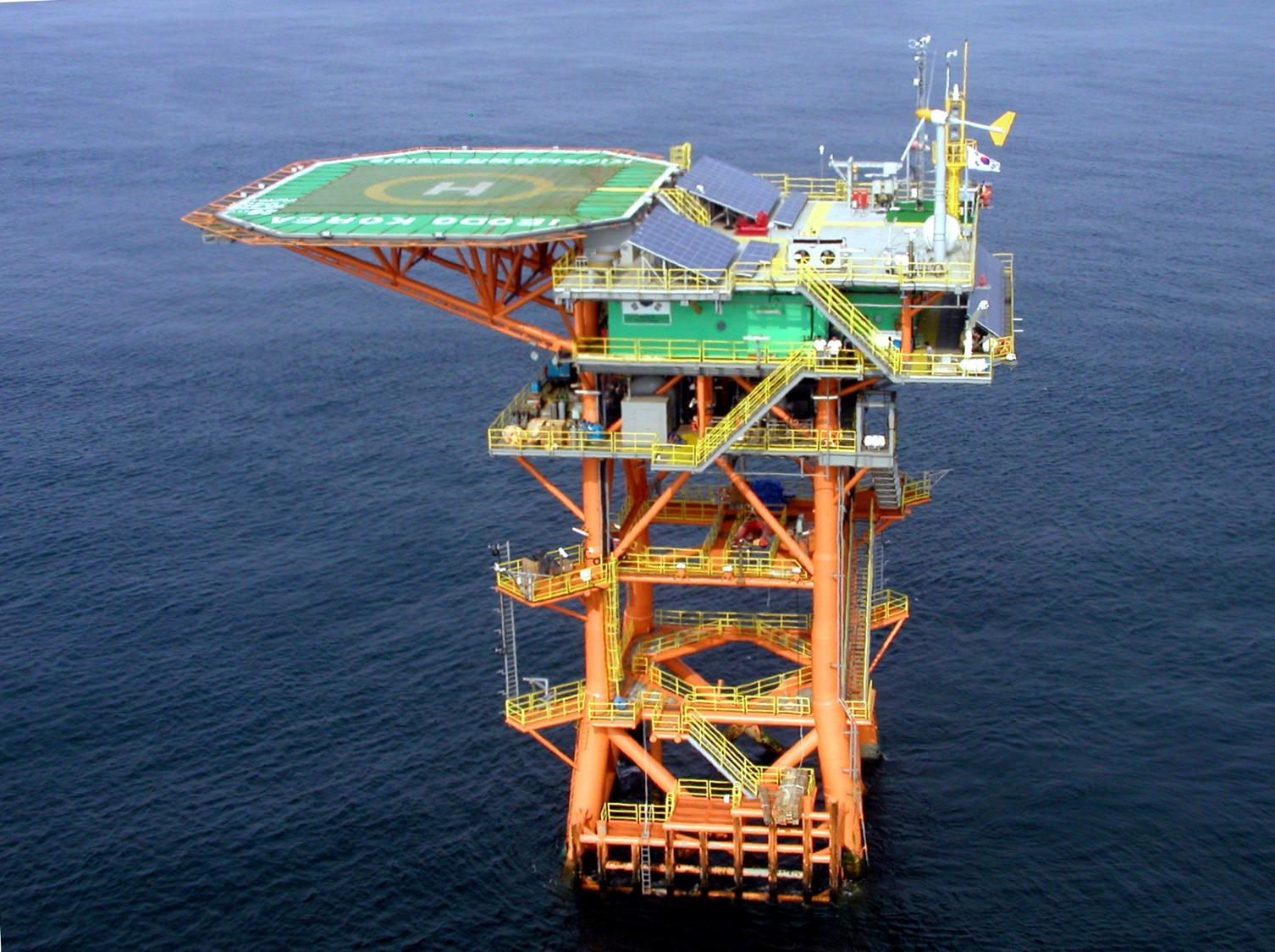
The 10th Ieodo International Seminar will convene experts in maritime security and international law on Jeju Island from Sept. 10 to 12 to discuss escalating security threats and avenues for cooperation in East Asia.
The three-day seminar in Jeju City is jointly hosted by the Society of Ieodo Research, a Jeju-based think tank, and The Korea Times, under the theme "Maritime Security Cooperation Strategies among East Asian Countries: Responding to Intensifying Maritime Security Threats."
This year's program will examine emerging maritime security challenges in East Asia and explore ways to strengthen regional cooperation and develop effective responses grounded in international law.
The opening session will feature a keynote address by Chung Kee-yong, special representative for the Antarctic Treaty Consultative Meeting at the Ministry of Foreign Affairs. The session will address gray-zone threats and maritime security responses in East Asia, with particular focus on the growing use of coercive measures below the threshold of armed conflict and their implications for regional maritime security. The concept has drawn growing attention in the region as coast guards, maritime militia and law-enforcement vessels are increasingly used to assert claims in disputed waters in ways that fall short of open armed conflict, complicating conventional deterrence and legal responses.
Participants will include experts from Korea, Japan, Taiwan and the Philippines, among them Neil Silva, a professor at the University of the Philippines; Ming-Shih Shen, a researcher at Taiwan's Institute for National Defense and Security Research; and Kenji Shimoyama, a professor at the Japan Coast Guard Academy. The participation of experts from Japan, Taiwan and the Philippines reflects the seminar's focus on regional cooperation, as these countries face their own maritime disputes and gray-zone pressures in nearby waters, including the East and South China seas.
Korean participants include former Minister of Oceans and Fisheries Kim Sung-jin and former Ambassador to Spain Park Hee-kwon.
"As the maritime security environment in East Asia is rapidly changing, the importance of cooperation among countries and responses based on international law is growing," the institution said.
"We hope the seminar will serve as a forum to assess key maritime security issues in East Asia and explore practical ways to promote peace and cooperation."
Ieodo, internationally known as Socotra Rock, is a submerged reef located about 149 kilometers south of Mara Island, Korea's southernmost island. It lies within the overlapping exclusive economic zones of Korea and China. Korea has maintained the Ieodo Ocean Research Station, a scientific research platform on the reef, since 2003, while China has long asserted rights over the area, and the two countries held a series of consultations on maritime delimitation in the 2000s without reaching a boundary agreement. The seminar's focus on law-based responses speaks to this unresolved status, which has made Ieodo a recurring point of friction in Korea-China maritime relations.
