UK Households Face £2,400 Income Loss From Iran War by 2027, CEBR Estimates
Key Takeaways
- •The CEBR projects UK households will lose an average of £2,400 in real disposable income by the end of 2027, totalling £70.4 billion nationwide.
- •The closure of the Strait of Hormuz following US-Israeli strikes on Iran in late February 2026 drove diesel prices up 35% and petrol up 19%.
- •NIESR has downgraded its 2026 UK growth forecast by 0.5 percentage points to 0.9%, attributing the cut directly to the conflict.
- •The Bank of England estimates an additional 1.3 million households will face higher mortgage payments by the end of 2028 as fixed-rate deals expire.
- •The conflict is expected to cost the UK Treasury around £8 billion annually through higher debt interest payments and reduced tax receipts.
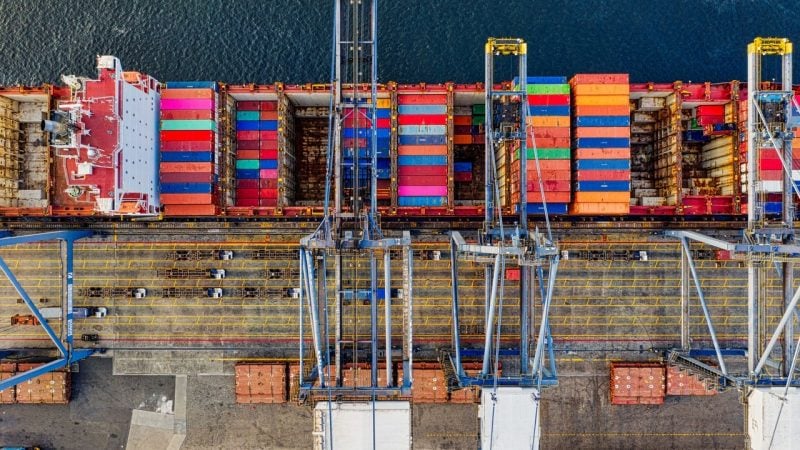
UK households are set to lose an average of £2,400 in real disposable income by the end of 2027, according to new analysis from the Centre for Economics and Business Research (CEBR). The projection points to the cascading economic fallout of the Iran war, which has driven energy prices sharply higher while wage growth has stalled.
The CEBR's projections, published in late August 2026, break the loss down into roughly £1,100 per household this year and a further £1,300 expected to disappear from family budgets in 2027. Aggregated across all UK households, the total damage is estimated at £70.4 billion in lost income. That scale of loss would compound the pressure on living standards that UK households have experienced since the 2022 energy crisis, when surging wholesale gas prices following Russia's invasion of Ukraine drove inflation to multi-decade highs.
Strait of Hormuz closure drives the shock
The economic strain traces directly to the escalation of US-Israeli strikes on Iran in late February 2026, which triggered the closure of the Strait of Hormuz. Roughly one-fifth of the world's oil passes through the narrow waterway on any given day, and about a fifth of globally traded liquefied natural gas — much of it from Qatar — also flows through it, making the chokepoint critical to both oil and gas markets even for countries, like the UK, that import relatively little oil directly from the Gulf region.
The consequences were immediate and severe. Diesel prices surged 35% in the weeks following the escalation of the conflict, while petrol rose 19%. Those increases extended well beyond the pump, rippling into food prices, transport costs, and virtually every sector that depends on moving physical goods — a dynamic familiar from the 2022 inflation episode, when energy and fuel costs became a major driver of UK consumer price growth.
Growth forecasts downgraded, mortgage pain ahead
The National Institute of Economic and Social Research (NIESR) has downgraded its UK growth forecast for 2026 to 0.9%, a reduction of 0.5 percentage points attributed directly to the conflict. Slower growth compounds an already weak backdrop for the UK economy, which has struggled to sustain momentum in recent years.
Bank of England estimates add another dimension to the squeeze. An additional 1.3 million households are expected to face higher mortgage payments by the end of 2028 as fixed-rate deals expire and homeowners roll onto higher rates. The UK's high share of fixed-rate mortgages, typically fixed for two or five years, means rate and price shocks feed through to household budgets with a delay rather than immediately.
Public finances are also under pressure. The conflict is estimated to cost the Treasury roughly £8 billion annually through a combination of higher debt interest payments and reduced tax receipts — pressure that narrows the government's fiscal headroom as it balances support for households against its own budget rules.
