IAEA to Remove Nuclear Material From Syrian Site After US-Brokered Deal With Israel
Key Takeaways
- •The IAEA is preparing to physically remove nuclear material from Al Kibar, a covert Syrian site destroyed by an Israeli airstrike in September 2007.
- •Western intelligence agencies assessed that the destroyed facility was a clandestine nuclear reactor constructed with North Korean assistance, a conclusion the IAEA shared in 2011.
- •The fall of the Assad government in December 2024 paved the way for a June 2025 agreement granting the IAEA access to four critical sites, including Al Kibar.
- •Environmental sampling conducted between 2024 and 2025 confirmed the presence of anthropogenic natural uranium particles linked to the Al Kibar reactor.
- •The United States brokered the arrangement between the IAEA and Israel, reflecting Washington's longstanding involvement in regional nonproliferation efforts.
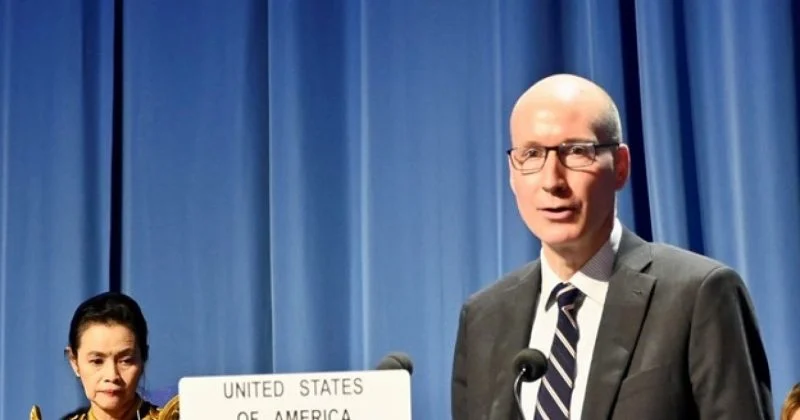
The International Atomic Energy Agency is preparing to remove nuclear material from a covert site in Syria, following a deal brokered by the United States between the agency and Israel. The site is Al Kibar, an area in eastern Syria that has been at the center of international nonproliferation concerns for nearly two decades.
A reactor, an airstrike, and years of denial
Al Kibar first drew global attention in September 2007, when Israeli jets destroyed what Western intelligence agencies assessed was a clandestine nuclear reactor. The facility was believed to have been built with North Korean assistance, making it one of the most documented cases of Pyongyang's nuclear cooperation with a Middle Eastern state.
When inspectors first visited the bombed-out site in June 2008, they found uranium particles consistent with nuclear fuel processing. That finding directly contradicted Damascus's insistence that the facility had nothing to do with a weapons program. In 2011, the agency concluded that the destroyed building was very likely a nuclear reactor, leading to a referral to the UN Security Council. Syria, a state party to the Nuclear Non-Proliferation Treaty since 1969, was obligated under its safeguards agreement to declare all nuclear material and facilities.
Regime change opens the door
The fall of the Assad government in December 2024 changed the political landscape. That shift culminated in a June 2025 meeting between IAEA Director General Rafael Grossi and Syria's transitional President Ahmed al-Sharaa. The two reached an agreement granting the agency access to four critical sites, including Al Kibar, to investigate Syria's past nuclear activities. US involvement in brokering the arrangement reflects Washington's longstanding role in regional nonproliferation efforts, an area of continued focus given Iran's nuclear program and broader proliferation risks across the Middle East.
Environmental sampling conducted between 2024 and 2025 found significant numbers of anthropogenic natural uranium particles at locations linked to the Al Kibar reactor, reinforcing what intelligence agencies had long suspected about the scope of Syria's nuclear ambitions.
What comes next for Syria's nuclear file
The IAEA has said further verification work at Al Kibar is planned as soon as conditions allow, with the broader goal of resolving the safeguards file at the Board of Governors level, as stated in June 2026. The physical removal of nuclear material represents a concrete step beyond monitoring, ensuring that any remaining material at the site cannot be accessed or repurposed. Closing that file would require Syria to provide a complete accounting of its past nuclear activities, something no Syrian government has ever done.

