Hyundai Motor Union Reaches Tentative Wage Deal, Averting Further Strikes
Key Takeaways
- •The tentative deal gives workers a base salary increase of 100,000 won ($72.31) per month plus a performance bonus worth 400 percent of base pay and additional cash and bonus payments.
- •The retirement age would rise above the current 60 only after South Korean law is amended, with no salary reduction during the first few years after age 60.
- •Hyundai will hire 500 new technical workers from next year through 2028 under the agreement.
- •On AI and automation, the two sides committed only to discussing employment matters when rolling out new businesses, falling short of the union's demand for guaranteed job protections.
- •The agreement does not take effect until union members approve it in a ratification vote.
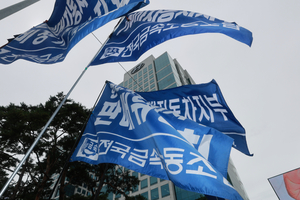
Hyundai Motor's South Korean union said on Tuesday that it has reached a tentative wage agreement with management, averting further production losses after staging on Friday its first full strike in a decade, following a series of partial stoppages.
Under the tentative deal, workers will receive a base salary increase of 100,000 won ($72.31) per month, along with a performance bonus equivalent to 400 percent of base pay and additional payouts in cash and bonuses.
The agreement also provides for the retirement age to be extended from the current 60 once a relevant law is amended, with no salary reduction during the first few years after age 60, the union said. The legislative step matters because South Korean law currently sets the retirement age at 60, so any extension depends on lawmakers rather than on the company alone. In addition, 500 new technical workers will be hired from next year through 2028.
The negotiations had been shaped by union demands for higher bonuses, a higher retirement age, and job protections against artificial intelligence and automation. The union had called on the company to set aside 30 percent of net income for bonuses and to guarantee job security, amid concerns over the growing adoption of robotics and AI on assembly lines. On the question of AI-related job security, the two sides agreed to discuss employment matters when rolling out new businesses, according to the agreement seen by Reuters, language that stops short of the guaranteed protections the union had sought and leaves the balance between automation and employment to future talks.
Hyundai, South Korea's largest automaker, did not immediately respond to a Reuters request for comment outside regular business hours.
Hyundai, which acquired a controlling stake in humanoid robot maker Boston Dynamics in 2021, has said it plans to deploy humanoid robots at its US plant in Georgia from 2028, with the aim of expanding their use across its production sites. That timeline gives the consultative language in the wage deal a concrete backdrop. Annual wage talks with Hyundai's union, one of the largest and most influential in South Korea's auto industry, have frequently involved work stoppages, and the stakes of a breakdown are high: Hyundai's domestic plants, including the vast Ulsan complex that ranks among the world's largest car factories, supply both the home market and exports. The tentative agreement still requires ratification by union members in a vote before it takes effect, so this year's dispute is not formally settled until workers approve the deal. (Reuters)

