Tropical Storm Karina Strengthens Into Hurricane in Pacific, Could Become Major Storm This Week
Key Takeaways
- •Karina strengthened into a Category 1 hurricane with maximum sustained winds of 80 mph over the Pacific on Sunday.
- •The storm was about 820 miles southwest of Baja California and is forecast to stay away from land while possibly becoming a major hurricane this week.
- •Swells from Karina could produce dangerous surf and rip current conditions along southwest Mexico and the Baja California Peninsula.
- •Tropical Storm Lowell was located 1,150 miles southeast of Hawaii and posed no threat to land.
- •NOAA forecast a below-average Atlantic hurricane season due to El Nino, predicting eight to 14 named storms.
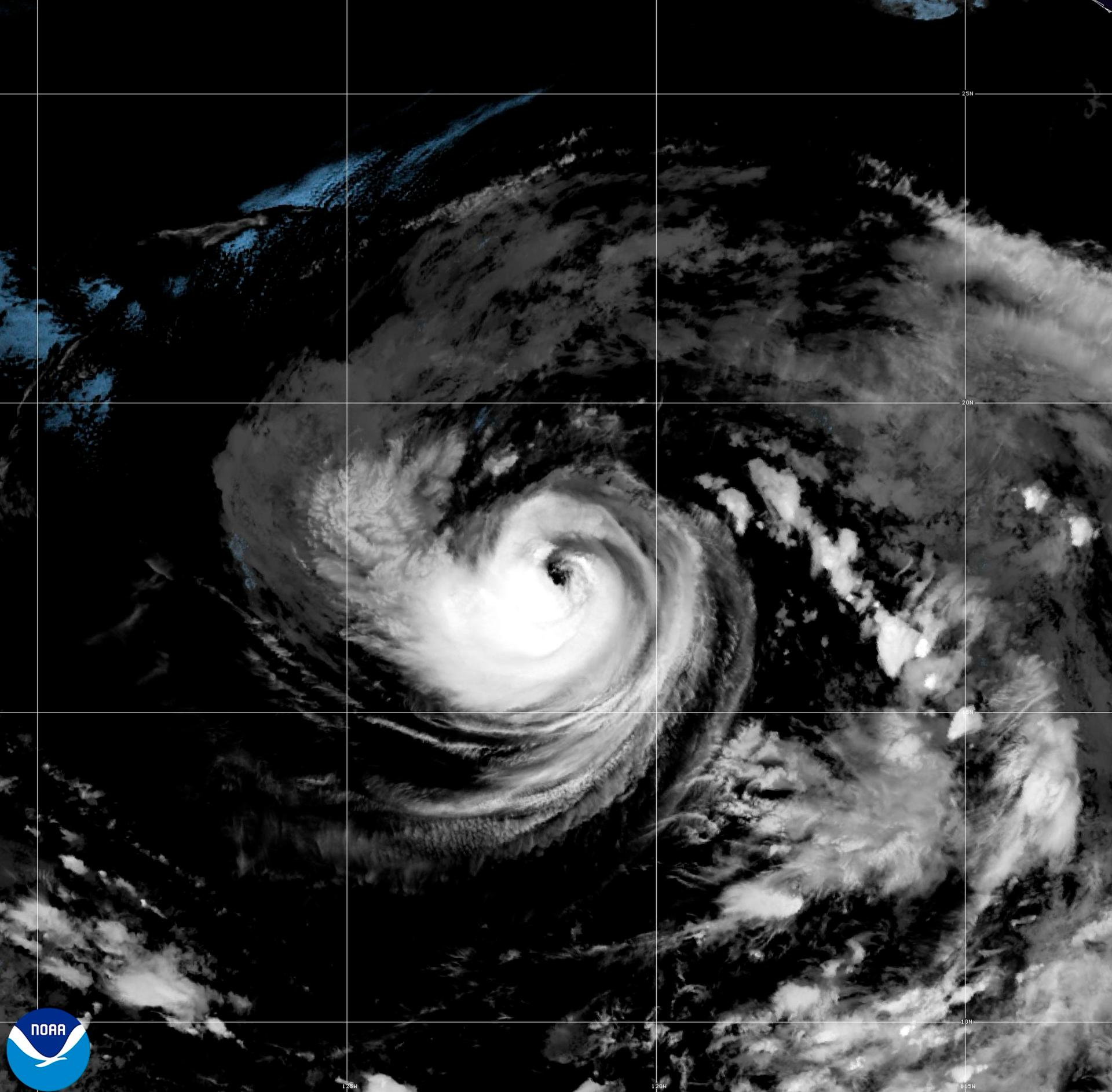
MIAMI — Tropical Storm Karina strengthened into a hurricane over the Pacific Ocean on Sunday and could develop into a major storm this week, forecasters said, although the cyclone's center remained far out at sea and posed no threat to land.
Karina carried maximum sustained winds of 80 miles per hour (130 kilometers per hour), making it a Category 1 hurricane on the Saffir-Simpson scale, which rates storms from Category 1 to Category 5 based on wind speed, according to the Miami-based National Hurricane Center. A major hurricane is defined as Category 3 or greater.
The storm was located about 820 miles southwest of the southern tip of Mexico's Baja California Peninsula and was moving northwest at 15 miles per hour on a forecast track farther out into the Pacific.
While Karina was expected to remain well away from land, swells generated by the storm were likely to produce dangerous surf and rip current conditions along parts of southwest Mexico and the Baja California Peninsula, the hurricane center said. Rip currents can pose hazards to swimmers hundreds of miles from a storm's center, which is why forecasters issue advisories even for systems that never make landfall.
Elsewhere in the Pacific, Tropical Storm Lowell was located 1,150 miles southeast of Hawaii and likewise posed no threat to land.
Looking ahead to the Atlantic season, the National Oceanic and Atmospheric Administration has forecast a below-average hurricane season due to El Nino. El Nino, a periodic warming of the central and eastern tropical Pacific, tends to increase wind shear over the Atlantic that can suppress hurricane formation there, while conditions in the eastern Pacific are generally more favorable for storm development during such years. The agency predicted eight to 14 named storms, with three to six reaching hurricane strength and one to three intensifying into major hurricanes.
