How to Buy Bitcoin in 2026: Five Platforms Compared for Beginners
Key Takeaways
- •The comparison covers five platforms—Paybis, Cash App, Strike, River, and Bitpanda—with published fees ranging from 0% on certain order types to 2.0% on the smallest orders.
- •Cash App charges a 2.0% fee on orders from $1 to $499 and 0% on orders of $2,000 or more, with a spread of up to 0.75% that may apply to market purchases.
- •Strike supports purchases from $1 to $2.5 million with fees as low as 0.49%, while River charges 1.00% on one-time orders up to $1 million and 0% on direct deposits and recurring purchases.
- •On Strike and River, recurring-purchase fee waivers begin only after the first week, so the rate charged on an initial order differs from the rate applied to later ones.
- •Bitpanda, an Austria-based broker regulated in Europe, does not publish fee figures, minimum purchase amounts, or supported countries on its Bitcoin page.
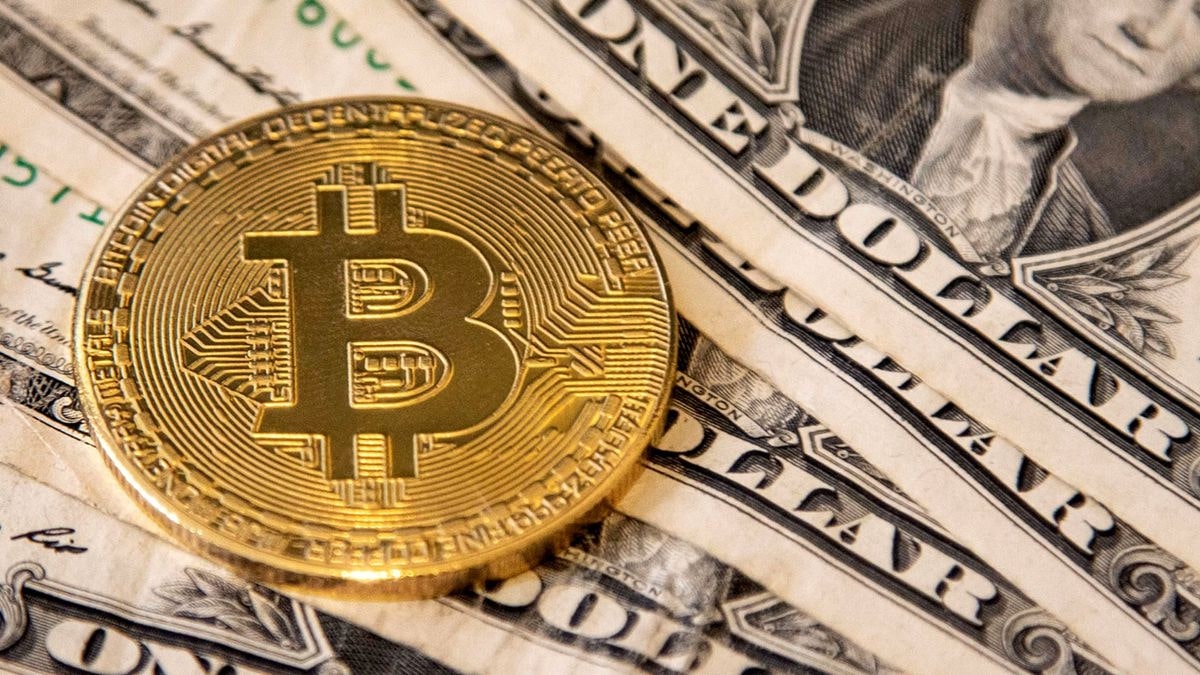
A first Bitcoin purchase can be straightforward when a few key choices are made in advance. Begin by deciding how much effort you want to spend and what you plan to do with the coins. Rather than committing a large amount immediately, beginners can use a small first order to learn the process with less money at stake. The differences between platforms are concrete: among the five compared below, published fees range from 0% on certain order types to 2.0% on the smallest orders, and availability differs from one platform and country to the next.
What to Compare Before Buying
Ease of use. Look for a clear sign-up process and a straightforward checkout screen. Beginner-friendly platforms show the Bitcoin price, the fee and the amount of Bitcoin you will receive before you confirm the transaction. Customer support can also matter if something goes wrong.
Payment options. Choose a platform that supports a payment method you already use. Bank transfers generally cost less, while cards and digital wallets are usually faster. A platform that accepts several payment methods provides a fallback if one option fails.
Fees. Costs can include a percentage fee, a spread built into the quoted price, or both. Network fees may apply when you withdraw Bitcoin to a wallet you control. Beginners can overlook the spread when focusing only on the advertised fee, so review the final quote before confirming a purchase. Disclosure varies as well: several platforms in this comparison publish percentage fees by order size, while Bitpanda's page does not list a fee figure at all.
Speed. Instant payment methods generally deliver Bitcoin to an account within minutes, while bank transfers can take days. Sending Bitcoin to your own wallet depends on the network; the first confirmation arrives in about 10 minutes on average. This overview of how Bitcoin mining works explains the background.
It is also important to decide whether to keep Bitcoin on the purchasing platform or transfer it to a wallet you control. Keeping coins on the platform keeps the arrangement simple, while a wallet you control puts responsibility for safeguarding access — and any network fee on the withdrawal — in your hands. This guide to Bitcoin economics and network security provides additional background. Before opening an account, confirm that the service operates in your country and check which identity-verification requirements, commonly known as KYC checks, apply.
Five Bitcoin Buying Platforms
1. Paybis
Paybis supports several payment methods, including cards, PayPal and bank transfers. The platform serves customers in 180+ countries and lists 90+ cryptocurrencies. Beginners who already use PayPal can buy Bitcoin with PayPal through Paybis. The Paybis homepage provides information about its other options.
2. Cash App
Cash App offers Bitcoin purchases within its money app, with a minimum purchase of $1. Fees are tiered by order size. Cash App lists a 2.0% fee for orders from $1 to $499 and a 0% fee for orders of $2,000 or more. A spread of up to 0.75% may also apply to market purchases, and it appears on the confirmation screen.
Auto Invest, which purchases Bitcoin on a schedule, carries no fee. Standard withdrawals are completed in 24 hours or less. The Bitcoin page refers to US states and territories and says that Bitcoin services are not licensable in all of them, so customers should check eligibility first.
3. Strike
Strike is an app focused on Bitcoin. Purchases can be funded through a linked bank account or a wire transfer, and debit card purchases are also available. A single purchase can range from $1 to $2.5 million.
Strike says its fees are as low as 0.49% and decrease as purchase volume rises. Users can schedule recurring purchases to spread their buying over time. For personal accounts, Strike waives recurring-purchase fees after the first week. App availability and some features depend on the user’s jurisdiction.
4. River
River is another platform focused on Bitcoin. Its fee page lists a 1.00% charge on one-time orders of up to $1 million. Direct deposits and recurring purchases are listed at 0%.
For recurring purchases, the fee waiver begins seven days after the first order, while that initial order carries the standard fee. River lists a minimum fee of $0.01, and a price spread may also apply. Its fee page does not specify which payment methods or countries are supported, so prospective users should check the River website before signing up.
5. Bitpanda
Bitpanda describes itself as an Austria-based broker regulated in Europe. Its Bitcoin page lists numerous payment options, including bank transfers and cards, as well as PayPal and Klarna.
The page does not publish a fee figure or minimum purchase amount. Users should therefore review the quote before confirming a transaction. The page also does not list supported countries, so eligibility should be checked before an account is created.
Comparing Fees, Payments and Availability
Fees and availability can change frequently, so the comparison should be treated as a starting point. Read each platform’s current terms before using it. One detail to watch at signup: on Strike and River, the recurring-purchase fee waiver starts only after the first week, so the rate charged on a first order is not the rate that applies to later ones.
Payment options are an important first comparison because they show whether you can begin with a method you already trust. Fees should then be compared at the order size you normally expect to use. Tiered fees can produce substantially different percentages for a $50 purchase and a $5,000 purchase on the same platform. Finally, check availability, since a platform that does not serve your country cannot be used there.
Conclusion
The most suitable option depends on how you want to pay and how often you plan to buy. Some platforms are designed for a single purchase, while others offer features that may be useful for regular buying.
Recurring purchases spread transactions over time and remove the need to choose one entry price — an approach commonly known as dollar-cost averaging. For a first order, consider starting with a small amount, reviewing the final quote and checking how long the payment will take to clear. You can then decide whether to leave the Bitcoin on the platform or transfer it to a wallet you control. If you use a wallet, double-check the address before sending funds.
Keep records of each purchase, including dates, amounts and fees, because this information may be needed for future tax reporting. Tax rules differ by country, so consult local guidance. Also confirm that the platform operates in your country and review its verification requirements before depositing funds.
Source: CryptoNinjas

