Hospitals Brace for More Medicaid Cuts Under Trump Administration Rules
Key Takeaways
- •Two proposed CMS rules would cost hospitals hundreds of billions of dollars beyond the roughly $1 trillion in Medicaid cuts already set in motion by the One Big Beautiful Bill Act.
- •The proposed rules target state provider taxes and directed Medicaid payments, which hospitals argue go further than Congress intended; hospitals estimate losing $681 billion more than expected through 2035.
- •If finalized, the rules would produce an estimated $756 billion in federal savings and $265 billion in state savings through 2035, according to the reporting.
- •Some hospital systems are already responding, with Providence cutting staff and supply contracts against a projected $1.3 billion budget gap and Golden Valley Memorial in rural Missouri halving its maternal beds.
- •The rules must still pass through the federal rulemaking process with a public comment period, and rural hospitals, which rely more heavily on Medicaid and Medicare revenue, are seen as particularly exposed.
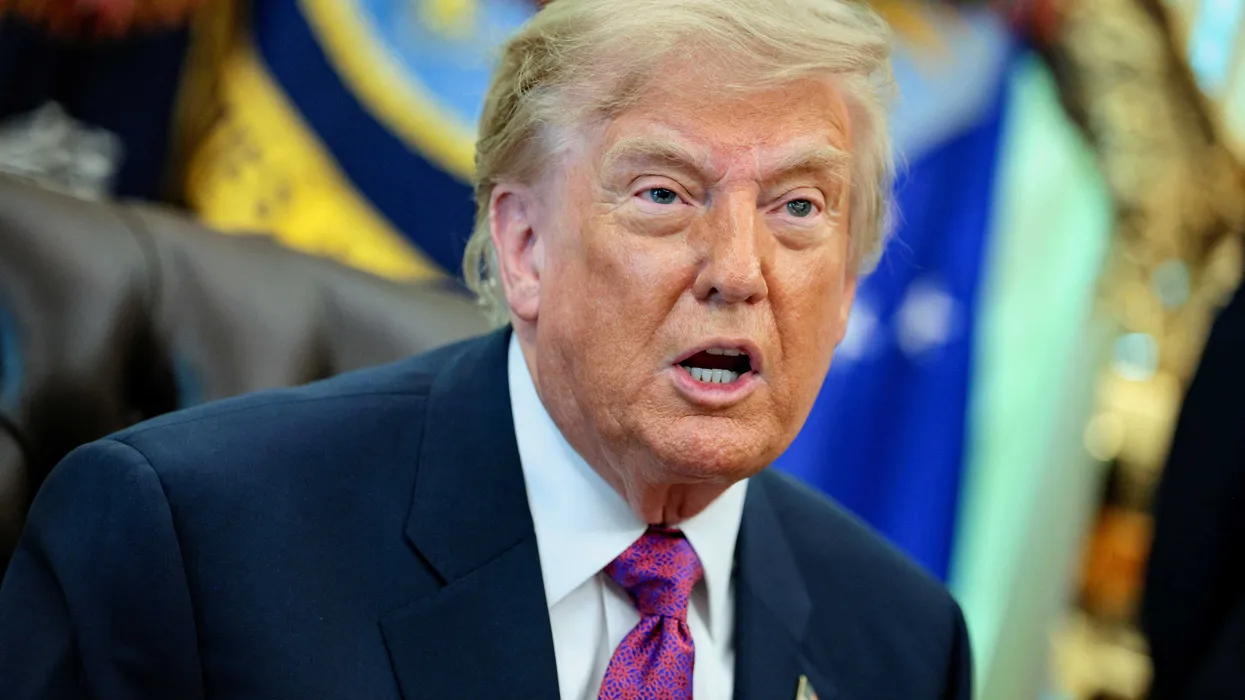
When President Donald Trump’s One Big Beautiful Bill Act cut hundreds of billions of dollars from Medicaid, hospitals already considered the situation severe. But according to new reporting by Politico, hospitals are now preparing for additional regulations from the administration that could cut even deeper, and experts warn the changes could cause widespread “harm” to patients.
Last year, when Republicans passed the OBBB Act, it set in motion a process that will extract roughly $1 trillion from Medicaid over the next decade. Medicaid is the single largest source of coverage in the United States, covering tens of millions of low-income Americans, and it is also one of the largest payers for hospital care nationwide — which is why cuts of this scale ripple directly through hospital operations. Now, as Politico explains, “Two recently proposed rules from the Centers for Medicare and Medicaid Services would cost hospitals hundreds of billions of dollars more.” The rules target taxes states use to obtain more federal Medicaid dollars and that result in higher payments to hospitals. Hospitals say that if the proposed rules are finalized, they would lose hundreds of billions of dollars more, forcing them to “reduce services, lay off workers, consolidate operations or shutter entirely.” Many hospitals say they are already cutting staff and reducing hospital beds in anticipation of the losses.
“Our core message to CMS is to stick to the statute. Congress cut enough,” said Robert Nelb, director of policy at America’s Essential Hospitals, which represents hospitals serving large Medicaid populations. “There’s no need to cut any more out of the Medicaid system at a time when the safety net is really struggling.”
As Politico explains, “States fund Medicaid by putting in some of their own money, which the federal government then matches. Congress cracked down on a practice in which states boost their federal matching funds by taxing hospitals to inflate the state portion of the Medicaid budget and then kick the money back to the hospitals in the form of higher payments. Congress also restricted how states directed payments to certain providers, such as boosting payments for those in rural areas. Hospitals say CMS’ rules restricting state taxes and payments go further than what Congress intended. Hospitals expected to lose $340 billion through 2034 after Congress passed the One Big, Beautiful Bill Act last year. If the rules are finalized as proposed, they would generate $756 billion in savings to the federal government and $265 billion in savings to states through 2035. Or as hospitals see it, they’re losing $681 billion more than they expected.”
The dispute now moves through the federal rulemaking process: proposed rules from CMS are typically opened to a public comment period before being finalized, and hospitals and state officials can still weigh in before the regulations take effect. It is not known when the new rules will go into effect, and for now Politico notes that the potential “harm” to patients is hypothetical, but “hospitals say they’re already making changes that could affect patient care.” For example, the hospital system Providence has begun cutting staff and supply contracts to make room for a predicted $1.3 billion hole in its budget. Golden Valley Memorial Health Care, a hospital system in rural Missouri, has been forced to cut maternal beds in half. As that system’s CEO said, “This is the most challenging economic time I’ve ever seen.” Rural hospitals, which generally operate on thinner margins and depend more heavily on Medicaid and Medicare revenue, are seen as particularly exposed when payment cuts hit, and industry groups have long warned that financial pressure on these facilities can translate into reduced access to care in the communities they serve.

