Himalaya Shipping Extends Fixed-Rate Cover into 2027 with Two More Newcastlemax Charter Conversions
Key Takeaways
- •Himalaya Shipping converted two more index-linked newcastlemax charters to fixed employment at an average rate of $53,000 per day, running from September 1 through March 31 next year.
- •The seven-month fixed period is expected to generate approximately $22.5 million in gross hire across the two vessels, whose identities and charterers were not disclosed.
- •The latest conversion follows an earlier one this month in which two charters were fixed at an average of $51,200 per day from August through the end of December.
- •Himalaya's 12-ship fleet averaged $50,600 per day in the second quarter, well above the Baltic 5TC 180 Capesize Index average of $36,303.
- •The fleet consists entirely of 210,000 dwt LNG dual-fuel newcastlemaxes delivered in 2023 and 2024, positioning the vessels ahead of tightening IMO greenhouse gas regulations.
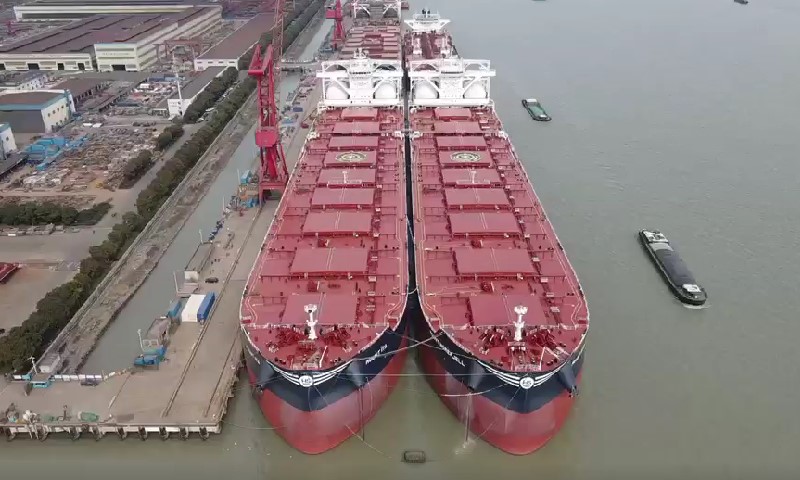
Himalaya Shipping has extended its fixed-rate coverage into 2027, converting two more index-linked newcastlemax charters to fixed employment at an average rate of $53,000 per day.
The Tor Olav Trøim-backed owner has locked in the pair from September 1 through March 31 next year, a seven-month period representing approximately $22.5m in gross hire across the two vessels. The identities of the ships and charterers were not disclosed.
The move follows a similar rate lock earlier this month, when Himalaya converted another two index-linked charters to fixed employment at an average of $51,200 per day, running from August through the end of December. Those vessels continue to earn scrubber benefits in addition to the fixed rate.
Himalaya has made increasing use of the conversion options built into its index-linked contracts to lock in earnings as forward rates strengthen. As Splash reported earlier this year, the company's chartering model provides exposure to the Baltic 5TC capesize benchmark while retaining the ability to switch into fixed rates based on the FFA curve. The hybrid approach reflects a broader strategy among dry bulk owners of balancing spot-market upside with contracted income, particularly for newer, fuel-efficient tonnage where charterers have shown willingness to fix forward.
The latest fixtures come after the company's 12-ship fleet averaged $50,600 per day during the second quarter, compared with an average Baltic 5TC 180 Capesize Index of $36,303 — a premium the company has attributed to its modern, dual-fuel tonnage and commercial strategy. In June alone, Himalaya had four ships fixed at an average of $56,500 per day.
Himalaya's fleet consists entirely of 210,000 dwt LNG dual-fuel newcastlemaxes delivered in 2023 and 2024. The LNG dual-fuel design positions the vessels ahead of tightening greenhouse gas regulations from the International Maritime Organization, which are pushing owners toward lower-carbon fuel options. How much of the fleet Himalaya converts to fixed cover going forward, and at what levels relative to the FFA curve, will indicate how the company weighs continued spot exposure against secured earnings into 2027.
Source: Splash247
