Chancellor Healey Revives Price-Gouging Warning as Cost-of-Living Options Narrow
Key Takeaways
- •Chancellor Healey warned retailers that regulators will act against any unjustified price increases, though no significant evidence of price gouging has been identified so far.
- •The government's ability to fund cost-of-living support has narrowed due to economic pressures stemming from the Iran war and disruption to oil trade through the Strait of Hormuz.
- •A challenging Budget on 28 October is expected to feature tax increases, potential spending cuts, and higher borrowing linked to the energy price shock.
- •Retail industry figures, including Asda chairman Allan Leighton and the RAC Foundation, have pushed back against profiteering claims, citing stiff competition and a lack of evidence.
- •Healey has requested additional departmental savings from ministers and faces pressure to find an extra £9 billion annually for higher defence spending.
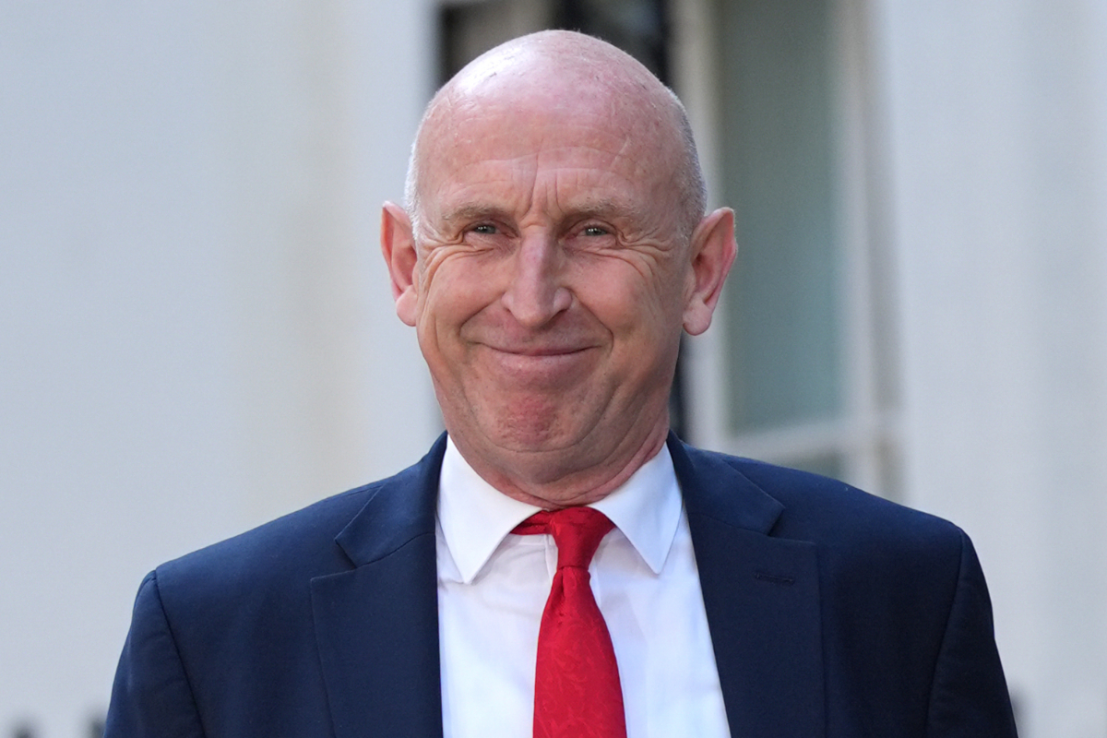
Chancellor John Healey has renewed his warning to retailers against profiteering, as the government's room for manoeuvre on cost-of-living support has narrowed amid mounting pressure on the public finances.
Healey cautioned supermarkets that they would not be permitted to take British consumers "for a ride," pledging that the Treasury would scrutinise "any suggestion" that shoppers were facing unjustified price increases.
His messaging around government assistance has also shifted. Healey acknowledged that the government "can't completely stop" the financial pressures bearing down on families as a consequence of the Iran war and the disruption to trade through the Strait of Hormuz, through which roughly a fifth of global oil consumption normally passes.
Writing in the Telegraph, the Chancellor expressed confidence in "British grit" and "determined hope" to weather the economic shock.
"At home, we will be watching closely for any suggestions that customers are being taken for a ride at the pump or the till," Healey said. "Companies' willingness to work with the government throughout this crisis has been positive, and there has been no significant evidence of so-called price gouging, but I want to be blunt in reassuring the public that our regulators have the powers to clamp down on it if it happens."
The Competition and Markets Authority, which has previously investigated retail fuel margins and found weakened competition at the pump, is among the regulators positioned to act on such concerns.
He added: "Most importantly, we will give people hope, wherever they come from, whatever their background, that they will live in a prosperous Britain that believes in itself once again."
Healey Follows Reeves
Healey's stance mirrors that of his predecessor, Rachel Reeves, who similarly challenged the private sector to hold the line on prices even as businesses grappled with the fallout from the Iran war.
Petrol forecourt retailers previously pushed back against Reeves' "inflammatory language" on profiteering, arguing there was little to no evidence that price-gouging was occurring as a result of the conflict.
Steve Gooding, director of the RAC Foundation, a charity that tracks petrol prices, noted that brands were more concerned about "pricing themselves out" of markets given "stiff" competition.
Asda chairman Allan Leighton also dismissed government claims of profiteering as having "zero credibility."
Healey's remarks on the economy come ahead of what is expected to be a challenging Budget on 28 October, where the government is widely anticipated to unveil a fresh round of tax increases and potential spending cuts. The energy price shock is also likely to push borrowing higher, squeezing the fiscal headroom the Treasury can devote to household support.
Earlier in the week, Healey disclosed that he had written to government ministers requesting additional departmental savings to free up funds for cost-of-living priorities.
The Chancellor will also face considerable pressure to identify an extra £9 billion per year to finance higher defence spending — an issue that prompted his resignation from Sir Keir Starmer's government in June.

