Mark Kleinman: Frasers' Touchiness Shows the Importance of the Harvey Nichols Swoop for Ashley
Key Takeaways
- •Frasers Group has acquired Harvey Nichols and says it will keep the department store chain operating rather than strip it back to its brand value.
- •The company plans to retain Harvey Nichols’ head office, clear outstanding supplier payments and keep the store estate, although some branches may be renamed Flannels or Frasers.
- •A rival Next bid was described as mainly a brand and intellectual property play, with no intent to preserve most of Harvey Nichols’ stores.
- •Some luxury brands remain uneasy about Frasers because of its treatment of brands after the 2023 Matchesfashion takeover.
- •Jeff Bezos joining Liverpool FC’s ownership does not change Premier League spending rules, which limit spending through the Squad Cost Ratio and restrictions on related-party transactions.
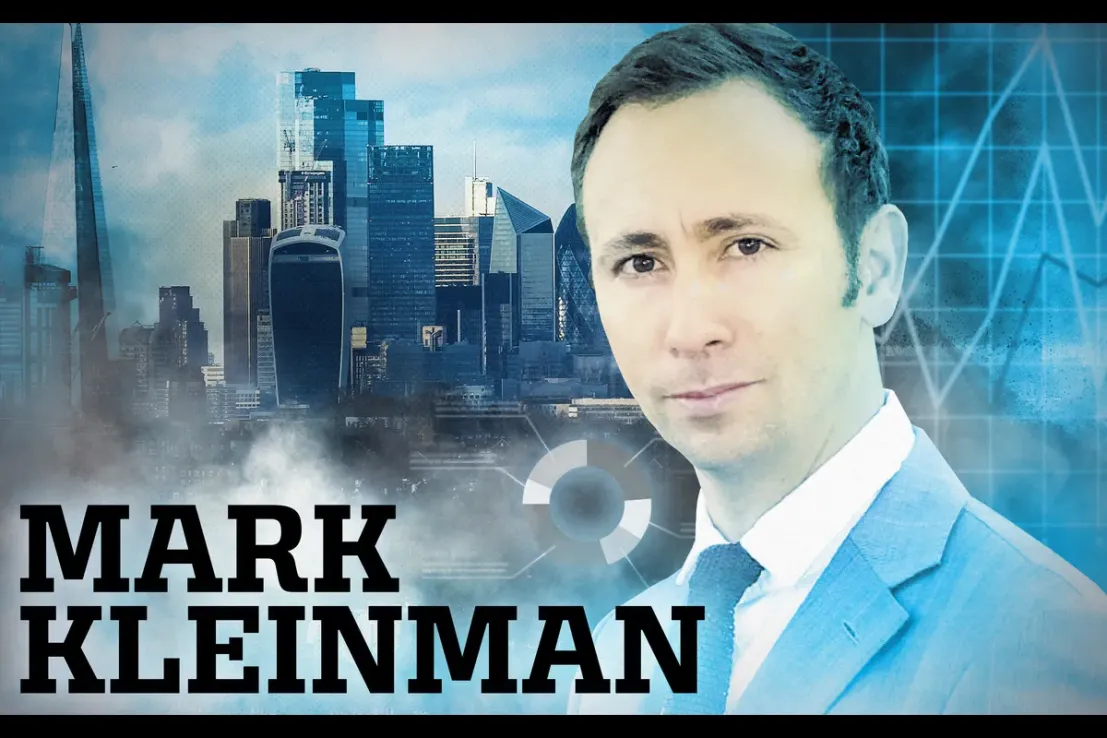
Mark Kleinman is Sky News' City editor and the columnist who gets the Square Mile talking in his City AM column.
Touched a raw nerve? Michael Murray, the chief executive of Frasers Group, was forthright in comments to City AM last month when it was put to him that some luxury brands had expressed concerns about Harvey Nichols falling into his hands.
"I just think that's nonsense. It's absolute nonsense. It's just people making up rumours," Murray told this newspaper.
"We've got very strong brand relationships. We pay all of our bills on time. We invest in our proposition. We invest in expansion and growth."
He now has another chance to put his money where his mouth is, after Mike Ashley's retail empire confirmed that the department store chain of Absolutely Fabulous fame was being taken over by Britain's most pugilistic retail tycoon.
There is no doubt that Ashley's bid for Harvey Nichols was more favourable for the chain's stakeholders than a rival offer from Next, which, according to insiders, had no interest in preserving the Knightsbridge flagship or any of its stores other than Edinburgh.
"It was a brand and IP play for Next, that's all," said one.
Ashley, however, plans to preserve Harvey Nichols' head office, pay suppliers the outstanding sums they are owed, and retain the existing network of stores – albeit with some of them transitioning to the Flannels or Frasers names.
That distinction matters because a takeover of a troubled retail brand is judged not just on the price paid, but on what it leaves behind for staff, landlords, suppliers and brand partners. In Harvey Nichols' case, the deal appears designed to keep the business operating as a going concern rather than strip it back to its intellectual property.
Sadly, that rebranding exercise reflects the decline in Harvey Nicks' customer pull in recent years. The brand is a pale shadow of its 1990s heyday, when regular references on the BBC sitcom made it arguably the best-known department store in Britain.
Ashley now wants some 'Dunkirk spirit' to help reverse that, but he will need more than that. And regardless of Murray's protestations, Frasers does have a perception challenge with some of the upmarket brand-owners who felt aggrieved by his treatment of them following his ill-fated Matchesfashion takeover in 2023. A number of luxury brands called me during the auction to express concern about a Frasers-owned Harvey Nichols and its implications for them.
If Ashley wants the value-accreting potential of his 'Elevation' strategy to be properly reflected in the Frasers share price – and it is not at the moment – he and Murray should view Harvey Nicks as a critical moment in the company's evolution.
Amazon's Bezos arrives in the Premier League jungle
Talk about an unlevel playing field. Here comes the world's fourth-richest man, with a couple of other multibillionaires in tow, to park some of their pocket money on Merseyside.
The arrival of Jeff Bezos, Amazon founder and owner of The Washington Post, Facebook co-founder Eduardo Saverin and steel scion Amit Bhatia as co-owners of Liverpool Football Club looks at first glance like a game-changer in a sport which has already seen its financial landscape reshaped over the last couple of decades.
There is at least one mitigating factor which should, though, dilute the unbridled joy of many Liverpool fans about the potential for their club to enjoy apparently unlimited financial resources.
The Premier League's financial model, newly reconstituted for this season – which kicks off this weekend – under the label of the Squad Cost Ratio, imposes strict limits on football spending as a percentage of football-related turnover. A crackdown on associated party transactions has further limited clubs' scope to game the system. In combination, this means that the net worth of a club's shareholders – however vast – is not a determinant of direct spending power in the transfer market.
That is not to say it has no inflationary impact on the market, though, as this summer's deluge of activity involving players valued at £75m or more indicates.
The emerging consensus among Liverpool fans is that the club requires the wealth of a Bezos to compete with rivals, some of which are effectively owned by nation states. Might the deal not also, though, present the Premier League with an opportunity to cajole Bezos into helping it clamp down on the continuing piracy epidemic – much of it involving Amazon Fire Sticks – which undermines the vast investment by premium content rights-holders in the world's best domestic league?
Thames Water pay rows highlight uncomfortable truth for Burnham
If Sir Adrian Montague wanted advice on dealing with the latest boardroom pay imbroglio at Thames Water, he could do worse than pick up the phone to Sir Philip Hampton. The governance parallels between the travails of Britain's biggest water company and those which faced Royal Bank of Scotland in the period after 2008 are unmistakeable.
The latest example: Thames Water's acknowledgment that its recently appointed finance chief, Steve Buck, received a delayed £1m signing-on bonus last month, even as the company teeters on the brink of what would ultimately be a multibillion-pound taxpayer bailout.
Other than advocates of outright nationalisation of all water, and other, utilities, few are suggesting that Thames Water should be a ward of the state for anything like the 17 years that RBS was. But the latest data from Thames on the number of leaks it is dealing with, exacerbated by the country's exceptionally warm summer, is another reminder of just how broken the company is.
Scrimping on senior leadership is not the way to fix it. The optics of increasing chief executive Chris Weston's annual package to over £1m last month were horrendous, but Buck's situation, as a new external recruit, is more nuanced. As unpalatable as it might be, if Andy Burnham's government wants to successfully resolve one of Britain's most complex corporate crises without the costs and uncertainty of nationalisation – whether temporary or long-term – it is not going to be delivered with sub-standard management.

