Gulf Shipping Grinds to a Halt Following Houthi Missile Claim
Key Takeaways
- •Vessel transits through the Strait of Hormuz dropped from eight on Tuesday to two on Wednesday, while Bab el-Mandeb traffic fell from twenty commodity vessels to a single Bahamas-flagged dry bulk carrier.
- •Houthi forces in Yemen claimed responsibility for a ballistic missile strike on the Saudi-flagged products tanker NCC WAFA in the Red Sea north of the Yambu area.
- •The NCC WAFA had its AIS transponder off since July 19 and reportedly reversed course after the Houthi blockade announcement on July 22, only to be struck hundreds of kilometers from the declared blockade zone.
- •Security analysts told the BBC that threats to commercial shipping in the Gulf and Red Sea have reached their most dangerous levels since the Iran war began.
- •Iran and Oman are reportedly in the final stages of negotiating a joint management agreement for the Strait of Hormuz, which could signal de-escalation in a highly tense corridor.
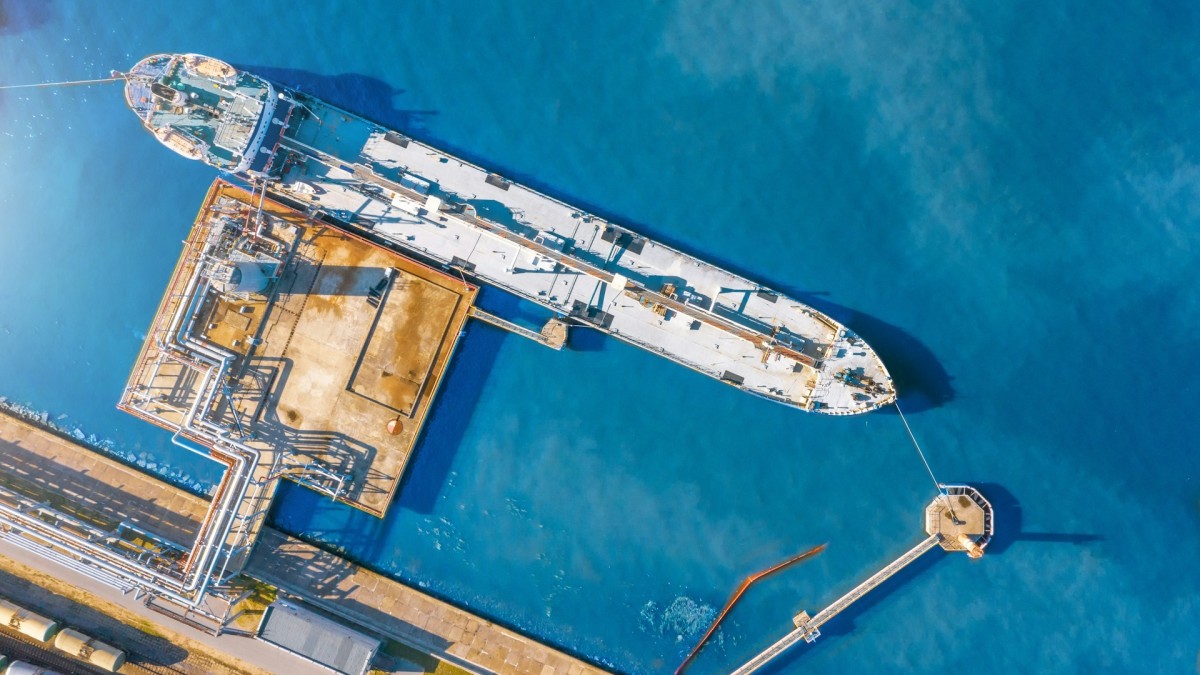
Vessel traffic through two of the world's most critical maritime chokepoints — the Strait of Hormuz and the Bab el-Mandeb Strait — dropped sharply on Wednesday compared to the previous day, as Houthi forces in Yemen claimed to have struck a Saudi oil tanker in the Red Sea with ballistic missiles.
The Strait of Hormuz, through which roughly a fifth of global oil consumption passes, and the Bab el-Mandeb Strait, a vital artery for Europe–Asia trade, together frame a corridor that shipping insurers and commodity markets watch closely for disruption signals.
Traffic Through Key Chokepoints Collapses
Only two vessels transited the Strait of Hormuz on Wednesday, down from eight on Tuesday, according to ship-tracking data reviewed by Reuters.
At the Bab el-Mandeb Strait — the narrow passage connecting the Red Sea to the Arabian Sea — just one commodity vessel, a Bahamas-flagged dry bulk carrier, made the transit on Wednesday. That figure stood at twenty the day before, according to Kpler data cited by Reuters.
Houthi Claim of Strike on Saudi Tanker
On Wednesday, the Iran-aligned Houthi group in Yemen announced what it described as a "precise hit" on a Saudi oil tanker operating in the Red Sea.
"The Yemeni Armed Forces conducted a military operation targeting the Saudi oil tanker 'Wafaa' north of the Red Sea off the Yambu area using several ballistic missiles," the Houthis said in a statement carried by Middle East news outlet Al Bawaba.
The vessel in question, NCC WAFA, is a Saudi-flagged products tanker. According to maritime intelligence group Windward, it was last seen transmitting on July 19, heading southbound through the Red Sea toward the Bab el-Mandeb Strait.
The tanker has been dark — meaning its AIS transponder has been off — since July 19. Following the Houthi blockade announcement on July 22, the WAFA likely reversed course and traveled back north through Saudi coastal waters, "where the missiles found her anyway, hundreds of kilometers from the declared blockade zone," Windward's analysts said.
Worst Safety Situation Since the Iran War Began
Analysts at security and vessel-tracking firms told the BBC this week that threats to commercial shipping in both the Gulf and the Red Sea have escalated to the most dangerous levels observed since the Iran war began.
The Houthis have periodically targeted commercial vessels in the Red Sea and surrounding waters, attacks they frame as linked to the broader regional conflict, forcing many shipping operators to reroute around southern Africa or delay transits.
Potential Diplomatic Breakthrough on Hormuz
Despite the heightened threats, there are signs that a diplomatic resolution involving the Strait of Hormuz may be emerging. Iran and Oman appear to be nearing an agreement on the joint management of the critical waterway.
Iran's foreign ministry spokesman, Esmaeil Baghaei, stated that the deal with Oman was "in the final stages."
The outcome of that agreement, if finalized, will be closely watched by shipping operators and energy markets for any signal of de-escalation in a corridor that has seen repeated tension episodes.
By Charles Kennedy for Oilprice.com

