Former Trump Press Secretary Grisham Says 'Melting Down' President Has 'No Guardrails' Amid 'Fake News' Press Ban
Key Takeaways
- •Stephanie Grisham, White House press secretary during Trump's first term, said the president once ordered her to remove the press corps from the White House grounds, but she stalled and never completed the task.
- •Trump has announced a ban targeting outlets he calls "fake news," a step widely expected to fail in court because the First Amendment bars the government from restricting freedom of the press.
- •Grisham said Trump appears unusually empowered in his current term with no guardrails restraining him, claiming he has surrounded himself with aides who treat his ideas favorably rather than push back.
- •Former federal prosecutor Shan Wu said the Constitution contains no "fake news" exception, making the ban resemble a futile outburst rather than an actionable policy.
- •Grisham attributed the move to a difficult stretch for Trump — including the Iran war, court setbacks, and rising interest rates — and predicted he will double down, sending the dispute into litigation.
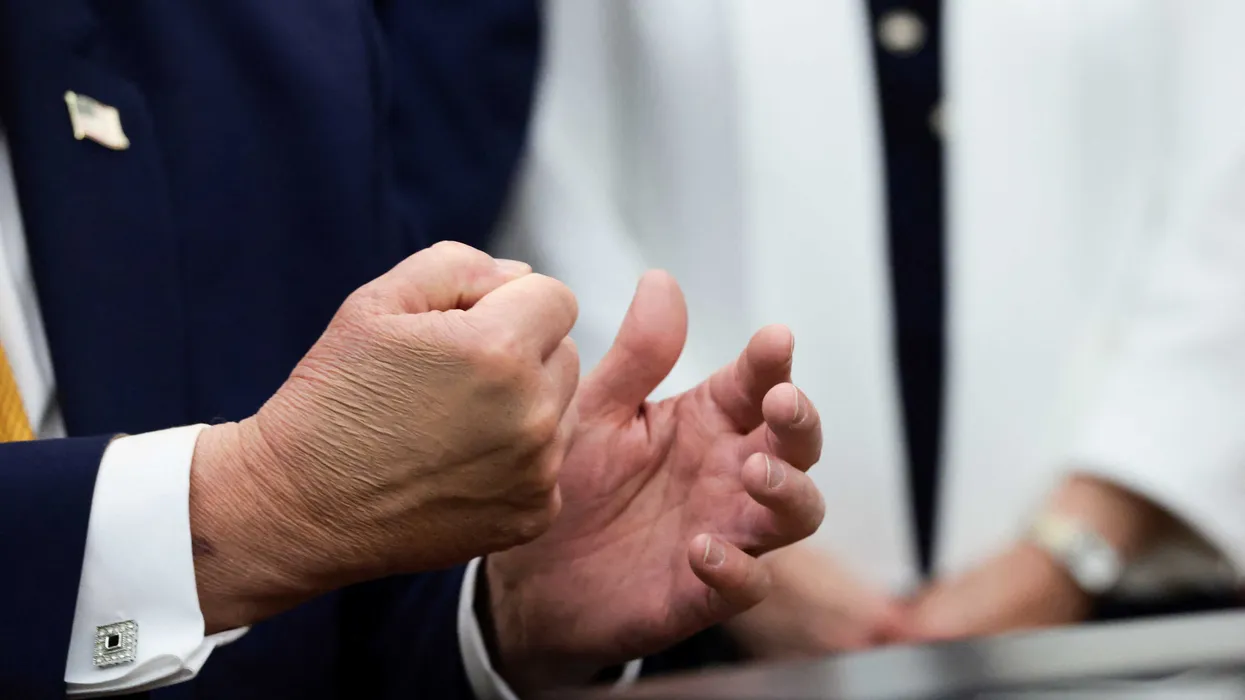
Stephanie Grisham, who served as White House press secretary during President Donald Trump's first term and also held communications roles under First Lady Melania Trump, says she recognizes what drove Trump to move to bar certain news outlets from the White House.
Appearing on CNN with anchor Brianna Keilar, Grisham said Trump had tasked her with the impossible job of getting the press corps off the White House grounds during his first term, even if that meant searching for stragglers off the premises.
"And I would just say, 'I'm still working on it. There's a lot to go through with legal And I would just kind of push it off and push it off and stall him. And then obviously I never completed that task, but that's something that I knew was going to happen one day," she told Keilar.
Trump has now announced a ban targeting so-called "fake news" outlets, a step that is likely to die in court under a First Amendment argument. The First Amendment, part of the Bill of Rights, bars the government from abridging freedom of the press, and access to the White House — briefings, press events and the president himself — is central to how the press corps covers an administration, which is why restrictions on that access have historically ended up in court. Grisham said that, based on his past behavior, Trump appeared to be on a tear and feeling "very, very empowered right now." Unlike his first term, however, there appear to be "no guardrails" to keep his conduct in check.
"I was hopeful that somebody like [White House staff] Susie Wiles or Dan Scavino would be there doing it … but it seems he has really surrounded himself with sycophants and … everybody's laughing and thinking it's a great idea. But you know, as always, he's missed the point," said Grisham. "The economy is terrible. I live in the Midwest, and I can't tell you how many farmers and people who drive water trucks and big equipment are suffering, and people can't afford groceries. They're suffering and he's not doing anything but these silly projects and these silly little vanity things that he's doing. It doesn't look good. He's so out of touch and he's melting down."
Shan Wu, a former federal prosecutor serving as a panelist on the program, told Keilar that the Constitution makes no exception for "fake news," which makes Trump's ban look more like a futile outburst or temper tantrum than an actionable policy with follow-through.
Keilar then asked Grisham what could drive Trump to pursue such an unconstitutional and futile effort, and whether one particular story that emerged this week had pushed him over the edge.
"I think he has had an epically bad couple of weeks when you consider the Iran war SCOTUS pushing back on voting, on [failing to put his name on] the Kennedy center and the courts pushing back on that, with interest rates went up. I mean, I could go on and on," said Grisham. "You all know what's going on. So, I think he just saw the last — whatever the last story he saw was the last straw. And he decided to, you know, post something on social media. It's how he is. He doesn't really think before he does. He just does these things and he just expects everybody around him to just make it work."
"I imagine he's going to double down … it's going to go into litigation," she concluded. If the dispute reaches the courts as she expects, judges would weigh the ban against the same First Amendment protections Wu described — a test of whether the government can decide which outlets belong inside the White House press area.
Grisham's remarks came during her interview on CNN; the segment is available here.

