Republican Strategist Says Darline Graham 'Nowhere to Be Found' as GOP Directs Extra $5 Million Into South Carolina Senate Race
Key Takeaways
- •Republicans are pouring an additional $5 million into South Carolina's Senate race despite the state being one where the party would not normally need to spend.
- •A veteran GOP strategist told CNN that the intervention signals doubt in Darline Graham's campaign specifically, noting she has not been on the campaign trail ahead of the election.
- •Democratic challenger Annie Andrews, a pediatrician, is running an aggressive campaign centered on gas, diesel, and grocery prices that rose during COVID and never came down.
- •Fox News moved its forecast for the once-safe seat from solidly R to likely R, and Republicans are also directing funds into Kansas, Texas, and Iowa.
- •The strategist also flagged former Rep. Mike Rogers' reversal on Trump's tariffs 60 days after backing them, an issue raising vehicle costs in manufacturing-heavy Michigan and strained further by the trade dispute with Canada.
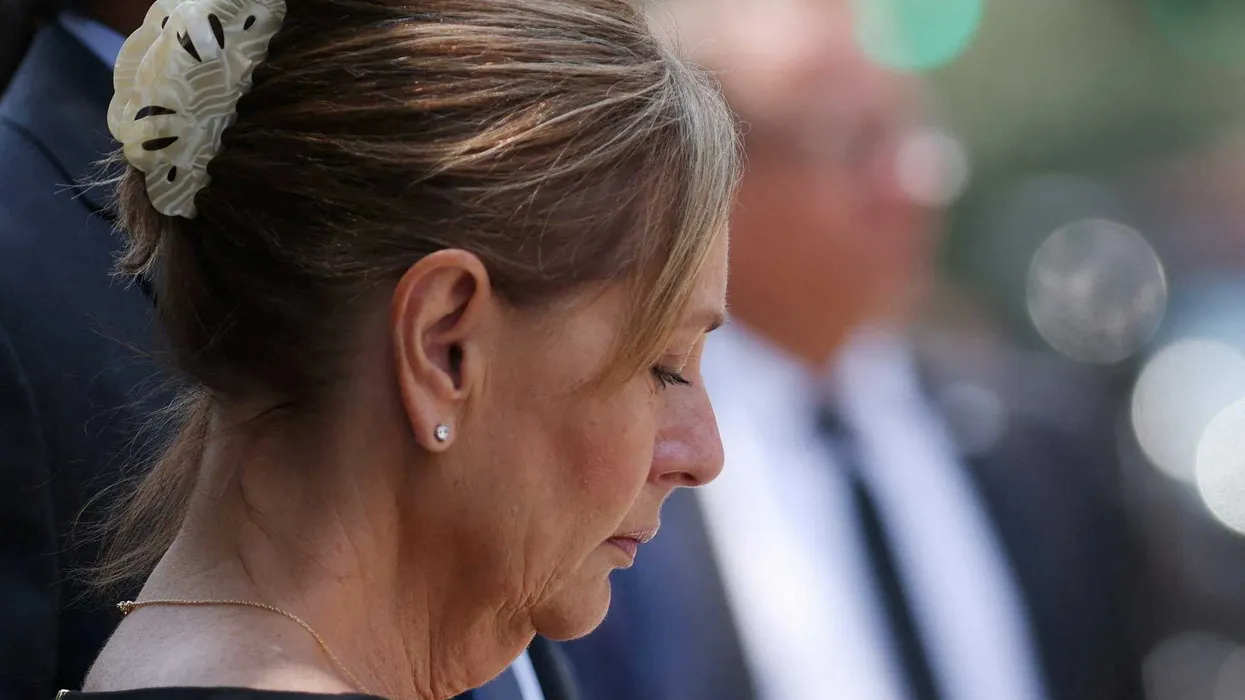
A veteran Republican strategist has sharply criticized the GOP's Senate campaign in South Carolina, suggesting the party's latest financial intervention reflects doubt about the candidate herself rather than broad electoral anxiety.
Darline Graham, the sister of the late Sen. Lindsey Graham (R-S.C.), succeeded her brother in the Senate. Yet even with lawmakers back home ahead of the election, she still is not campaigning, according to the strategist's assessment.
The criticism comes after news broke that Republicans are directing an additional $5 million into efforts to lift Graham's numbers. It remains unclear whether the party fears a wave election could threaten even a reliably red state like South Carolina, or whether it simply lacks confidence in the Graham campaign as it stands. According to the veteran GOP strategist, it is the.
Speaking to CNN's Mark Preston, the strategist said: "Pediatrician Annie Andrews is running an aggressive, kitchen-table campaign focused on the issues important to families struggling in South Carolina. Her campaign is all about high gas/diesel prices and grocery prices that skyrocketed during COVID and have never come down. Darline Graham is nowhere to be found. People are struggling and Darline isn't meeting with the voters where they are."
Preston pointed out that South Carolina is a state where the GOP should not need to spend money, yet Republicans are now also directing funds into Kansas, Texas, and Iowa. Where party committees send money in an election's final stretch is closely watched because, with Senate control decided seat by seat, those allocations are among the clearest public signals of which races each side privately considers contested.
The influx of cash came just before Fox News moved its forecast for the once-safe Senate seat from "solidly R" to "likely R." The distinction matters for readers parsing the board: a "solid" rating describes a race not viewed as competitive, while "likely" still favors the Republican but acknowledges the outcome is no longer a formality.
Graham has also stumbled through several public missteps, most notably during her primary debate against Rep. Ralph Norman (R-S.C.), an exchange covered by The New York Times. She will have a chance to reset the race when she shares the stage with Dr. Andrews on Oct. 11, a matchup that now carries added weight given the fresh investment behind her candidacy.
Trump, meanwhile, has launched personal attacks against Andrews, including claims that she is transgender. For her part, Andrews has not asked Graham to denounce the comments, saying she is too focused on issues that matter to voters who cannot afford food and fuel.
The strategist also highlighted former Rep. Mike Rogers (R-Mich.), who made an "about-face" on Trump's tariffs 60 days after claiming to support them. Michigan is a car state, and the high tariffs have driven up prices on vehicle parts, metal, and tools, making vehicles more costly to build and more expensive to buy. Because tariff levels are set at the federal level, Senate outcomes in manufacturing states like Michigan help determine who will shape that policy going forward.
Trump's personal trade war with Canada is also hurting Michigan, since many U.S. vehicles are shipped in for Canadians to buy, as the Detroit Free Press reported in August. The state is particularly exposed because its auto industry operates across the U.S.–Canada border rather than as a self-contained domestic industry.
Having earlier said he stood with Trump on tariffs, Rogers has now reversed his position on the issue. With the Oct. 11 debate approaching and forecasters revising their outlooks, the next round of spending decisions in South Carolina, Michigan, and the other newly contested states will show how wide the 2026 Senate map has actually become.

