G2 Ocean’s Arthur English urges shipping to price risk as one connected system
Key Takeaways
- •Arthur English said shipping discussions should examine how different risk factors interact instead of treating them as isolated problems.
- •He said assessing risk becomes more difficult as vessel sizes get smaller and trades, ports and contracts become more fragmented.
- •English highlighted crew welfare and cargo safety as important exposures that are hard to measure but can still have major commercial effects.
- •He expects disruption, including geopolitical instability, emissions regulation, decarbonisation and weather, to dominate the dry bulk market debate.
- •He said data, analytics and artificial intelligence are most valuable when used in everyday commercial decisions rather than separate digital projects.
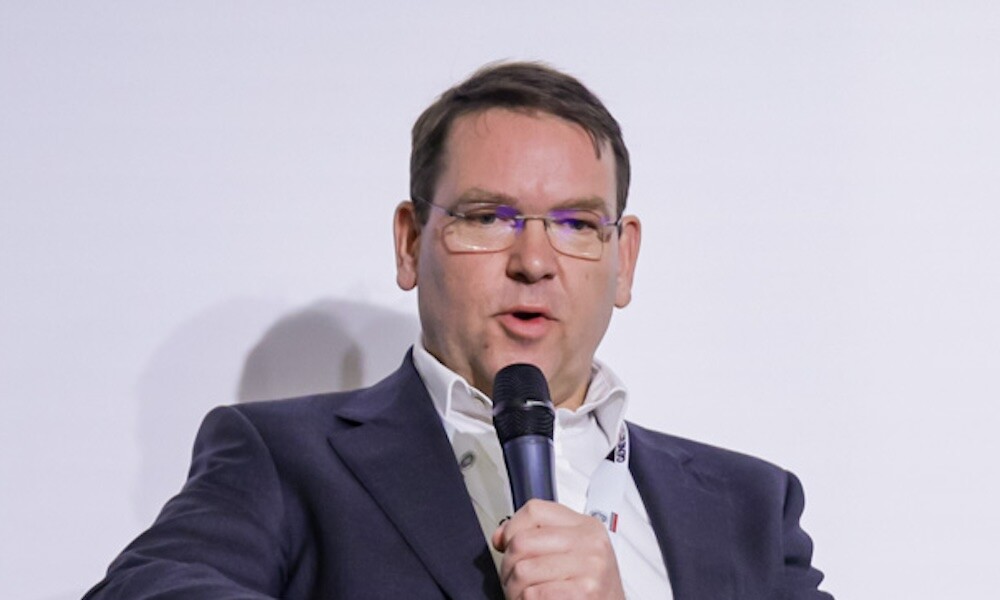
Shipping needs to stop treating risk as a collection of separate problems and start examining how geopolitical, operational, financial and human factors interact, according to Arthur English, chief executive officer of G2 Ocean.
English, who will join the dry bulk panel at September’s Splash Singapore conference, said industry discussions often isolate the Panama Canal, the Strait of Hormuz, freight hedging, cyber threats, regulation and emissions, even though the commercial links between them are clear. That matters in a market where owners and charterers are already dealing with overlapping disruptions rather than a single issue at a time.
“A useful conference discussion would move beyond identifying risks and ask how we can allocate, price and manage them more transparently,” he said.
He said the challenge becomes more complex further down the dry bulk fleet. Risk may be relatively straightforward for capesizes, English suggested, but becomes harder to assess as vessel sizes decrease and ships move into more fragmented trades, ports and contractual arrangements.
English also called for greater attention to exposures that are difficult to quantify but can still have major commercial consequences, including crew welfare and cargo safety.
For the dry bulk market, English expects disruption to dominate the September debate. Geopolitical instability, changing trade patterns, emissions regulation, decarbonisation strategies and technological development will all influence vessel demand and commercial decisions. Weather disruption, including the impact of El Niño, adds another layer of uncertainty.
Technology can help companies navigate this environment, but English said the commercial application matters more than the arrival of individual tools.
Data, analytics and artificial intelligence are already creating opportunities to optimise cargo intake, improve fleet planning and reduce emissions. The companies that benefit most, he said, will be those that embed these capabilities into everyday decisions rather than treating them as separate digital projects.
“The companies that benefit most will be those able to turn technology into practical decisions for themselves and customers,” he said.
Splash Singapore will take place on September 24 at the Fairmont Hotel and will bring together senior shipowners, charterers and maritime service providers for unscripted panel discussions rather than presentations or sales pitches.
English will join a dry bulk panel moderated by Mandarin Shipping chief executive Tim Huxley. His fellow panellists are Norden chief executive Jan Rindbo, Baltic Exchange chief executive Mark Jackson, Pacific Basin chief executive Martin Fruergaard and Stamatis Tsantanis, chairman and chief executive of Seanergy Maritime and United Maritime.
The full Splash Singapore agenda can be accessed here. Splash Singapore registration, at just S$750, can be accessed here. Special Splash Singapore hotel room rates can be found here.

