FRC Chief Calls for 'Once in a Generation Reset' of Bloated Corporate Annual Reports
Key Takeaways
- •Richard Moriarty, CEO of the Financial Reporting Council, warns that corporate annual reports have become excessively long, burdening directors and obscuring key information for investors.
- •The growth in report size has been largely driven by expanding ESG and sustainability disclosure requirements reflecting a global regulatory trend.
- •Moriarty is collaborating with prominent City of London figures, including fund manager Nick Train, to seek a major reset in corporate reporting practices.
- •Plans to replace the FRC with a new independent body called the Audit, Reporting and Governance Authority were shelved by Prime Minister Keir Starmer's government.
- •Moriarty states that UK audit quality has improved significantly since the 2018 collapse in public confidence, though the regulator continues to fine Big Four firms over shortcomings.
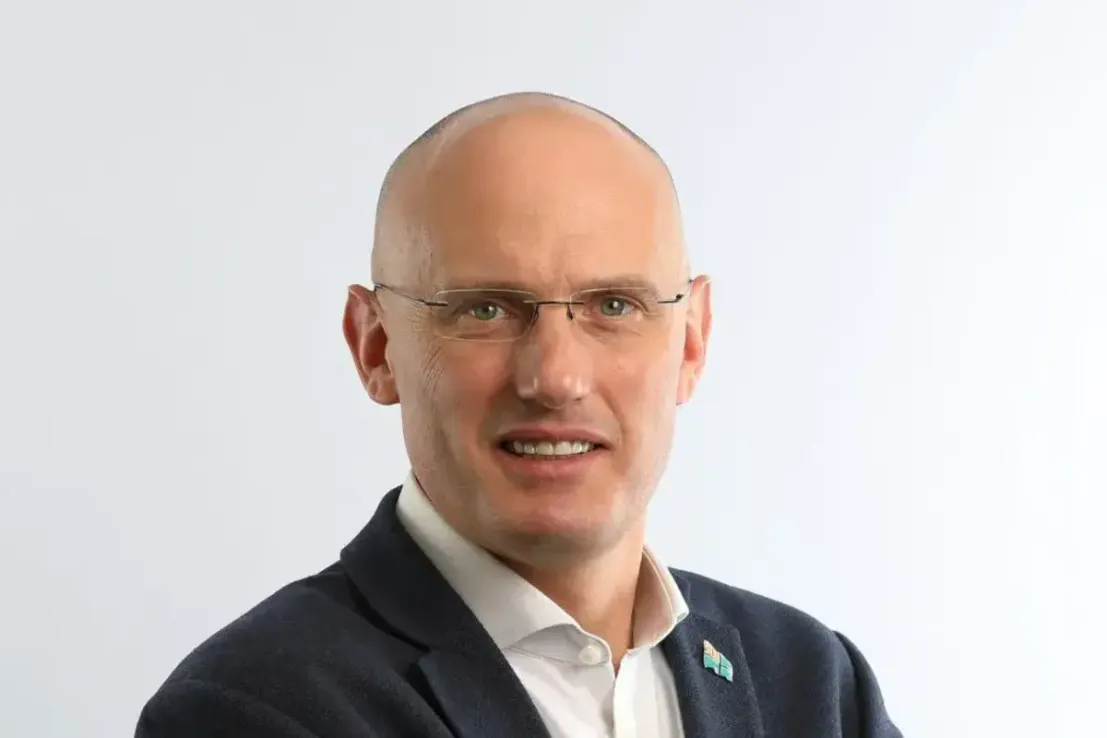
The head of Britain's audit watchdog has warned that corporate annual reports have ballooned to unmanageable sizes, imposing excessive time costs on company directors and making it harder for investors to locate relevant information.
Richard Moriarty, chief executive of the Financial Reporting Council (FRC), said the cost and scope of annual reports have steadily expanded as companies dedicate increasing numbers of pages to environmental, social, and governance (ESG) topics such as sustainability. The growth reflects a wider global trend, with regulators and investors across major markets pushing for more extensive corporate disclosure on climate and social matters. As a result, directors are forced to spend more time navigating lengthy documents.
"We want boards to spend their time on entrepreneurial activity," Moriarty said in an interview with the Daily Mail. "The more they are in a defensive posture box-ticking, the less they are thinking about innovation and growth."
He added that oversized annual reports also make it difficult for investors and creditors to find the information most relevant to them.
A Collaborative Effort with Square Mile Figures
Bloated reports have become a growing concern across the City of London. Moriarty confirmed he has been collaborating with several prominent Square Mile figures, including noted fund manager Nick Train, to address the issue.
"It's a long overdue conversation, and the way I put it is wouldn't it be good if this were a once in a generation reset?" he said.
Moriarty's stance goes beyond the FRC's core mandate of ensuring auditors meet the standards required for the integrity of public markets. He said he wants to shape regulation that actively promotes growth while continuing to root out misconduct.
A Watchdog Transformed
Since Moriarty took the helm three years ago, the FRC has navigated significant upheaval, including a series of high-profile corporate collapses such as that of Carillion. Those failures prompted a review by Sir John Kingman, who concluded the FRC was a "timid" watchdog that was not fit for purpose.
Kingman recommended replacing the FRC with a new independent body called the Audit, Reporting and Governance Authority (ARGA). However, plans to establish ARGA, along with a broader audit reform bill, were ultimately shelved by Prime Minister Keir Starmer's government.
The regulator continues to face challenges, including recent fines imposed on Big Four accountancy firms—Deloitte, EY, KPMG, and PwC—which collectively audit the vast majority of FTSE 350 companies. Nevertheless, Moriarty argued that substantial progress has been made.
"Audit quality in the UK has come a hell of a long way since that dark period of 2018. There was a complete breakdown of public trust and confidence in the audit profession and indeed its regulation," he said.
He added that if the UK wants to achieve economic growth, the FRC must "help businesses and support responsible risk-taking" rather than stifling innovation.

