European Football's $20M Transfer Boom Is Quietly Fueling Crypto Fan Token Markets
Key Takeaways
- •CHZ declined roughly 47% over a single 30-day period, trading near $0.0188 in late June 2026 despite heightened transfer window and World Cup interest.
- •Fan tokens provide limited governance rights on minor club decisions but offer no dividends, equity stakes, or claims on broadcasting revenue.
- •Chiliz has partnered with approximately 170 sports organizations worldwide, including Manchester City, operating on its dedicated Chiliz Chain Layer 1 blockchain.
- •The 2026 World Cup hosted across North America and emerging U.S. regulatory clarity could expand the audience for fan tokens.
- •Supporter groups in England and Germany have publicly questioned whether fan tokens commercialize loyalty without granting supporters meaningful influence over club management.
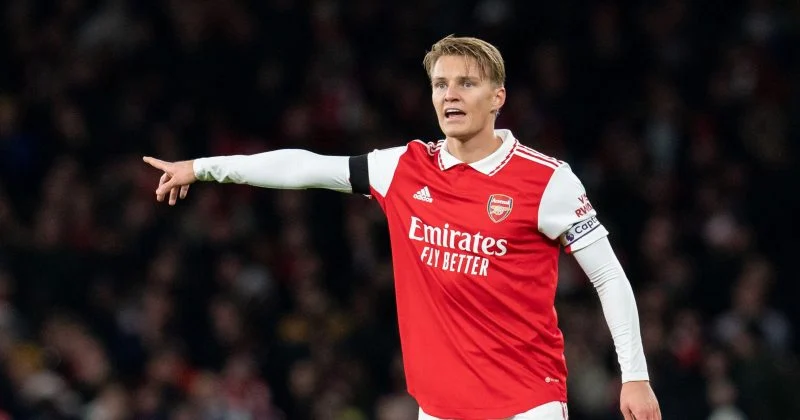
The 2026 European football summer transfer window has escalated into a high-stakes arms race, with elite players receiving annual salary offers exceeding $20 million to change clubs.
Yet the transfer frenzy is doing more than overhauling squad rosters across Europe. It is sending ripples through a niche corner of the cryptocurrency market that many traders tend to ignore: fan tokens.
Where Football Meets Blockchain
Fan tokens function as digital assets that allow supporters to take part in certain club decisions, ranging from jersey designs to stadium music selections. They operate as a hybrid of loyalty rewards and governance rights, existing on a blockchain rather than through traditional membership programs.
The concept gained traction around 2019–2020, when clubs including Juventus and Paris Saint-Germain became early adopters through partnerships with blockchain-based platforms. Since then, the model has expanded across global sports, reaching Formula 1 teams, NFL franchises, and UFC alongside football's traditional heavyweights.
Socios.com stands as the dominant platform in this sector, powered by the Chiliz (CHZ) token. Chiliz has established partnerships with approximately 170 sports organizations worldwide, including major clubs such as Manchester City. The underlying infrastructure operates on Chiliz Chain, a dedicated Layer 1 blockchain specifically designed for sports-related digital assets.
Trading volumes for fan tokens typically surge during pivotal moments in the football calendar. Transfer windows, tournament announcements, and marquee player signings all act as catalysts. The 2026 World Cup, scheduled to be held across North America this summer, is adding another dimension of speculative interest to an already overheated market.
Despite their growing presence, fan tokens have drawn pushback from organized supporter groups. Several football fan trusts, particularly in England and Germany, have publicly questioned whether these digital assets commercialize loyalty without delivering meaningful influence over how clubs are run.
CHZ Endures a Difficult Summer
Despite the surrounding buzz, Chiliz's native token has struggled. CHZ was trading near $0.0188 in late June 2026, marking a decline of roughly 47% over a single 30-day period.
This downturn underscores a core tension within the fan token market: these assets are driven by sentiment rather than fundamentals. A blockbuster signing announcement may cause a club's token to spike, but once the hype subsides or broader crypto markets retreat, there is no revenue stream or earnings baseline to provide support.
Fan tokens function more as speculative instruments tied to club popularity than as equity stakes in a business. They offer no dividends and confer no claim on broadcasting revenue. The governance rights they provide, while genuine, are limited in scope—typically restricted to minor decisions that clubs were already comfortable delegating to fan votes.
The World Cup Wild Card
Clubs such as Olympiacos and others operating in blockchain-receptive European leagues have already started integrating distributed ledger technology to strengthen fan engagement.
Chiliz Chain offers a dedicated environment for these digital assets, keeping them separate from the congestion and unpredictable gas fees associated with general-purpose blockchains like Ethereum. Regulatory clarity emerging in the United States during 2026 could create opportunities for fan tokens to attract a wider audience, especially with the World Cup being hosted on American soil.
Broadcasting revenues and sponsorship agreements continue to drive the expansion of football's broader financial ecosystem. The transfer window's salary packages exceeding $20 million reflect this inflationary trend, fueled by increasingly lucrative television contracts and global commercial partnerships. The English Premier League alone commands domestic broadcast rights valued at approximately £5 billion over a four-year cycle, a figure that does not include international rights or commercial sponsorships.
CHZ's 47% monthly decline serves as a stark reminder that fan tokens are event-driven instruments operating in a sector where events follow a seasonal cycle and sentiment can shift rapidly. These assets depend far more on speculative enthusiasm than on traditional equity-based value, a dynamic that warrants close attention from both investors and traders.

