UEFA, AFC and CONCACAF in Talks Over No-Confidence Vote Against FIFA President Infantino
Key Takeaways
- •UEFA, the AFC, and CONCACAF are in active discussions about triggering a no-confidence vote to remove Gianni Infantino from the FIFA presidency.
- •Infantino withdrew his 'FIFA Forward Enterprise' plan, which proposed creating a $20 billion commercial subsidiary and selling minority stakes of up to 20% to outside investors, within 72 hours amid governance and transparency concerns.
- •FIFA fifth vice-president Sándor Csányi publicly withdrew his confidence in Infantino on August 19, and the football associations of Wales and Finland have pulled their support for his re-election bid.
- •Convening an extraordinary FIFA Congress requires support from at least 20% of member associations, roughly 43 of 211 members, plus three months' notice, making November 2026 the earliest possible date.
- •Infantino still intends to seek re-election in March 2027, with the nomination deadline set for November 18, 2026, and no official challengers have emerged so far.
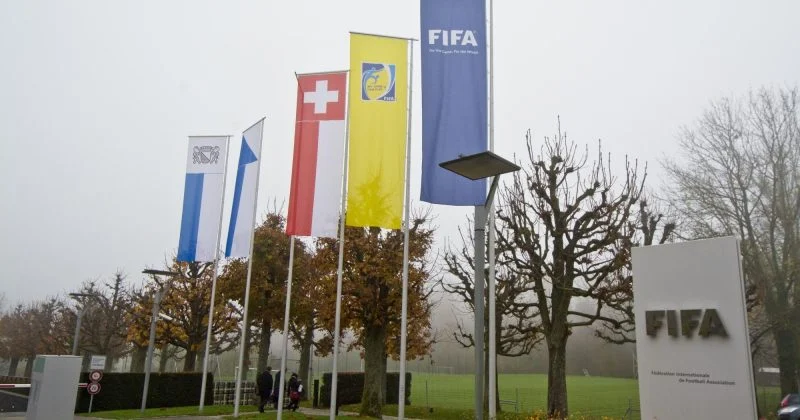
Three of football's most powerful regional confederations are quietly moving to remove Gianni Infantino from the FIFA presidency.
UEFA, the Asian Football Confederation (AFC), and CONCACAF are in active discussions about triggering a no-confidence vote against Infantino, following a weeks-long saga over a controversial commercial proposal that united critics across continents.
The $20 billion plan that backfired
The roots of the rebellion trace back to late July 2026, when Infantino pitched a plan he called "FIFA Forward Enterprise" to member associations. The proposal was ambitious: create a new commercial subsidiary with an anticipated valuation of $20 billion, then sell minority stakes of up to 20% to outside investors.
Governance and transparency concerns erupted almost immediately among member federations. The plan was introduced on July 28-29, and by July 31 Infantino had pulled the plug entirely, citing the divisions it had caused.
Cracks in the coalition
The most visible sign of Infantino's eroding support came on August 19, when Sándor Csányi, FIFA's fifth vice-president, publicly withdrew his confidence in the president.
Several national federations have followed suit. Wales and Finland have both withdrawn their support for Infantino's re-election bid, while Mexico's federation has publicly maintained its backing.
Infantino still plans to seek re-election in March 2027, with the nomination deadline set for November 18, 2026. As of now, no official challengers have emerged.
Convening an extraordinary FIFA Congress — the body that could formally consider removing Infantino — requires the support of at least 20% of member associations, which translates to roughly 43 of FIFA's 211 members. That threshold matters because it is the only formal route mentioned here for forcing the issue ahead of the next election cycle, and it gives the regional confederations' talks practical weight beyond public criticism.
An extraordinary congress requires three months' notice, which means that even if the required signatures materialize soon, the earliest such a gathering could take place would be around November 2026. That timing would overlap almost precisely with the nomination deadline for the March 2027 election.
What got FIFA here
Infantino has led FIFA since 2016, winning the presidency in the aftermath of the corruption scandals that brought down his predecessor, Sepp Blatter.
The FIFA Forward Enterprise proposal would have fundamentally altered how the world's most-watched sporting event generates and distributes revenue. Critics worried it would concentrate financial power at FIFA's headquarters while diluting the influence of member federations. The fact that Infantino withdrew the proposal within 72 hours underscored the political miscalculation and helps explain why a commercial plan quickly became a governance test.
The road to November
The 43-vote threshold for an extraordinary congress is the first real test. UEFA alone does not have enough member associations to force the issue, which is why the involvement of the AFC and CONCACAF matters so much.
For the opposition, the absence of a declared challenger complicates the picture: a no-confidence vote without a clear alternative candidate risks looking like "chaos for chaos's sake."

