US Judge Questions Evidence Behind Trump Administration's Ban on Anthropic AI in Federal Agencies
Key Takeaways
- •A federal judge concluded that the Trump administration did not provide adequate evidence to justify its ban on Anthropic's AI systems in federal agencies.
- •The government argued that AI infrastructure and supply chain risks warranted the restriction, but the court found the evidence insufficient under the Administrative Procedure Act.
- •The ruling does not permanently bar future restrictions but requires the administration to present stronger factual support if it intends to pursue the prohibition.
- •Anthropic relies on cloud infrastructure partnerships with Amazon Web Services and Google Cloud, which factor into how agencies evaluate vendor dependencies and data handling.
- •The case may set precedent for how courts assess AI-specific procurement restrictions, a newer legal area compared to established frameworks for telecommunications and hardware supply chain bans.
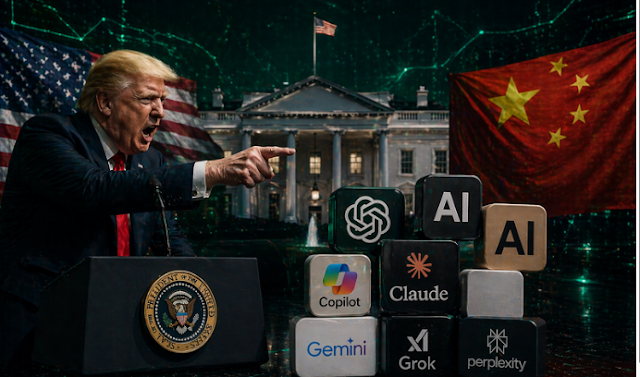
US Judge Questions Evidence Behind Trump Administration's Ban on Anthropic AI in Federal Agencies
A federal judge has concluded that the Trump administration failed to present sufficient evidence to justify its decision to prohibit the use of Anthropic's AI systems across federal agencies, marking a significant development in the legal debate over artificial intelligence, government procurement, cybersecurity, and national security policy.
The ruling does not definitively determine whether future restrictions would be unlawful. Instead, the court indicated that the government must provide stronger factual support if it intends to justify limiting access to AI technology on the basis of supply chain risks. Under the Administrative Procedure Act, courts routinely assess whether agency decisions are supported by substantial evidence and reasoned analysis, and legal experts note that this framework frequently requires agencies to demonstrate that major policy decisions rest on adequate evidence rather than speculation alone.
The legal dispute has drawn considerable attention across the technology sector and was highlighted by the X account of Cointelegraph.
Court Examines the Government's Justification
During the proceedings, the federal judge found that the administration had not presented enough evidence to fully support its prohibition on Anthropic's AI systems within federal agencies. The government argued that potential risks associated with AI infrastructure justified restricting the use of Anthropic's technology, citing the need to protect sensitive government operations through careful evaluation of software providers, infrastructure dependencies, and the technology supply chains supporting advanced AI systems.
The court, however, determined that the evidence presented thus far was insufficient to fully substantiate the government's position. This outcome echoes challenges seen in prior technology restriction cases, where courts have required agencies to build detailed evidentiary records—particularly when restrictions implicate specific named companies rather than broad categories of technology.
Why Supply Chain Security Matters
Supply chain security has become one of the most pressing issues facing governments worldwide. Modern AI systems depend on numerous interconnected components, including cloud infrastructure, semiconductor hardware, software frameworks, data processing systems, networking equipment, and third-party service providers. Governments increasingly assess whether vulnerabilities within any segment of this ecosystem could create national security risks. Anthropic, notably, relies on cloud infrastructure partnerships with both Amazon Web Services and Google Cloud, relationships that factor into how agencies evaluate vendor dependencies and data handling practices.
Anthropic's Growing Role in Artificial Intelligence
Anthropic has emerged as a leading developer of advanced AI models. Founded by former OpenAI researchers Dario and Daniela Amodei, the company is best known for its Claude family of AI assistants and has become a major competitor in the rapidly expanding generative AI market alongside OpenAI's GPT models and Google's Gemini. Anthropic focuses heavily on AI safety, responsible model development, enterprise AI, research, and Constitutional AI—a framework designed to align model behavior with defined principles. Its products are increasingly used by businesses, developers, educational institutions, and enterprise customers worldwide.
AI Adoption Across Government Continues to Grow
Government agencies increasingly evaluate artificial intelligence for a range of applications, including administrative automation, document analysis, cybersecurity, research assistance, public services, and data management. AI technologies offer opportunities to improve efficiency and reduce administrative workloads, though public sector adoption also requires stringent security standards and regulatory oversight. Federal AI governance efforts have accelerated in recent years, with agencies issuing guidance on acceptable use, risk management, and procurement standards for AI systems.
Courts Play an Increasing Role in AI Policy
As AI regulations evolve, courts are becoming more involved in reviewing government decisions. Judges may examine whether agencies have followed proper legal procedures, presented sufficient evidence, respected statutory authority, and applied regulations consistently. Judicial oversight helps ensure that executive actions remain supported by appropriate legal and factual foundations. The Anthropic case may contribute to an emerging body of precedent defining how courts evaluate AI-specific procurement restrictions, a relatively novel area compared to the more established legal framework surrounding telecommunications and hardware supply chain bans.
National Security Remains a Priority
Although the court questioned the evidence supporting the restriction, national security continues to play a central role in government technology decisions. Federal agencies routinely evaluate technology vendors based on cybersecurity, infrastructure resilience, operational reliability, supply chain integrity, and data protection. Governments worldwide have intensified scrutiny of technology procurement over the past decade, and AI systems are increasingly subject to the same risk assessment frameworks previously applied to telecommunications equipment, semiconductor sourcing, and cloud computing infrastructure.
Technology Companies Face Greater Regulatory Attention
AI companies increasingly operate within a complex regulatory environment. Major issues attracting regulatory attention include AI transparency, data privacy, copyright, security, competition, and model safety. As AI becomes more influential across critical sectors, regulators continue expanding oversight while attempting to balance innovation with public protection. For companies like Anthropic that compete for federal contracts, the outcome of procurement-related litigation can affect not only direct government revenue but also signal broader regulatory risk to private-sector customers evaluating long-term vendor commitments.
Enterprise Customers Watch Closely
Businesses using artificial intelligence closely monitor government policy because federal decisions often influence broader enterprise adoption. Corporate technology leaders pay close attention to security guidance, compliance standards, procurement rules, and regulatory expectations. Legal developments involving major AI providers may therefore influence commercial technology strategies well beyond government agencies, particularly in regulated industries such as finance, healthcare, and defense contracting.
Supply Chain Security Extends Beyond AI
Technology supply chain concerns affect multiple industries beyond artificial intelligence. Governments increasingly evaluate telecommunications, cloud computing, semiconductors, cybersecurity software, and critical infrastructure. The Anthropic case highlights how AI has become embedded in these broader national security discussions.
AI Regulation Continues Evolving
The rapid advancement of AI has prompted lawmakers and regulators to develop new governance frameworks. Key policy priorities include responsible AI deployment, risk assessment, consumer protection, national competitiveness, innovation, and international cooperation. The legal landscape remains dynamic as governments seek to establish consistent standards for emerging technologies.
Market Impact
Although the court's ruling primarily concerns government procurement, investors continue to monitor legal developments involving major AI companies. Artificial intelligence remains one of the fastest-growing sectors within the global technology industry. Legal certainty regarding government contracts and regulatory compliance could influence future enterprise adoption, investment decisions, and competitive positioning. Anthropic has raised billions in funding from strategic investors, and procurement disputes of this nature are watched as indicators of how regulatory friction may affect the company's commercial trajectory.
Looking Ahead
The legal process may continue as the government decides whether to present additional evidence supporting its position. Future proceedings could examine supply chain documentation, national security assessments, administrative procedures, and technology risk analysis. The outcome may help establish important precedents regarding how governments regulate artificial intelligence providers and whether AI-specific restrictions face a higher evidentiary bar than earlier generations of technology procurement bans.
The federal judge's conclusion that the Trump administration has not yet presented sufficient evidence to justify restricting Anthropic's AI technology marks an important moment in the evolving relationship between artificial intelligence, government procurement, and national security policy. While the ruling does not eliminate the possibility of future restrictions, it underscores that significant government actions affecting technology companies must be supported by adequate factual evidence. As AI becomes increasingly integrated into both public institutions and private industry, similar legal challenges are expected to shape the future regulatory framework governing advanced artificial intelligence across the United States.

