Fed Watchdog Raises Questions About Handling of Confidential Information
Key Takeaways
- •The Fed's Office of Inspector General flagged briefings of regional Fed bank board members occurring close in time to FOMC policy meetings.
- •These briefings could have given directors access to nonpublic information with the potential for personal gain or trading advantage.
- •Regional reserve bank boards include private-sector directors with ties to banking, commerce, and industry, raising questions about the sufficiency of current controls.
- •The report follows earlier Fed information-handling controversies, including a 2012 leak to a private consultancy and 2021 trading by senior officials that prompted tighter ethics rules.
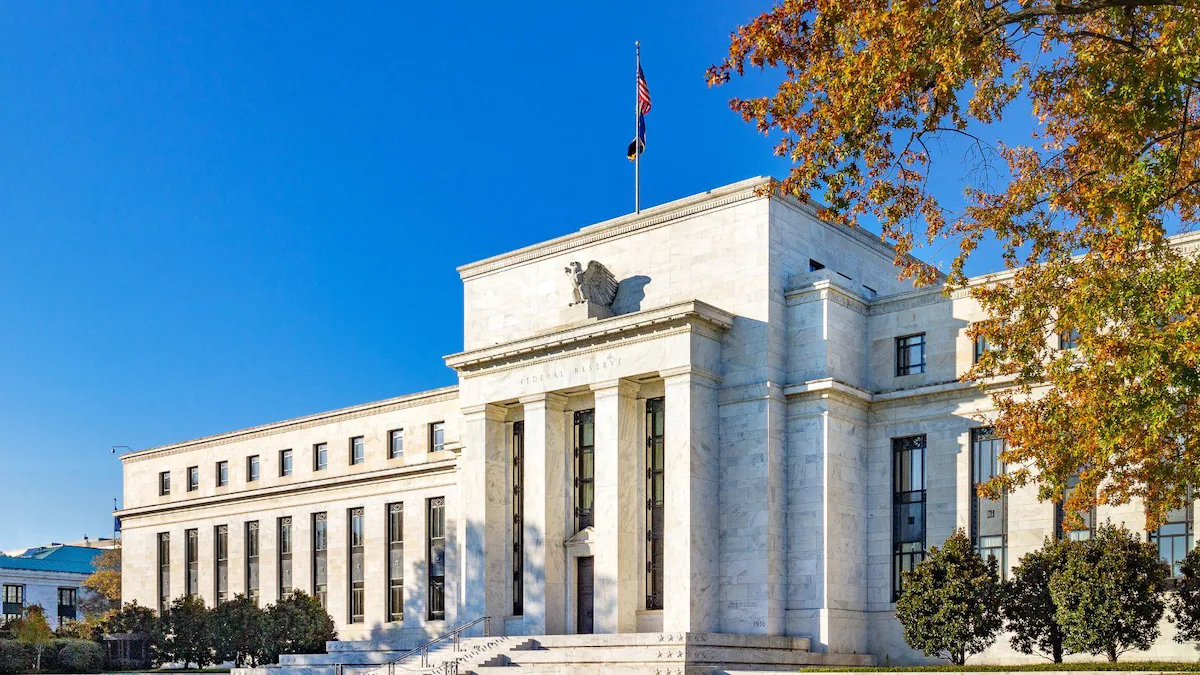
The Federal Reserve's Office of Inspector General has drawn attention to instances in which board members at regional Federal Reserve banks were briefed by policymakers before, or immediately after, policy meetings — briefings that could have given those directors access to nonpublic information with the potential to be used for personal gain.
The watchdog's findings highlight concerns about how sensitive, market-moving information from the Fed's policymaking process may have reached directors of the regional reserve banks, who in some cases have ties to the financial industry. The Office of Inspector General, which serves as the Fed's internal watchdog, flagged the practice of briefing bank board members in close proximity to Federal Open Market Committee (FOMC) meetings, when decisions on interest rates and other policy matters are made.
The concern centers on the possibility that such briefings exposed nonpublic information — material that is not available to the general public — to individuals who could potentially trade on it or otherwise benefit personally from early knowledge of the Fed's policy direction.
The issue matters beyond the Fed itself because FOMC decisions — including rate moves — move Treasury yields, equity prices and other financial markets the moment they are announced, which is why the central bank maintains strict blackout and disclosure rules around its policy communications. The 12 regional reserve banks are structured with boards that include private-sector directors drawn from banking, commerce and industry, and the findings raise questions about whether existing controls around their access to policy information are sufficient.
The report also comes after prior episodes that put the Fed's information-handling under scrutiny, including disclosures in 2012 about disclosure of market-sensitive information to a private financial consultancy and trading activity by senior Fed officials that prompted tighter ethics rules in 2021. What to watch next is whether the Fed or the Inspector General recommends changes to how — and when — regional bank directors are briefed relative to FOMC meetings.
Source: CNBC-TV18

