Fed's September Meeting Could Test Warsh's Hawkish Case, but Bitcoin May Still Shine
Key Takeaways
- •The FOMC convened on September 16, 2026, and its policy statement will shape how markets price near-term rate expectations and the credibility of hawkish dissent.
- •Kevin Warsh, a former Federal Reserve governor linked to a tighter, rules-based monetary approach, faces a narrative challenge if the September favors holding or easing rates.
- •Bitcoin has at times decoupled from broader risk-asset pressure when Fed signals weaken confidence in fiat monetary stability, meaning it may benefit from monetary uncertainty rather than rate cuts alone.
- •Bitcoin's post-meeting positioning hinges on dollar strength, moves in 2-year and 10-year Treasury yields, and shifts in real yield expectations.
- •Fed statements feed into algorithmic trading systems and on-chain derivatives protocols within minutes, and sustained dollar strength would compress dollar-denominated valuations across AI-crypto tokens.
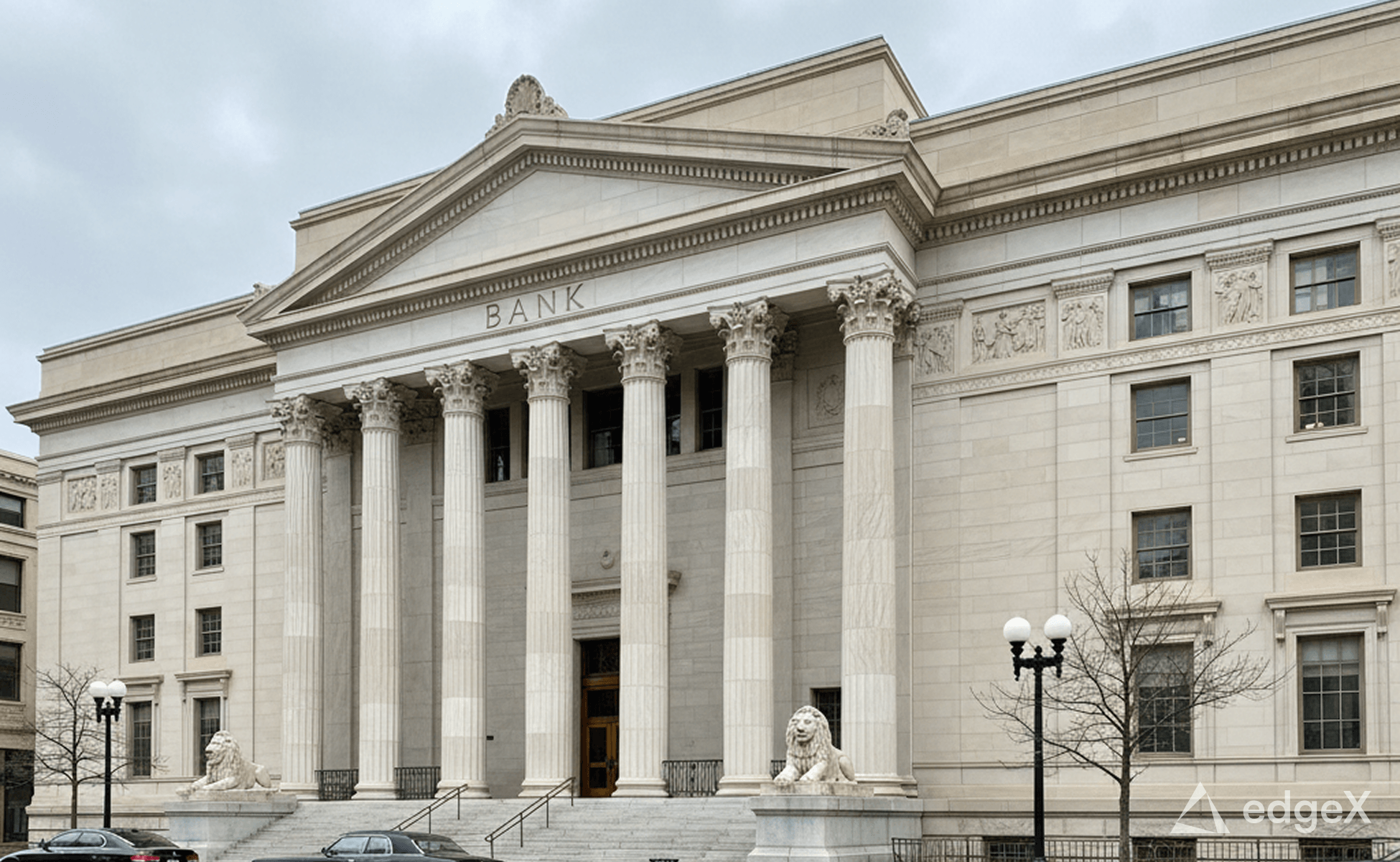
The Federal Reserve's September 2026 policy meeting has placed Kevin Warsh in an uncomfortable position. The rate decision and accompanying guidance could undercut the monetary policy narrative most closely tied to his name, while Bitcoin's response to the same signals may diverge in ways that matter to crypto traders watching the macro backdrop.
How the Fed Meeting Complicates Warsh's Policy Case
The Federal Open Market Committee, the Fed's rate-setting body, convened on September 16, 2026, and the policy statement issued alongside the decision carries direct implications for how markets price in both near-term rate expectations and the broader credibility of hawkish dissent. Warsh, a former Federal Reserve governor widely associated with a tighter, more rules-based approach to monetary policy, sees his position tested whenever the Fed signals accommodation or comfort with current conditions.
The tension is structural. If the Fed's September statement leans toward holding or easing, it reinforces a policy path that diverges from the more restrictive stance with which Warsh has publicly been linked, as reported by CoinDesk. The meeting's outcome and the chair's press conference messaging are the two data points that will determine how wide that divergence appears to markets.
For observers tracking the intersection of artificial intelligence and crypto, the Fed meeting matters beyond traditional macro. Algorithmic trading systems and on-chain derivatives protocols use Fed rate signals as inputs for automated position management, meaning the statement's language feeds directly into decentralized finance liquidity conditions within minutes of its release.
Why Bitcoin Could Still Come Out Ahead
Bitcoin's relationship with Fed decisions is asymmetric in a specific way. Tighter-than-expected policy tends to pressure risk assets broadly, but Bitcoin has at times decoupled from that pattern when the policy signal also weakens confidence in fiat monetary stability. A Fed meeting that looks politically constrained or internally divided can actually strengthen the case for a non-sovereign store of value, even if the immediate rate outcome is neutral or mildly hawkish.
The absence of confirmed market data in the current research brief means specific price levels cannot be cited here. The structural argument, however, stands: Bitcoin may benefit from monetary uncertainty rather than from rate cuts alone, and that is the mechanism traders should watch. Three variables are most directly relevant to Bitcoin's post-meeting positioning: dollar strength or weakness following the Fed statement, Treasury yield moves at the 2-year and 10-year tenors, and any shift in real yield expectations, which reflect Treasury returns adjusted for inflation.
From a compute-market and decentralized AI perspective, this dynamic carries additional weight. AI inference protocols and tokenized GPU marketplaces price their native tokens partly against macro liquidity conditions. A Fed outcome that sustains dollar strength would compress dollar-denominated token valuations across the AI-crypto stack, making the Bitcoin divergence thesis more interesting as a relative value signal than an absolute one.
Traders should monitor closely the Fed chair's press conference language on inflation tolerance and the updated dot plot, the Fed's chart of individual policymakers' projections for the future path of interest rates. Those two outputs, more than the rate decision itself, will determine whether the policy signal is tight enough to vindicate hawkish observers or loose enough to give Bitcoin's non-correlated store-of-value narrative room to run.
Disclaimer: This article is for informational purposes only and does not constitute financial or investment advice. Cryptocurrency and digital asset markets carry significant risk. Always do your own research before making decisions.

