FBI corruption probe involving Susan Collins and Navatek ended after Trump-era purge, ProPublica reports
Key Takeaways
- •Martin Kao, former chief executive of Navatek, told the FBI that the company exchanged political donations for government contracts, describing nearly $900,000 in contributions to dozens of politicians that helped the firm secure more than $40 million a year in federal funding.
- •Kao sent $150,000 to Sen. Collins' super PAC through a shell company after a 2019 meeting, and an internal email indicated he told executives she had committed to securing $32 million in naval contracts.
- •No one working for Collins was charged, the FBI said a prior review found nothing implicating the senator or her campaign, and her office described the bribery allegations as outlandish.
- •By late 2024, FBI agents believed the evidence justified a broader bribery investigation of lawmakers from both parties, including a new probe focused on South Carolina and a dinner Kao shared with Sen. Lindsey Graham.
- •The investigation was effectively halted after agents Michelle Ball and Kevin Gounaud were removed from the FBI's public-corruption unit following President Trump's return to office.
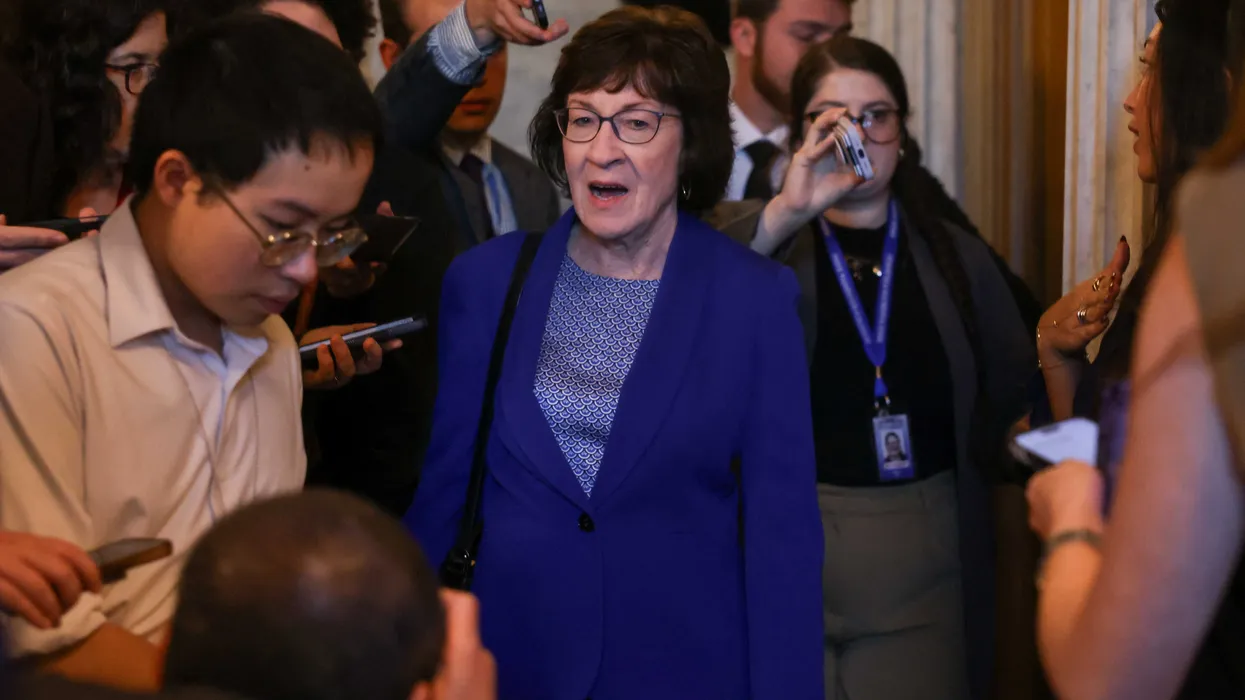
An FBI investigation into an alleged pay-to-play operation involving former defense contractor Navatek, Sen. Susan Collins and other members of Congress was halted after President Donald Trump returned to the White House and federal public-corruption teams were dismantled, according to a ProPublica investigation.
The inquiry began with Martin Kao, Navatek’s former chief executive, who told FBI agents that the company exchanged political donations for government contracts. Records reviewed by ProPublica and interviews with people familiar with the investigation indicated that the alleged operation extended beyond Collins and involved lawmakers from both parties.
No one working for Collins was charged. The FBI said it had previously investigated claims involving Collins and “ultimately found nothing implicating Senator Collins or Senator Collins’ campaign.” Collins’ office denied Kao’s allegations, and her campaign said it cooperated with the earlier investigation.
The alleged arrangement
In late 2019, Scott Reed, who headed the super PAC supporting Collins, met three Navatek executives at a Corner Bakery in Washington, D.C. Collins, a Republican from Maine, was facing a difficult reelection campaign. Navatek had received a multimillion-dollar Navy research contract in Maine after Collins helped the company obtain funding. Reed asked the executives for a $500,000 contribution.
Government contractors are prohibited from making political contributions. Offering or accepting a donation in exchange for official action could also constitute criminal bribery. According to Kao’s later account to the FBI, Navatek wanted Collins to secure tens of millions of dollars in additional federal funding in return for a large political contribution.
Navatek planned to route the donation through a shell company. After the meeting, Kao sent $150,000 to Collins’ super PAC through the shell company. Two months later, according to an internal Navatek email reviewed by ProPublica, Kao told company executives that Collins had committed to securing $32 million in naval contracts.
A federal grand jury indicted Kao in 2022 for making illegal campaign contributions. No Collins staff member or campaign employee was charged. Facing years in prison, Kao began cooperating with federal agents and prosecutors in hopes of receiving a reduced sentence.
Over three days at the U.S. attorney’s office in Honolulu, Kao described what he said was a broad operation involving lobbyists, congressional staff members and lawmakers. He provided a 50-page document naming people he claimed had helped exchange political money for contracts. Kao said he and associates had donated nearly $900,000 to dozens of politicians, helping Navatek establish operations in six states and obtain more than $40 million a year in government funding.
Investigators reviewed hundreds of thousands of records seized after Kao’s arrest. They recognized that he had credibility problems as a convicted felon seeking a reduced sentence, and that a corruption case against elected officials would require strong evidence of a quid pro quo. By the end of 2024, however, agents believed the evidence justified a broader bribery investigation involving lawmakers from both parties and considered using undercover operatives.
Collins, Navatek and the investigation’s limits
According to emails reviewed by ProPublica, Collins was Navatek’s most important political patron during Kao’s leadership. Her office helped steer millions of dollars in government contracts to the company while her campaign sought donations from Kao and people in his network. Emails showed the office pressing the Navy to award specific contracts to Navatek even though the awards were supposed to be competitive.
Annie Clark, Collins’ deputy chief of staff, said the senator’s office “vigorously” denied Kao’s allegations of bribery and pay-to-play, describing them as “outlandish.” Clark said Collins’ campaign was not involved in discussions between Kao and the super PAC and had “fully cooperated” with the FBI investigation. She said Collins’ campaign returned illegal contributions made by Kao without the campaign’s knowledge in 2021.
Collins is again seeking reelection in a race that could affect control of the Senate. During the campaign, she has highlighted funding directed to Maine while leading the Senate Appropriations Committee.
ProPublica said it independently corroborated much of Kao’s account but noted that it remained unresolved whether his dealings with politicians amounted to criminal bribery. That distinction is significant: political donations, lobbying and lawmakers’ assistance with funding can be lawful, while an explicit exchange of money for official action may constitute bribery. The available reporting does not establish criminal liability for Collins or her staff.
Navatek’s strategy was to replace a single powerful benefactor with a network of influential lawmakers. The company targeted members of the House and Senate appropriations committees, developed research proposals with universities in lawmakers’ states or districts, and worked with congressional staff on defense-budget language. A 2019 Senate Appropriations Committee report set aside $21.5 million for projects that internal documents and former employees indicated had been requested by Navatek.
Former contracting officers told ProPublica that congressional staff later pressured Navy officials to award the money to Navatek. The company’s research often did not result in usable products. A company presentation said none of its technology had been deployed, and former employees said the Navy had no plans to use a boat prototype developed with the University of Maine.
Kao’s arrest and cooperation
In early 2020, the Campaign Legal Center complained to the Federal Election Commission about a $150,000 contribution to Collins’ super PAC from a newly created LLC. The money came from a Navatek account, and the center suspected the LLC was a pass-through designed to conceal the donor.
Federal authorities raided Navatek’s Honolulu offices on Sept. 30, 2020, and arrested Kao for fraud. He was charged in separate cases involving Paycheck Protection Program fraud and campaign-finance crimes. He pleaded guilty in both cases in fall 2022 and was sentenced to 87 months in prison. The judge did not reduce the sentence because of his cooperation.
Kao later gave the FBI a 50-page document describing Navatek’s dealings with more than a dozen members of Congress and their staff. During interviews, he said taxpayers had funded the company’s political operation through government contracts. ProPublica reported that agents found records consistent with portions of his account, while also examining the limits of testimony from a cooperating defendant.
The broader probe and what remains unresolved
By late 2024, FBI agents Michelle Ball and Kevin Gounaud believed the evidence justified a broader investigation into bribery involving members of Congress, according to a memo reviewed by ProPublica. Before they could proceed, they were affected by the Trump administration’s purge of public-corruption officials.
The agents worked in CR-15, an FBI anti-corruption unit specializing in misconduct by elected officials. After Trump returned to power, agents and prosecutors involved in public-corruption work were removed or resigned. Ball was fired in October 2025 and is challenging the dismissal in court; Gounaud was pushed out in early 2026. The Justice Department’s Public Integrity Section also lost much of its leadership after prosecutors were ordered to drop a case against New York City Mayor Eric Adams, a Trump ally.
Before Ball was fired, she persuaded supervisors to authorize a new investigation based on evidence gathered from Kao. It focused on South Carolina, one of the states Navatek had considered for expansion, including questions about a steak dinner Kao shared with Sen. Lindsey Graham. The investigation was effectively halted after the personnel changes, according to ProPublica.
The reporting therefore leaves two separate issues unresolved: whether the alleged arrangements involving Collins or other lawmakers met the legal standard for bribery, and whether investigators will be able to pursue the broader allegations after the dismantling of the teams handling the case. No Collins staff member or campaign employee was charged.

