House Republicans From Farm States Blame Senate as Voter Anger Over Trump Economic Policies Mounts
Key Takeaways
- •House Republicans from farm states are bearing constituent backlash over Trump's tariffs, beef imports, and high fuel and fertilizer costs.
- •U.S. Trade Representative Jamieson Greer met privately with House Republicans last week to discuss potential fallout from the Canada standoff, Russia sanctions, and other trade fights.
- •Iowa Rep. Zach Nunn pressed Greer on rising beef imports and argued farmers should not suffer for policy decisions.
- •Wisconsin Rep. Derrick Van Orden blamed Senate Republicans for not passing a farm bill the House sent over about five months ago.
- •The farm bill's delay leaves farmers without updated price supports and disaster aid, with House members in competitive districts absorbing voter anger before senators face re-election.
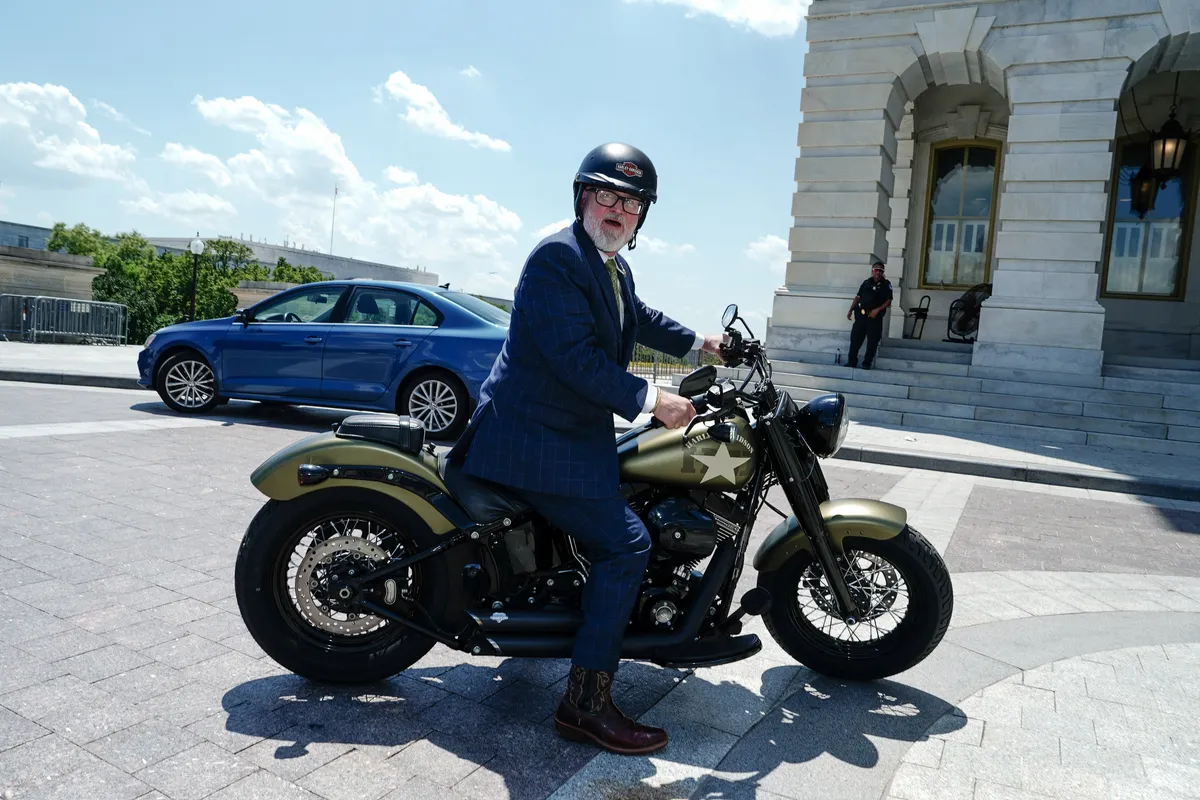
House Republicans from farm states, facing constituent backlash over President Donald Trump's economic policies, are increasingly frustrated that they are bearing the blame — prompting one lawmaker to point the finger at his GOP counterparts in the Senate.
That is according to a new analysis from MS NOW's Lillie Boudreaux, who argued that Republicans are stuck in a bind because "tariffs, beef imports and high fuel and fertilizer prices are hitting agricultural communities especially hard."
The tension boiled over last week when U.S. Trade Representative Jamieson Greer met "behind closed doors" with House Republicans, according to the analysis. Boudreaux reported that those lawmakers wanted to know what fallout their own states might see from the Canada standoff, Russia sanctions, and other trade fights.
Rep. Zach Nunn, an Iowa Republican in a swing district, used the meeting to press Greer on the increase in beef imports — and planned to raise the issue again hours later at a White House dinner for Republicans running in tight races. Iowa is among the country's leading agricultural producers, and farm-state districts like Nunn's are particularly sensitive to commodity prices and trade disruptions, which helps explain why the backlash has landed hardest on House members from these regions.
"I applaud him for coming up with ideas," Nunn said of Trump. "But I also got to say: I got to take care of folks back home."
He told MS NOW: "If you really want to have Made in America, I think you start with your farmers and ranchers, and they shouldn't have to suffer for a policy decision or even a short-term law."
Pressed on whether his complaints about beef imports amounted to political theater, Nunn did not hold back: "Ask a cattleman who's taken a heifer to market, and you'll find out the real answer on that."
Asked what Congress owes struggling farmers, Rep. Derrick Van Orden (R-WI) pointed the finger across the Capitol.
"You're on the wrong side of this building," he told MS NOW. "You've got to walk over there to the Senate and ask them to show up for work and to get the farm bill done that we sent over to them about five months ago."
The farm bill — the sweeping multiyear legislation covering farm subsidies, nutrition programs, and conservation funding — traditionally must be reauthorized roughly every five years, and delays in its renewal leave farmers without updated price supports and disaster aid while they contend with tariffs and input costs. The dynamic also underscores a broader pattern in which House members, who face re-election every two years to districts that can be narrowly contested, often absorb constituent anger over stalled legislation before Senate counterparts, whose terms run six years, must answer at the ballot box.
Source: Raw Story | MS NOW analysis
