Commuters complain over ₦30,000 airport taxi fares as FAAN’s new system draws backlash
Key Takeaways
- •FAAN has instructed Uber and Bolt to pause airport operations while licensing agreements are completed.
- •Passengers have complained online that FAANTaxi is charging much higher fares than Uber for comparable airport trips.
- •FAAN says its Airport Car Hire Rank Management System is intended to track transport operations and manage fees, not compete with ride-hailing platforms.
- •FAAN said it had not banned Uber and Bolt outright and is working to establish a safety and management framework with them.
- •Reports say airport taxi fares in Abuja have risen sharply, pushing some travellers to use authorised taxis or meet drivers outside the airport.
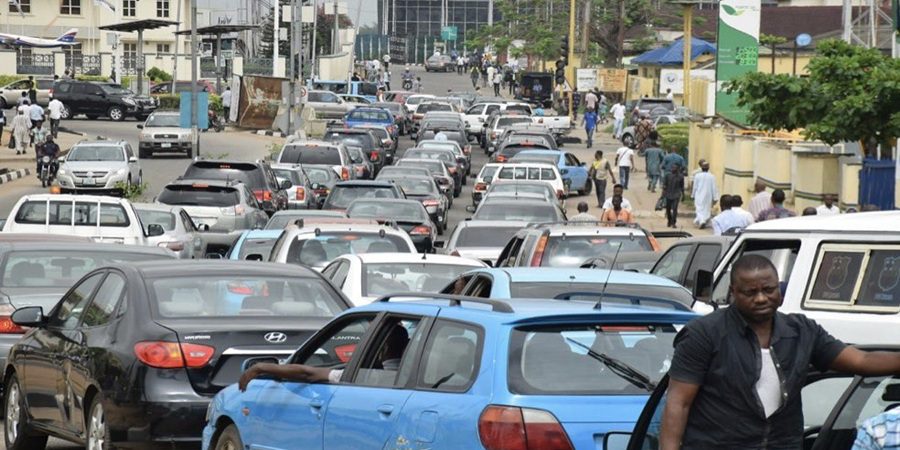
Passengers at Nigerian airports are voicing frustration over rising transportation costs and changing airport pick-up rules, with more travellers taking to social media to complain about expensive fares and limited options.
The backlash follows recent changes by the Federal Airports Authority of Nigeria (FAAN) to how commercial transport services operate at airports. The adjustments include new restrictions affecting Uber and Bolt pick-ups while FAAN works to finalise fresh operating agreements with the ride-hailing platforms, a process that has become more visible to passengers as it affects how they leave the airport after landing.
For many passengers, however, the immediate issue is not the regulatory process but the cost of getting out of the airport.
One traveller who posted on X criticised the newly introduced taxi service, questioning FAAN’s decision to restrict Uber and Bolt while launching its own FAANTaxi app. The user said FAANTaxi quoted ₦30,000 for a trip from Murtala Muhammed International Airport in Ikeja to the Radisson Blu Hotel, also in Ikeja, compared with less than ₦8,000 for an Uber ride over the same distance.
Another user on X urged travellers to give the FAAN taxi app poor ratings, arguing that a new platform would be pointless if passengers were still left with what they viewed as overpriced taxi options.
Other reactions focused on competition. One user described the development as an attempt to “kill competition,” while another said the FAAN taxi initiative would be more acceptable if passengers could still freely choose between it and existing ride-hailing platforms.
Similar read: Uber and Bolt airport ban: FAAN assures of speedy resolution
Criticism has also extended to the service’s pricing and user experience. A review of the FAAN taxi application shared online described the fares as excessive and complained about the app’s performance and customer experience. Those comments reflect individual user experiences and have not been independently verified by Technext.
FAAN recently instructed Uber and Bolt to stop operating at its airports until their licensing agreements are finalised. The directive, dated July 30, asked managers to ensure compliance. However, FAAN clarified on August 20 that it had not banned the services but was working with them to establish a framework for safety and management.
“FAAN’s Airport Car Hire Rank Management System (ACHRAMS) is not meant to compete with Uber or Bolt; rather, it’s designed to track transport operations and manage fees. Complaints about passenger solicitation prompted the need for a more structured system,” the authority said.
Despite FAAN’s explanation, passengers have continued to complain about higher taxi fares since the disruption. Reports indicate that airport taxi rides in Abuja may cost more than ₦30,000, compared with ₦20,000 for e-hailing services previously. Some travellers in Abuja are now resorting to authorised taxis after difficulties with e-hailing pick-ups, while others meet drivers outside the airport.
FAAN has said it understands the inconvenience and wants to conclude discussions with Uber and Bolt quickly, with the aim of ensuring safe and convenient transportation for passengers while maintaining effective transport management.
Read also: FAAN suspends Bolt from airport operations over concessionary issues

