Easyjet Extends Castlelake Bid Window as Apollo Offer Remains Preferred
Key Takeaways
- •Easyjet has extended Castlelake's deadline to submit a revised takeover bid to 5pm on 7 August, matching Apollo's timetable under the UK Takeover Code.
- •Apollo's indicative offer of £7.15 per share has replaced Castlelake's prior agreed bid that valued Easyjet at approximately £5.5bn.
- •Easyjet reported a 70% year-on-year decline in pre-tax profit to £85m for the quarter ending June, citing rising fuel costs and reduced travel demand.
- •Easyjet shares have surged more than 40% since the start of June but remain below Apollo's indicative offer price, reflecting market uncertainty over a binding deal.
- •A successful takeover would remove Easyjet from the London Stock Exchange, contributing to a trend of foreign acquisitions of UK-listed companies expected to exceed £40bn in total value this year.
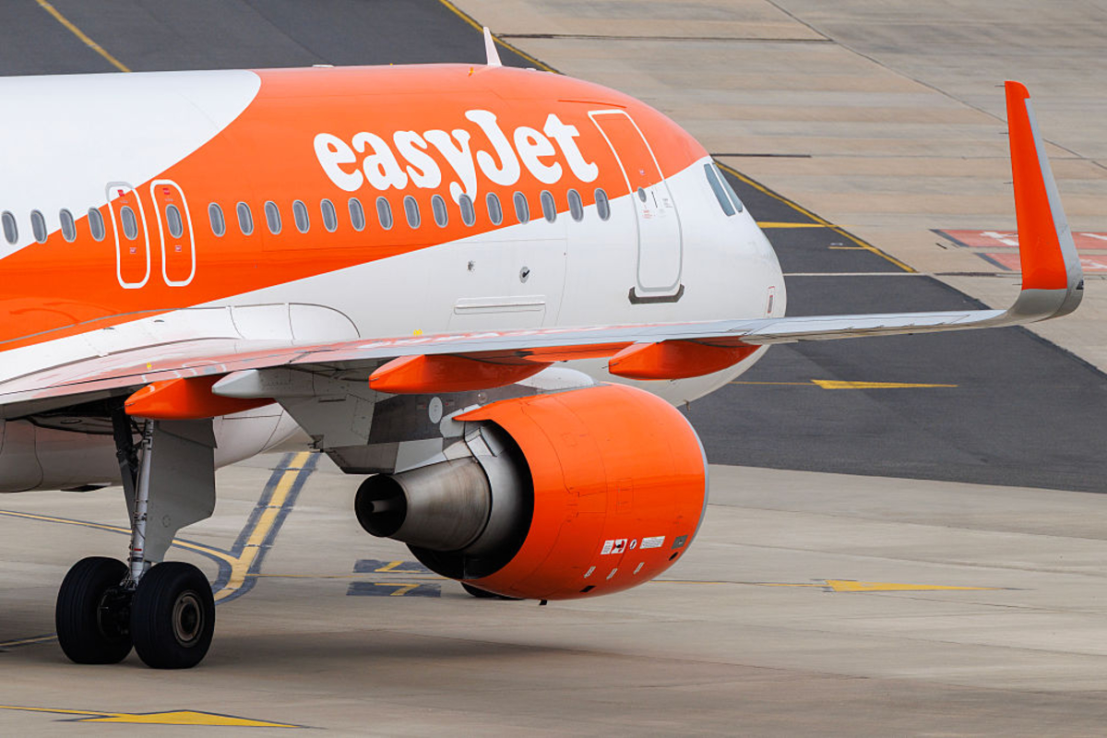
Easyjet has extended the deadline for asset manager Castlelake to submit a revised takeover bid, after investment giant Apollo trumped its initial offer last month.
The budget airline stated on Monday that it continues to intend recommending the Apollo deal to shareholders, which values its stock at £7.15 per share. However, Easyjet said it would extend Castlelake's deadline to align it with the rival bidder's timeline.
Under the prolonged timetable, both firms must either submit a firm offer for the airline or announce their intention to walk away by no later than 5pm on 7 August. Castlelake's original deadline had been 3 August. Such deadlines are set under the UK Takeover Code, which requires bidders to either formalise or abandon offers within prescribed windows to prevent prolonged uncertainty for target companies and their shareholders.
Easyjet noted that it remains unclear whether any firm offer will ultimately be made, and the announcement was released without the consent of either potential suitor.
The carrier had previously rejected multiple offers from Castlelake before agreeing to a bid that valued the airline at approximately £5.5bn, representing a 73 per cent premium to Easyjet's closing price on 29 May. That agreement has since been superseded by Apollo's higher offer.
Easyjet Shares Rally Amid Takeover Interest
Last month, Easyjet disclosed a £200m profit hit driven by soaring energy costs and a decline in travel demand linked to the Iran war.
The FTSE 250 company reported a pre-tax profit of £85m for the three months to June, a 70 per cent decline from £286m in the same period a year earlier. Passenger volume slipped by 100,000 to 25.8m.
The airline attributed the downturn partly to a 13 per cent increase in fuel cost per passenger, equating to a year-on-year cost jump of £100m.
Despite these headwinds, the takeover interest in the London-listed firm has fueled a significant stock rally. Easyjet shares have surged more than 40 per cent since the beginning of June and are now trading around the 623p mark — still a notable discount to Apollo's indicative offer price, reflecting market uncertainty over whether a binding deal will materialise.
Easyjet described Apollo's offer — from one of the world's largest asset managers — as "an attractive combination of value, strategic alignment and long-term stewardship of the business."
London Stock Market Braces for Another High-Profile Departure
A confirmed deal would result in the group departing the London Stock Exchange, adding Easyjet to a growing list of major City names to leave the bourse this year.
Earlier this year, asset manager Schroders was acquired in a deal worth nearly £10bn by American investment firm Nuveen. In June, Tate & Lyle agreed to a £2.7bn takeover by a rival American food company.
Prominent City figures have raised concerns over the accelerating wave of foreign firms acquiring London-listed companies, with the total value of such deals now set to surpass £40bn. The trend has reignited debate about the relative valuation gap between UK and US markets, with British companies frequently trading at lower multiples than their American counterparts and thus appearing attractive to overseas buyers.

