EasyJet's Over-60s Recruitment Push Is an Economic Necessity, Says Dentsu Chief
Key Takeaways
- •Since launching its over-50s recruitment initiative in 2022, EasyJet has more than doubled its cabin crew aged over 50 and quadrupled those aged over 60.
- •By 2030, half of Western Europe's workforce is projected to be over the age of 50.
- •The Centre for Ageing Better estimates that closing the employment gap for over-50s could raise GDP by at least £9bn a year and increase income tax and National Insurance contributions by £1.6bn annually.
- •Age discrimination has been unlawful in UK employment since 2006, with protections consolidated in the Equality Act 2010, yet subtle biases persist in recruitment systems.
- •The author recommends standard flexible working and reskilling with greater career mobility as immediate steps toward intergenerational workplaces.
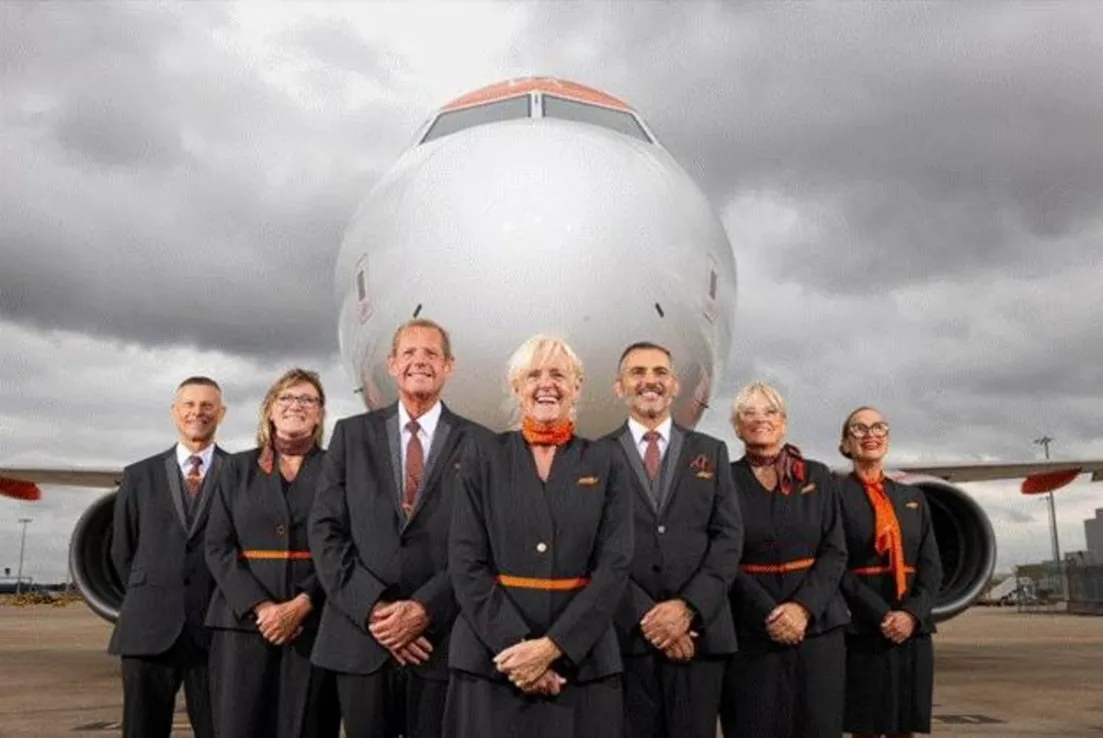
By 2030, half of Western Europe's workforce will be over 50. As EasyJet demonstrates, it is time to move past age bias in hiring, writes Annette Male, CEO at Dentsu Northern Europe.
Despite being the fastest-growing demographic, people over 50 are increasingly overlooked in the workplace. That is why EasyJet's new over-50s recruitment drive stands out as one of the most promising hiring stories in recent memory – though it should not need to be newsworthy at all. It should simply be how businesses approach hiring. The context is pressing: in the years following the pandemic, large numbers of older workers in the UK and across Europe left the labour force early, tightening labour supply just as employers faced persistent skills shortages.
Since launching its initiative to recruit older workers in 2022, the number of EasyJet cabin crew over the age of 50 has more than doubled, while those aged over 60 have quadrupled. The airline's research also found that most adults who made a career change after the age of 50 reported improved happiness. The move also came as aviation struggled to rebuild staffing after the travel sector's post-pandemic rebound, prompting airlines to widen their recruitment pools beyond traditional demographics.
This generation brings not only existing skills to the workplace but also life experience that colleagues and customers appreciate. EasyJet's former CEO acknowledged the many advantages of intergenerational teams, including the deep insight and experience valued by the youngest employees, along with a diverse range of skills and perspectives.
The economic reality of an ageing population
Businesses increasingly overlook an older pool of experienced, capable talent while simultaneously struggling with skills gaps, retention and growth. This is often framed as a talent pipeline challenge, but part of the problem lies in how hiring, development and progression have been designed. By 2030, half of Western Europe's workforce will be over 50. According to the Centre for Ageing Better, closing the employment gap for workers over the age of 50 could increase GDP by at least £9bn a year and boost income tax and National Insurance contributions by £1.6bn a year. The stakes are heightened by demographic realities: as birth rates fall and state pension ages are reviewed across Europe, extending working lives is becoming an economic question as much as a fairness one – a direction reinforced by the UK government's push to grow employment amid workforce shortages.
Across a 30-year career in the marketing industry, I have seen firsthand how stereotypes are repeatedly reinforced until they become the norm – and this is most evident in how age is treated at work. Much of the issue lies with outdated hiring systems: recruitment platforms that filter out CVs featuring career breaks, analytics tools that do not segment by age, and redundancy models that equate "experienced" with "expensive". The list goes on. Age discrimination has been unlawful in UK employment since 2006, with protections later consolidated in the Equality Act 2010, yet enforcement does not fix the subtler biases embedded in how recruitment itself operates.
The clear business case for employing older workers rests on the decades of practical experience and decision-making skills they bring, which is particularly beneficial in leadership roles. That experience brings a better understanding of customers, higher retention rates, increased loyalty and stronger leadership qualities. Yet half of UK adults feel undesirable to employers once they reach their mid-50s.
Making workplaces intergenerational
Businesses can commit to two impactful changes immediately: making flexible working standard, and – through reskilling and increased career mobility – ensuring opportunities span every stage of life. Career progression does not stop at 50; many people still want roles in which they can keep learning and developing. Beyond that, updating the outdated systems that reinforce bias is the critical next step. Employers will not be starting from scratch: frameworks such as the Age-friendly Employer Pledge, backed by the Centre for Ageing Better, already exist for organisations that want to commit publicly to multigenerational workforces.
Ultimately, this is not about favouring one generation over another. It is about recognising that businesses perform better when different generations work together. The organisations that succeed over the next decade will not be those drawing talent from a narrow pool, but those that bring together different ages and perspectives and create environments where people learn from each other.
Annette Male is CEO at Dentsu Northern Europe.
