Dubai Land Department Tokenizes Real Estate on XRP Ledger, Targeting $16 Billion by 2033
Key Takeaways
- •The Dubai Land Department has fractionalized ten real towers into 7.8 million tokens that trade on the XRP Ledger with a minimum investment of AED 2,000, roughly $540.
- •Transactions settle in 3–5 seconds, ownership changes are recorded both on the blockchain and in the traditional land registry, and the digital titles are secured by Ripple Custody.
- •Phase One minted title-deed tokens representing over $5 million in property value, while Phase Two opened controlled secondary trading, with Ctrl Alt acting as the tokenization infrastructure partner.
- •Dubai aims to tokenize 7% of its real estate market, projected at approximately $16 billion (AED 60 billion), by 2033 under the oversight of the Virtual Assets Regulatory Authority established in 2022.
- •Unlike most private-sector real estate tokenization based on fractional shares in special-purpose vehicles, Dubai's tokens represent legal title deeds issued and synchronized by a government registry.
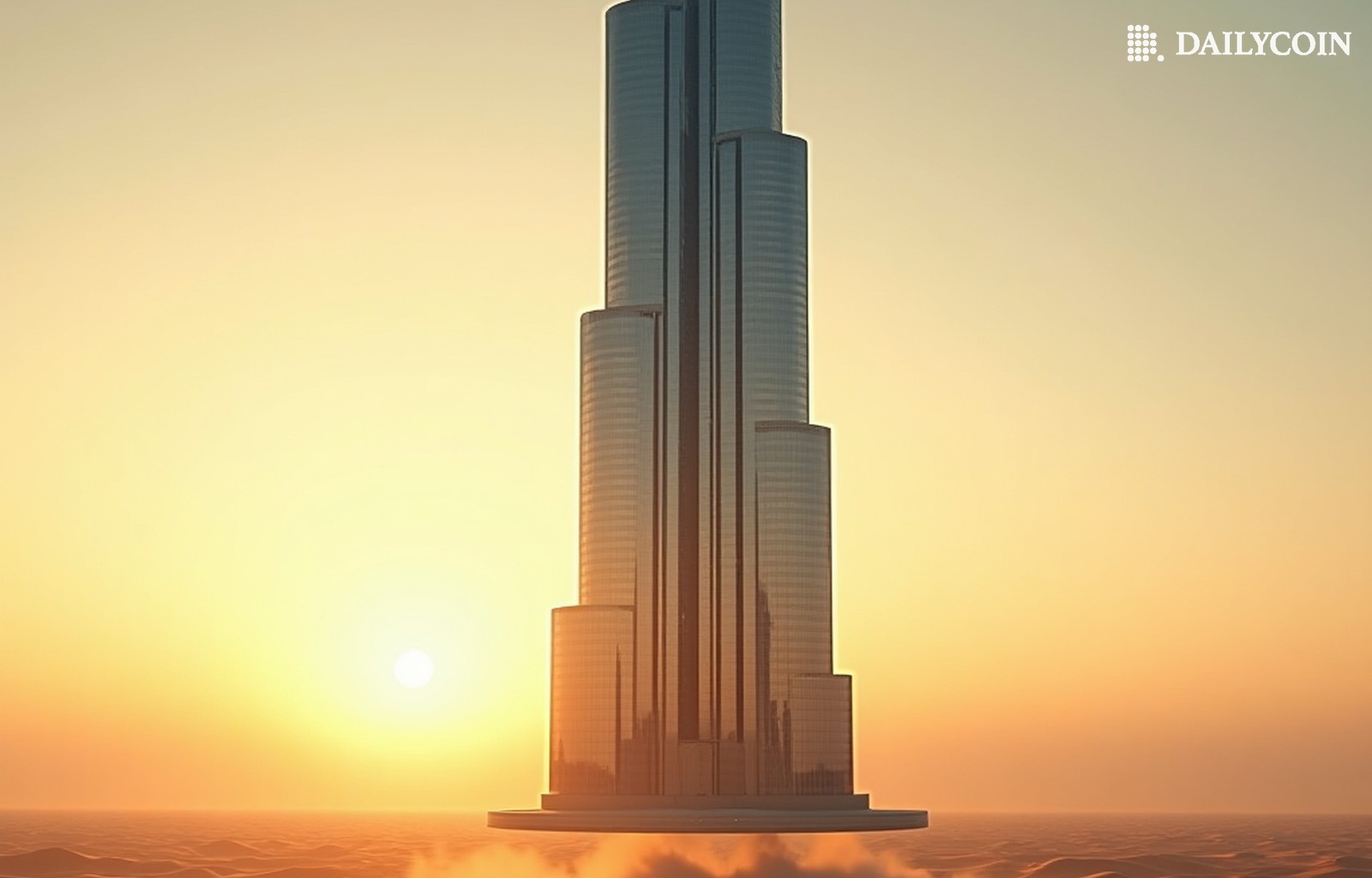
Dubai’s government-backed real estate tokenization pilot, first announced in February 2025, has fractionalized ten real towers into 7.8 million tokens, which are now available for regulated secondary-market trading with a minimum entry of AED 2,000 (approximately $540). All transactions settle in 3–5 seconds on the XRP Ledger (XRPL) and are secured by Ripple Custody.
From Pilot to a $16 Billion Ambition
This is not a private experiment. The Dubai Land Department, the official authority responsible for registering and managing real estate in the emirate, selected the XRP Ledger as the underlying rail. Phase One successfully minted the title-deed tokens, which represent more than $5 million in property value. Phase Two has opened controlled secondary trading, allowing investors to buy and resell fractional ownership while every transfer remains synchronized with the official land registry.
Dubai put its skyline on-chain. The government land registry tokenizes title deeds on the $XRP Ledger — 10 properties, 7.8M tokens, now tradable. From AED 2,000. Target: $16B of Dubai real estate by 2033. A government picked the rails. pic.twitter.com/mQxJHwoSq3
— Trensik (@Trensik_com), August 17, 2026. Post
The long-term roadmap is explicit: by 2033, Dubai aims to tokenize 7% of its real estate market, a share projected at roughly $16 billion (AED 60 billion). Scaling from the current pilot of 10 properties will involve onboarding larger volumes of title deeds, expanding the regulated distribution platforms, and growing investor participation. Fractional ownership lowers the barrier for both local and international capital, while the secondary market provides the liquidity needed to attract institutional flows. As more properties come on-chain and trading volume builds under the oversight of the Virtual Assets Regulatory Authority (VARA), the dedicated virtual-asset regulator Dubai established in 2022 under its virtual assets law, the cumulative value of tokenized deeds can compound toward the 7% target.
Current State of XRP-Based Real Estate Tokenization
The choice of XRPL is deliberate. The ledger, a public blockchain in operation since 2012, offers a decade of operational reliability, low transaction costs, and high throughput, making it suitable for high-value real-world assets that require precise, auditable records. Ctrl Alt serves as the tokenization infrastructure partner, minting and managing the deeds on-chain. Ripple Custody provides institutional-grade security for the digital real estate titles. The tokens are structured as Asset-Referenced Virtual Assets, ensuring compliance with local regulations while remaining native to the XRP Ledger.
🏙️🇦🇪 DUBAI CHOSE THE XRP LEDGER 🇦🇪🏙️ Dubai is putting real estate onchain. This isn’t a crypto experiment. Government linked property deeds are being tokenized on the XRPL with Ripple Custody supporting the infrastructure. Target: $16 BILLION by 2033. Real utility. 🚀 pic.twitter.com/LAszeLdjC8
— John Squire (@TheCryptoSquire), August 17, 2026. Post
Unlike purely speculative crypto products, these tokens represent actual legal title deeds issued by a government authority. Ownership changes are recorded both on the blockchain and in the traditional registry, creating a dual-ledger system that bridges legacy property law with blockchain efficiency. Secondary trades settle near-instantly, turning what was once a multi-week process into a matter of seconds. The pilot also lands amid a broader institutional turn toward real-world asset (RWA) tokenization: since 2024, major asset managers including BlackRock have launched tokenized money-market funds on public blockchains, and Boston Consulting Group has projected that tokenized illiquid assets could reach roughly $16 trillion by 2030. Most private-sector real estate tokenization to date has represented fractional shares in special-purpose vehicles rather than registry-synced title deeds, which is what sets Dubai’s government-registry integration apart.
Why This Matters
A sovereign land registry choosing XRPL signals confidence in the network for regulated, high-stakes use cases, and the pilot already demonstrates end-to-end functionality. Continued expansion of the property set, combined with Dubai’s broader push to establish itself as a digital-asset hub, provides a clear path for the tokenized real estate segment to reach the projected $16 billion scale by 2033.

