Throwing Everything at the Wall: DOJ's Last-Minute Campaign to Cast Doubt on the 2026 Midterms
Key Takeaways
- •The Justice Department is pursuing a late-stage campaign of lawsuits and fraud allegations aimed at undermining public confidence in the 2026 midterm elections, according to a report by The Atlantic.
- •Courts in California and Alaska dismissed the DOJ's election-related lawsuits over the weekend, and the department's claim of 20,000 fraudulent California voters relied on a database known to produce false information.
- •The DOJ has charged roughly 180 people with voting crimes since January 2025, but only about two dozen have been convicted, and many cases involve apparent honest mistakes.
- •Prosecution figures fall far below Trump administration claims of roughly 278,000 to 300,000 fraudulent registered voters, which remain unproven.
- •The department has also warned poll workers of potential prosecution for an undefined crime and opened investigations into figures including Rep. Ilhan Omar and former FBI Director James Comey.
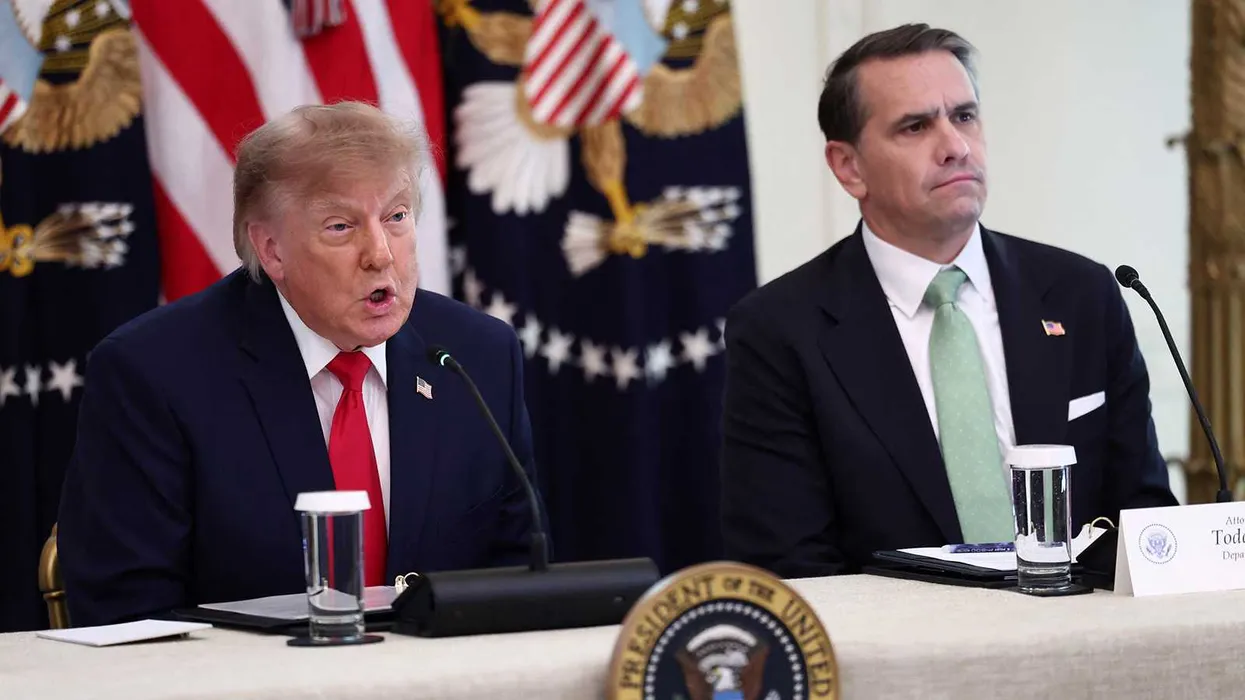
With less than 24 hours before polls open on the East Coast, President Donald Trump's plan to push back against Democrats appears designed to throw everything at the wall and see what sticks. The midterm will determine the composition of Congress for the final two years of Trump's term, with all 435 House seats and roughly a third of the Senate on the ballot.
Rather than addressing the affordability crisis, campaigning on policies Americans say they need, or deploying an "I feel your pain" message, the administration is turning to litigation — and if the lawsuits fail, to spreading claims that the election was "rigged" and illegitimate.
According to a report published Monday by The Atlantic, the Justice Department is pursuing a broad, last-minute campaign aimed at undermining public confidence in the 2026 midterm elections, alongside lawsuits that most observers expect to fail.
Legal reporter Quinta Jurecic explained that the department, this time around, is less focused on winning in court than on creating a spectacle built on allegations of fraud, Democratic misconduct, and anything else Trump supporters can use to question the 2026 results.
Over the weekend, courts in California and Alaska dismissed the DOJ's lawsuits. Election administration in the United States is largely a state and local affair, with county offices running registration and ballot counting. The department has also sought to intimidate poll workers and staff assisting county clerks' offices with ballot counting, warning they could be prosecuted for a crime that has not yet been defined. In addition, the DOJ has charged more than 100 people with alleged voting crimes, and has opened or escalated investigations involving Democratic Rep. Ilhan Omar of Minnesota, former FBI Director James Comey, and other figures reviled by the MAGA movement.
According to Jurecic, the moves echo the "election interference" Trump accused Jack Smith of committing ahead of the 2024 election — with the one exception that the Justice Department's current conduct more closely fits that description, she said. Smith is the former special counsel who led the federal investigation into Trump's efforts to overturn the 2020 election.
In California, the DOJ claimed that 20,000 voters on the state's rolls were fraudulent. But the department was working from a database known to produce false information. When California officials sorted through the list, they quickly identified dozens of people on it who are U.S. citizens and legally registered to vote.
Jurecic noted that the DOJ's voter-fraud prosecutions now total roughly 180 people, alleged to have voted illegally at some point between January 2025 and now. The department has amplified stories of arrests and broadcast mug-shot-style images, but there is one major problem: 180 people falls far short of the more than 300,000 figure cited by Homeland Security Secretary Markwayne Mullin. The numbers keep dwindling.
During his national address in July, Trump said the Department of Homeland Security had "identified approximately 278,000 noncitizens who are registered to vote in federal elections," then added, "The real number is actually much higher." The Trump administration has not been able to prove that claim or prosecute anywhere near that number of cases.
California found that many noncitizens could have been registered automatically through the state's Mobile Voter program, which signs people up to vote when they obtain a license or state-issued ID. Even among the roughly 180 people charged, only about two dozen have been convicted so far, and many cases involved what a USA Today report described as "honest mistakes."
Attorney General Todd Blanche, who previously served as one of Trump's personal criminal defense lawyers, rejected any suggestion that the DOJ is trying to influence the election, calling the idea "crazy." But Jurecic noted that Blanche also told a conservative podcaster, "I work for President Trump," and concluded that the department's conduct speaks far louder than its denials.
Trump is drawing on a familiar playbook: after his 2020 defeat, he and his allies filed dozens of lawsuits challenging the results, nearly all of which failed in court, and made fraud claims that election officials rejected. The question remains: can Trump dip into that well again — and will anyone believe his allegations of voter fraud or a "rigged" election this time?

