DOJ Urges Supreme Court to Reinstate Trump-Backed USPS Mail-Ballot Rule Before Ballots Ship
Key Takeaways
- •Solicitor General D. John Sauer filed an emergency application asking the Supreme Court to lift Judge Indira Talwani's restraining order against the USPS mail-in ballot rule.
- •The rule requires state and local election officials to obtain USPS approval of ballot envelope designs and upload each voter's name, address, and barcode to a government portal before ballots can be mailed.
- •North Carolina is scheduled to begin mailing ballots as soon as September 4, with Alabama following on September 9, creating a compressed timeline for the Court's decision.
- •Judge Talwani found that Congress made no delegation permitting the USPS to regulate election mail and that the record lacks any evidence of fraudulent absentee or mail-in voting.
- •The administration defended the rule by comparing ballots to cremated remains and replica explosives as 'sensitive' mail already subject to special USPS handling rules.
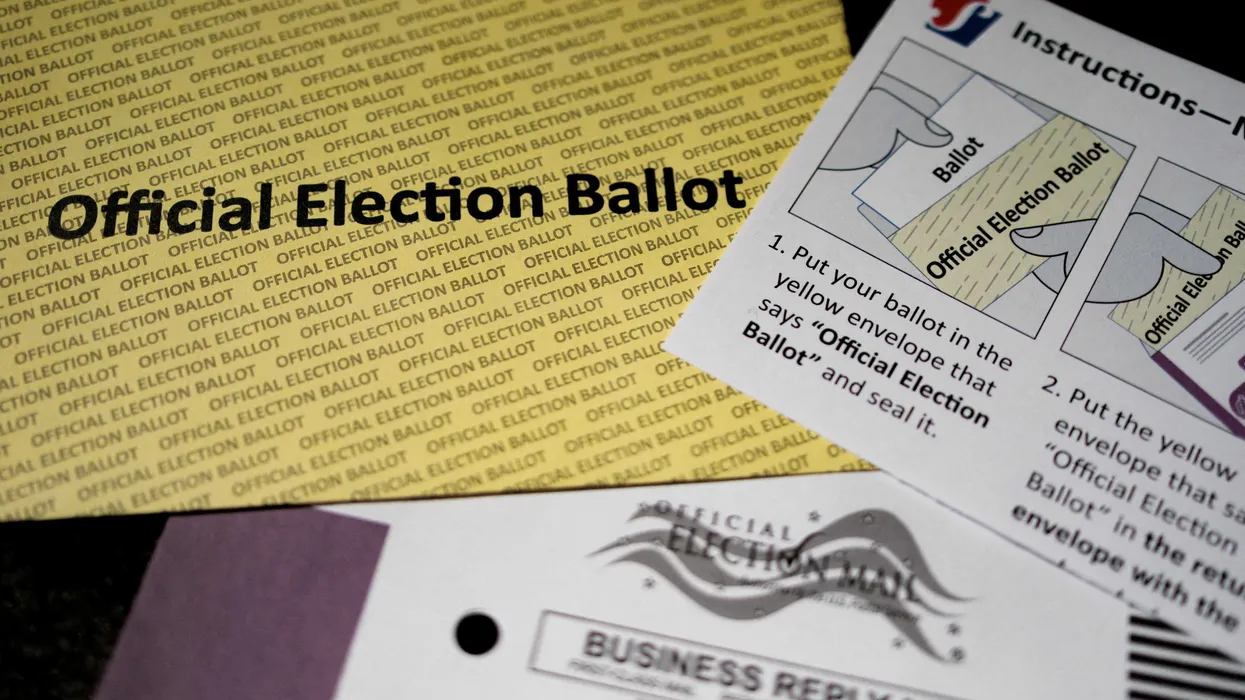
The Department of Justice has asked the Supreme Court to allow a rule that would let the U.S. Postal Service reject mail-in ballots, filing an emergency appeal as states prepare to begin sending out ballots for the November 3 midterms. The request lands on the Court's emergency, or "shadow," docket, where disputes are typically resolved on an accelerated schedule without full briefing or oral argument — a venue that has increasingly become the flashpoint for election-related litigation in recent cycles.
On Thursday, Solicitor General D. John Sauer filed the emergency application, asking the justices to lift a temporary restraining order issued last week by U.S. District Judge Indira Talwani, an Obama appointee sitting in the District of Massachusetts. Her order blocked a USPS rule that stemmed from a March executive order by President Donald Trump imposing tighter requirements on ballots sent through the mail. That executive order has already drawn multiple legal challenges from states and voting-rights groups, making the dispute part of a broader confrontation over who controls the mechanics of federal elections — a question the Constitution's Elections Clause largely assigns to states and Congress.
Timing is central to the government's request. North Carolina is set to begin mailing ballots as soon as September 4, with Alabama following on September 9, according to the application. Sauer warned that once those envelopes enter the mail, "there is no retrieving them." The compressed timeline means the justices could be asked to act within days, and whatever they decide — or decline to decide — will effectively set the operating rules for mail voting in the first states to send out ballots.
Sauer characterized the USPS rule that Talwani struck down as a light touch, telling the court it imposes "only modest envelope-design and addressee-information requirements" on ballots sent through the mail. He insisted the rule "regulates the U.S. Mail, not federal elections" and leaves states in control of determining who is eligible to vote.
Under the rule, state and local election officials must submit their ballot envelope designs for U.S. Postal Service approval and then upload each voter's name, address, and barcode into a government-run portal before any ballots can be mailed. Election officials in several states have said complying with such data-upload and design-approval requirements on short notice poses significant logistical hurdles. When officials fall short of those requirements, "the USPS will not mail ballots to voters," Talwani noted in her ruling.
The Trump administration defended the rule by comparing ballots to cremated remains and replica explosives, arguing that all are "sensitive" mail already subject to special USPS handling rules.
Talwani rejected that reasoning when she issued her restraining order. She wrote that no party had identified "any delegation Congress has made that would permit the USPS to regulate election mail," and she found the challengers were likely to prove the rule unconstitutional. The record, she added, "continues to lack any evidence regarding fraudulent absentee or mail-in voting." The case is one of several election-procedure fights working through the courts ahead of the midterms, and the justices' response here could shape how much deference federal agencies receive in setting rules that touch the voting process.
