Justice Department Refuses to Return $2,000 Restitution Payment from Pardoned January 6 Defendant
Key Takeaways
- •The Justice Department is refusing to return $2,000 in restitution paid by Felicia Konold, a pardoned January 6 defendant from Arizona.
- •The DOJ maintains that a presidential pardon does not automatically erase a conviction or trigger refunds of financial obligations already fulfilled when the conviction was final.
- •Konold pleaded guilty to obstructing law enforcement during the Capitol attack and served 45 days in prison after joining Proud Boys members in breaching police barricades.
- •The Trump administration proposed but later withdrew a $1.776 billion fund for individuals claiming to be victims of weaponized prosecutions after facing bipartisan congressional opposition.
- •A D.C. appeals court is currently reviewing legal challenges from multiple January 6 defendants that could shape the financial consequences of pardons across different procedural situations.
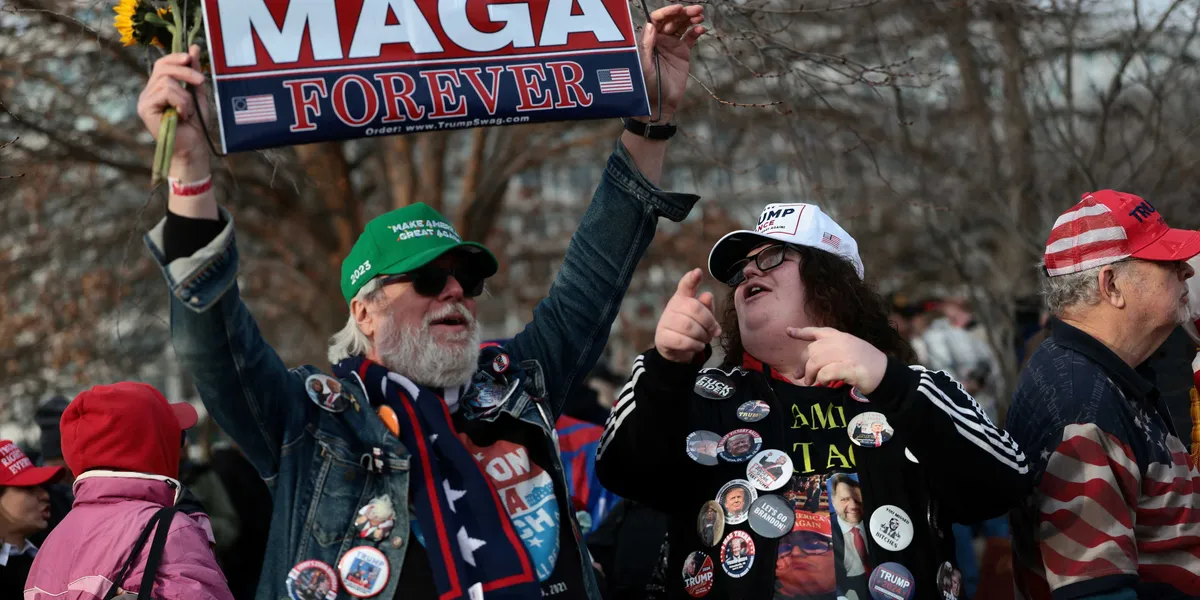
The U.S. Justice Department is refusing to return $2,000 in restitution paid by Felicia Konold, an Arizona resident who was convicted for her role in the January 6, 2021 breach of the U.S. Capitol and subsequently received a presidential pardon from President Donald Trump.
According to a CNN report published Friday, the DOJ contends that Konold's conviction was final at the time she received the pardon and has not been formally vacated, and therefore the restitution she paid need not be returned. The position reflects a longstanding legal distinction: a presidential pardon forgives punishment and restores rights, but it does not by itself erase the underlying conviction or automatically trigger refunds of financial obligations already satisfied.
Konold pleaded guilty to obstructing law enforcement during the Capitol attack and served 45 days in prison. She had joined members of the Proud Boys in breaching police barricades outside the Capitol building on January 6.
The Justice Department has drawn a distinction between January 6 defendants whose appeals were still pending when they received pardons — and who have been permitted to drop outstanding restitution payments — and individuals like Konold, whose convictions had already become final before the pardon was issued. Restitution ordered in January 6 cases has typically been directed toward entities such as the Architect of the Capitol and the U.S. Capitol Police for physical damage and related costs incurred during the breach.
This approach has drawn scrutiny given the Trump administration's concurrent effort to establish a $1.776 billion fund that would have compensated individuals described as victims of "weaponized prosecutions." That proposal attracted bipartisan criticism in Congress. The Senate applied pressure on acting Attorney General Todd Blanche to withdraw the fund, which has since been rescinded. Blanche suggested that individuals claiming to have been unjustly prosecuted should instead pursue civil lawsuits.
Meanwhile, a D.C. appeals court is currently considering related legal challenges brought by multiple January 6 defendants over restitution and pardon-related disputes. How the court resolves those cases could shape the practical financial consequences of the pardons for defendants across different procedural postures.
The January 6, 2021 attack on the U.S. Capitol occurred after a rally held by then-President Trump, during which a crowd of his supporters breached the building in an attempt to disrupt the certification of the 2020 presidential election results. More than 1,500 individuals have been charged in connection with the events of that day. Trump issued pardons for numerous January 6 defendants following his return to office.
