DOJ Seeks to Revive Case Against David Hearn After Admitting It Cannot Prove Reflecting Pool Damage
Key Takeaways
- •D.C. Superior Court Judge Todd Edelman dismissed David Hearn's indictment last month and on Friday weighed dismissing the case with prejudice, which would permanently bar reprosecution on the same charge.
- •The Justice Department conceded it cannot prove beyond a reasonable doubt that Hearn damaged the Reflecting Pool.
- •The Trump administration admitted the Reflecting Pool damage resulted from a botched installation, including sealant over-spray and a National Park Service engineer cutting the sealant, rather than vandalism.
- •Assistant U.S. Attorney Michael Spence said the DOJ is not currently investigating Hearn but added that the decision could change at any time.
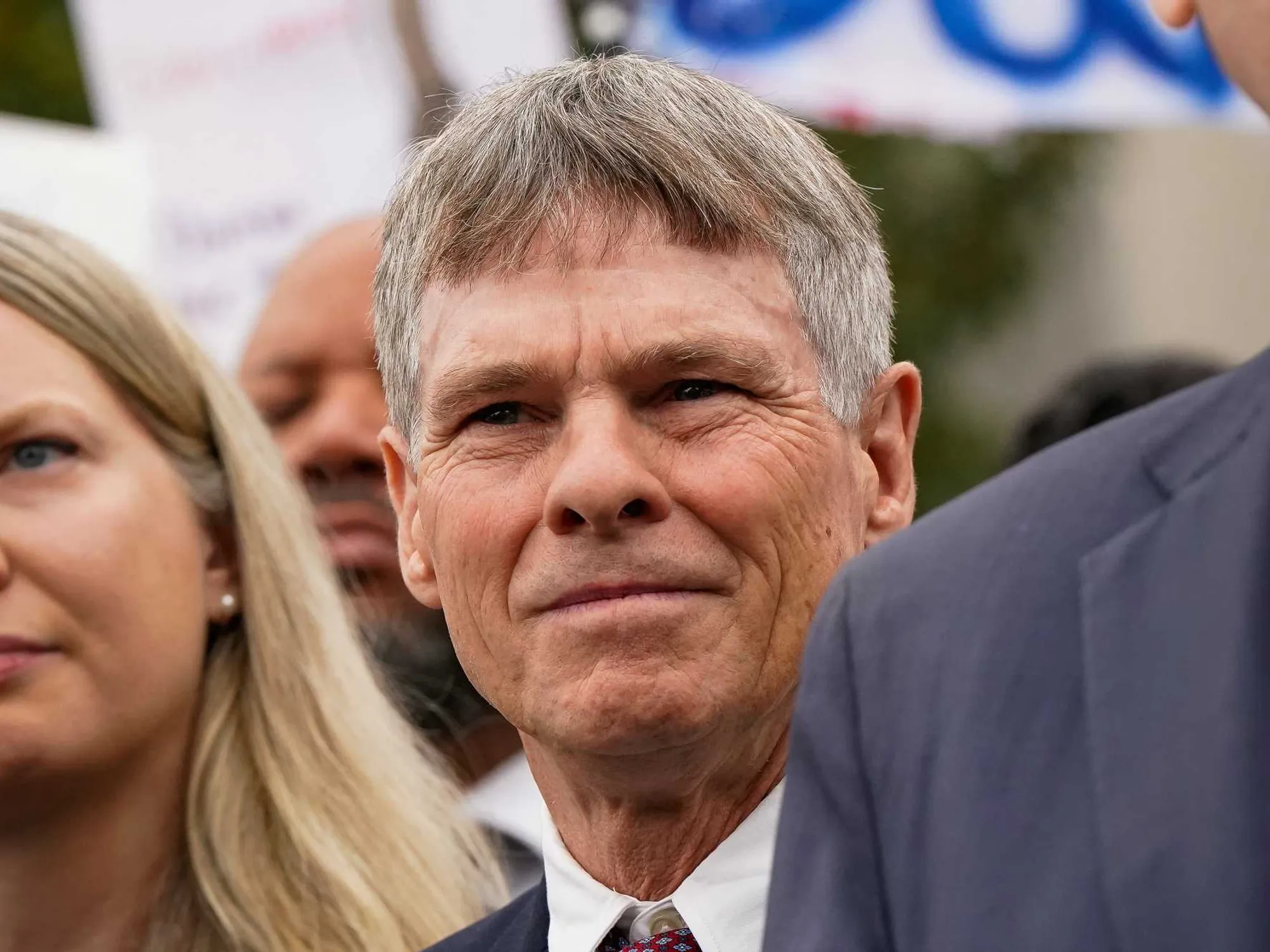
The Justice Department is attempting to revive its prosecution of David Hearn despite conceding that it cannot prove he damaged the Reflecting Pool — an admission that legal analyst Adam Klasfeld described as potentially fatal to the government's case.
Klasfeld, writing for All Rise News, provided updates on the DOJ's efforts after D.C. Superior Court Judge Todd Edelman grilled prosecutors during a hearing on Friday. According to Klasfeld, the DOJ's concession that it cannot prove beyond a reasonable doubt that Hearn damaged the Reflecting Pool has proved "fatal."
Edelman pressed DOJ prosecutors on why they want to bring the case against Hearn back. "Why isn't the threat of harassment faced by Mr. Hearn completely different from prosecutions in a normal case?" the judge asked, per Klasfeld.
Last month, Edelman dismissed Hearn's indictment after admissions by the Trump administration made the case unsustainable, Klasfeld noted. On Friday, Edelman considered throwing out the case against Hearn "with prejudice," which would bar the DOJ from ever again bringing charges against Hearn for allegedly damaging the Reflecting Pool, according to Klasfeld. Under standard criminal procedure, a dismissal entered with prejudice operates as a final resolution on the merits, foreclosing reprosecution on the same charge, whereas a dismissal without prejudice leaves the door open for the government to refile.
The Trump administration has already conceded that the damage to the Reflecting Pool resulted from a "botched installation and not vandalism," Klasfeld wrote. The peeling of the pool's sealant was caused by an "over-spray," and a National Park Service engineer cut the sealant with a knife to contain the damage — admissions Klasfeld attributed to the Trump administration. The National Park Service, a federal agency within the Interior Department, maintains the National Mall and its monuments, including the Lincoln Memorial Reflecting Pool.
A felony vandalism charge requires proof of at least $1,000 in damages, a threshold Edelman appeared to weigh during Friday's hearing, Klasfeld noted. In the District of Columbia, felony destruction of property prosecutions are typically handled in D.C. Superior Court, where local criminal charges are brought by the U.S. Attorney's Office for the District of Columbia rather than a local district attorney.
"The Justice Department concedes it cannot prove that prong of the case beyond a reasonable doubt," Klasfeld wrote. "And that concession seemed fatal to the judge."
Edelman also asked prosecutors, "What future prosecution could ever occur?" Assistant U.S. Attorney Michael Spence responded that answering the question would require "speculation."
When asked whether the DOJ is currently investigating Hearn, Spence said, "No," but added, "Ten minutes from now that decision could change."
