Former DHS Official Miles Taylor Warns of 'Major Cyber Upheaval' as Agency Runs on 'Threadbare Staff'
Key Takeaways
- •Miles Taylor, who served as DHS Deputy Chief of Staff during Trump's first term, warned in a Substack essay that a major cyber upheaval is imminent while the department's cyber defenses have been dismantled.
- •Outages over the past week disrupted the FAA, the NSA, and banking platforms, halting air travel, damaging the economy, and raising concerns about potential AI-driven cyber threats.
- •Thousands of CISA staffers were pushed out under former DHS Secretary Kristi Noem, and Secretary Markwayne Mullin could not give lawmakers specifics about rehiring at a Wednesday congressional hearing, though even Republicans sought more information.
- •Cyber and AI specialists still inside DHS are forgoing private-sector pay that Taylor says could reach $2 million a year, staying on government salaries because they refuse to leave their posts before a feared cyber crisis hits.
- •According to Taylor, former CISA Director Christopher Krebs was dismissed via tweet after declining to support Trump's claims that the 2020 election was rigged.
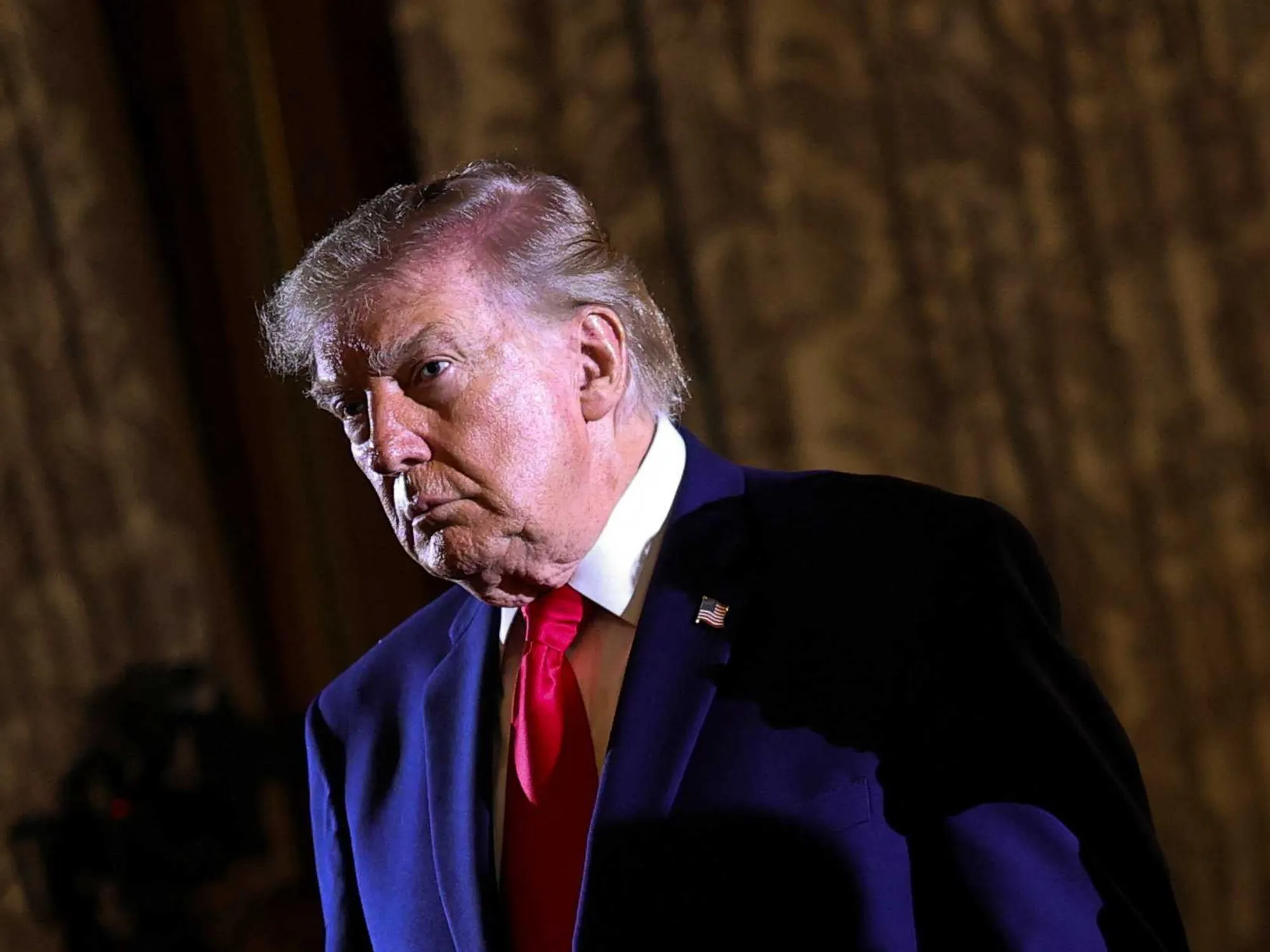
A Department of Homeland Security insider warned on Thursday that a "major cyber upheaval" is fast approaching while President Donald Trump has gutted the programs charged with combating such threats — leaving the specialists still on the job deeply worried.
According to Miles Taylor, who served as DHS Deputy Chief of Staff during Trump's first term and became widely known for leaking White House secrets at the time, tech experts within the department are afraid to quit their jobs because "the big one is coming." They are concerned that the president has left the agency understaffed and unprepared to protect the country from rising digital dangers. In an essay published on Substack, Taylor argues that the cyber defense agency Trump tore apart now "runs on a threadbare staff because he ripped it to pieces over a six-year-old grudge."
The warnings come in the wake of a series of system outages over the past week involving the FAA, the NSA, banking platforms and other critical systems, which halted air travel, hammered the economy and potentially diminished national security. The White House has struggled to provide a clear explanation or a consistent message about the disruptions, which have raised concerns about potential AI-driven cyber threats. As those worries mounted, Trump was on the other side of the world telling Americans to "relax." According to Taylor, the agency's previous director, Christopher Krebs, was fired via tweet after declining to back Trump's claims that the 2020 election was rigged.
At a congressional hearing on Wednesday, DHS Secretary Markwayne Mullin was asked whether pushing out the department's tech experts had been a mistake, but he shrugged off the question, saying he "wasn't there" when it happened. As Politico reports, even Republicans at the hearing indicated they wanted more information about staffing decisions at the Cybersecurity and Infrastructure Security Agency (CISA), which DHS oversees. Created in 2018, CISA is the federal government's lead agency for defending civilian networks and coordinating the protection of critical infrastructure, from transportation systems to banking platforms — sectors swept up in the past week's outages. Under previous DHS Secretary Kristi Noem, thousands of CISA staffers were pushed out, and Mullin could not provide lawmakers with specific answers about rehiring at the agency, which Politico confirms has seen significant cuts under the second Trump administration. Separately, the White House has reportedly concluded that Mullin has done such a poor job speaking for the administration that he has been placed on "timeout" from making television appearances.
In Taylor's estimation, none of this is "confidence inspiring." He notes that some "good guys" remain inside DHS, but for a disconcerting reason. "I've been talking to a few of the AI and cyber experts left inside DHS," Taylor writes. "They could walk out tomorrow and make $2 million a year in the private sector. Easily. But they're staying inside on government salaries because they believe a major cyber upheaval is coming, and they can't stand the thought of nobody being at their posts when it hits."
The pay gap Taylor describes reflects a longstanding reality of federal cybersecurity: the expertise the government most needs is the expertise the private sector prices highest. The concrete item to watch is whether the administration supplies the CISA rehiring specifics lawmakers pressed for on Wednesday — the first public measure of how much capacity remains at the agency Taylor calls threadbare.

