Democrats' 2026 Midterm Wins May Not Shield Washington, D.C. From Trump's Agenda, Analyst Warns
Key Takeaways
- •Democrats are set to take control of both the House and the Senate in January 2027 following their victories in the 2026 midterm elections.
- •Under the Constitution, Congress holds ultimate legislative authority over Washington, D.C., including control of its budget and laws, even though the city has had an elected mayor and council since 1973.
- •Mark Fisher argues that Democrats have historically been unreliable allies on District priorities such as restoring the city's budget, protecting federal parks and buildings, and achieving statehood.
- •Fisher warns that Trump's electoral defeat could accelerate execution of his development agenda — including plans for the Kennedy Center, East Potomac Park golf course, and a proposed arch and monument — during the period before the new Congress is seated.
- •Rep. Joyce Beatty is the only House member Fisher identifies as having devoted herself to protecting the Kennedy Center amid the Trump administration's efforts to rebrand it.
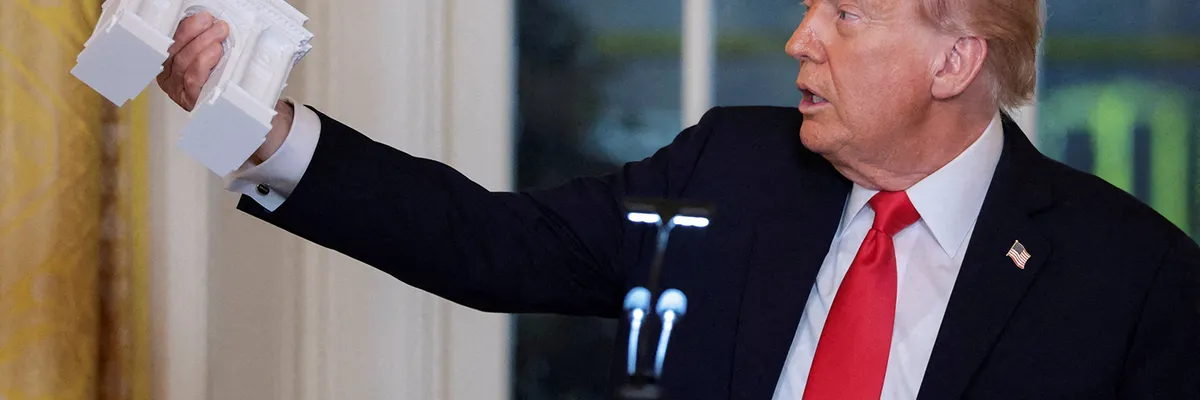
Many Washington, D.C., residents had hoped that Democrats' historic victories in the 2026 midterm elections would bring relief from President Donald Trump's pressure on the city's cultural institutions and landmarks. But according to Mark Fisher of City Cast, protecting the District may not be an immediate political priority for the incoming congressional majority.
Concerns are mounting in the nation's capital as Trump's proposed arch and monument remain in limbo, and the future of the Kennedy Center — the capital's flagship performing arts institution — remains unknown.
Democrats are set to take control of both the House and the Senate in January 2027, and city leaders believe they will then have a better chance of reversing some of the damage attributed to the Trump administration. That majority carries unusual weight in Washington: under the Constitution, Congress holds ultimate legislative authority over the District, including its budget and laws. Among local priorities are restoring the city's budget, protecting federal parks and buildings, expanding affordable housing, and advancing the push to make Washington, D.C., the 51st state rather than remaining a federal district.
Fisher cautions, however, that with limited time remaining in office, Trump's electoral defeat could escalate his aggression and accelerate execution of an agenda already in motion — putting the months between the election and the seating of the new Congress squarely in focus. The president's well-documented interest in construction, development, and grandiose architectural projects — advanced despite widespread objection — could take on added priority, Fisher believes.
He also asserts that, despite their newfound congressional power, Democrats have historically been unreliable allies of Washington, D.C., residents' wishes. On the Kennedy Center, Fisher notes that Rep. Joyce Beatty is the only House member who has devoted herself to protecting the institution amid Trump's efforts to rebrand it. He further argues that Democrats may avoid confronting Trump's plans for the East Potomac Park golf course, because golf is often aligned with an image of high status they do not wish to be associated with.
The District's unusual congressional standing compounds its vulnerability. The city has had an elected mayor and council under home rule since 1973, yet Congress retains the power to overturn its local laws. And unlike residents of states across the country, D.C. residents pay federal taxes and are able to serve in the military, yet they lack voting representation in Congress — leaving the city exposed to political decisions made by lawmakers whose priorities do not align with theirs.
Fisher jokes that a few small victories could still materialize, such as removing Trump's name from places whose renaming left many people scratching their heads. His personal favorite candidate for a name change is the Donald J. Trump Institute of Peace.
While legal victories may become possible once January arrives, Fisher says residents must unite and develop a clear plan to protect the District and preserve the city they want to see. Whether the incoming Congress takes up the city's priorities — from budget restoration to statehood — will be an early measure of Fisher's warning. He is firm on one point: it is up to D.C. residents themselves to organize and serve as vocal advocates to save the nation's capital.
This article is based on reporting published by Alternet.

