DBS and Citi Complete 24/7 Cross-Border USD Payment Using Tokenized Deposits, Settling in Minutes
Key Takeaways
- •The tokenized-deposit payment settled in a couple of minutes versus up to two business days for traditional cross-border transfers.
- •The transaction ran on September 5 over a weekend through Swift's Digital Ledger, connecting Singapore and the United States.
- •Unlike stablecoins, tokenized deposits remain on commercial bank balance sheets and stay within the regulated banking system.
- •The G20 has endorsed a BIS-developed roadmap targeting cheaper, faster, and more transparent cross-border payments by 2027.
- •DBS cites forecasts that Asia's outbound payments will reach $24 trillion by 2033, nearly double the $13.5 trillion recorded in 2025.
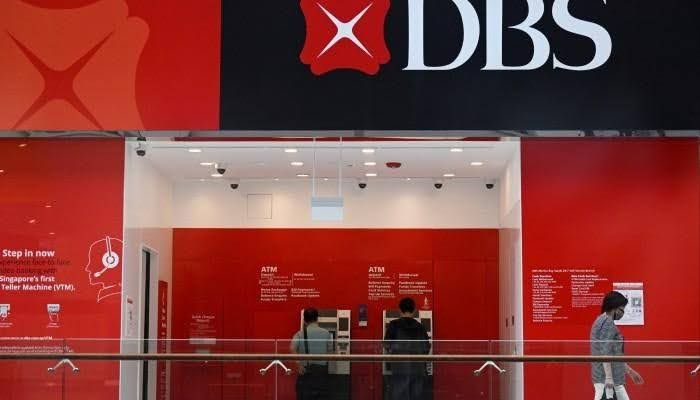
DBS and Citi have successfully completed a live cross-border USD payment using tokenized deposits, marking a significant milestone on the path toward "always-on" banking. On September 5, the transaction was processed over the weekend through Swift's Digital Ledger, connecting Singapore and the United States. The achievement demonstrates how blockchain-based infrastructure can enable institutions to move money across borders without being constrained by traditional banking hours.
Weekend Payments Become a Reality
The payment settled in just a couple of minutes — a substantial improvement over traditional cross-border transfers, which can typically take up to two business days. For multinational enterprises, delayed settlements create liquidity challenges when payments occur outside business hours or span multiple time zones. By using tokenized deposits, DBS and Citi demonstrated that funds can flow around the clock, 24/7, including on weekends.
Citi described the successful transaction as an example of how cross-border payments can happen today, rather than being a distant vision of the future.
Speeding up cross-border payments is also an established policy priority: the G20 has endorsed a roadmap, developed with the Bank for International Settlements, that sets quantitative targets for making cross-border payments cheaper, faster, and more transparent by 2027.
Tokenized Deposits Gain Institutional Momentum
Unlike stablecoins, tokenized deposits are a digital form of a commercial bank deposit and therefore remain part of the regulated banking system. Because they stay on bank balance sheets, they are generally treated as an extension of existing deposit relationships rather than as a separate asset class, which shapes how banks such as DBS and Citi position them to corporate clients.
Swift Connects Traditional Banking with Digital Networks
The transaction was conducted through Swift's Digital Ledger, a new system that combines the capabilities of existing banking networks with emerging tokenized financial networks. This approach allows banks to use blockchain to settle transactions without compromising on compliance, interoperability, or existing banking arrangements.
The development also reflects growing institutional interest in tokenized money. According to DBS, 50% of finance decision-makers are already researching how to adopt blockchain-based tools to improve foreign exchange and liquidity management.
Growing Demand for Faster Global Payments
Cross-border payment volumes continue to grow rapidly, particularly in Asia. According to DBS, industry forecasts project outbound payments from Asia to other regions will reach $24 trillion by 2033 — nearly double the $13.5 trillion recorded in 2025. As transaction volumes grow, financial institutions are seeking infrastructure that facilitates the real-time tracing of capital across jurisdictions.
The recent payment forms part of DBS' wider digital asset agenda, which encompasses tokenized treasury solutions and related efforts such as the DBS Token Services platform. It also helps cement the concept of tokenized deposits as a potential bridge between the traditional banking system and blockchain-powered finance.
The ability to transfer USD funds around the world within minutes — even outside business hours and across time zones — may represent one of the most practical use cases for tokenized finance for banks, corporates, and their treasury teams.
