Dave Ramsey highlights three money mistakes he says callers keep making
Key Takeaways
- •Dave Ramsey advises against purchasing property with anyone other than a spouse due to the difficulty of separating assets and the lack of legal protections unmarried partners may face.
- •Approximately 31.5% of home purchases involve co-buyers, according to a report from Co-Buy, reflecting how rising prices and mortgage rates have pushed buyers toward shared ownership arrangements.
- •The national student loan burden exceeds $1.6 trillion, making miscalculating a degree's return on investment a significant long-term financial setback for many borrowers.
- •The average cost of a new car reached $49,614 as of April, with average monthly new-car payments exceeding $700, according to Kelley Blue Book.
- •Ramsey recommends buying used vehicles and warns that receiving an insurance payout after a totaled car should not justify upgrading to a more expensive, financed vehicle.
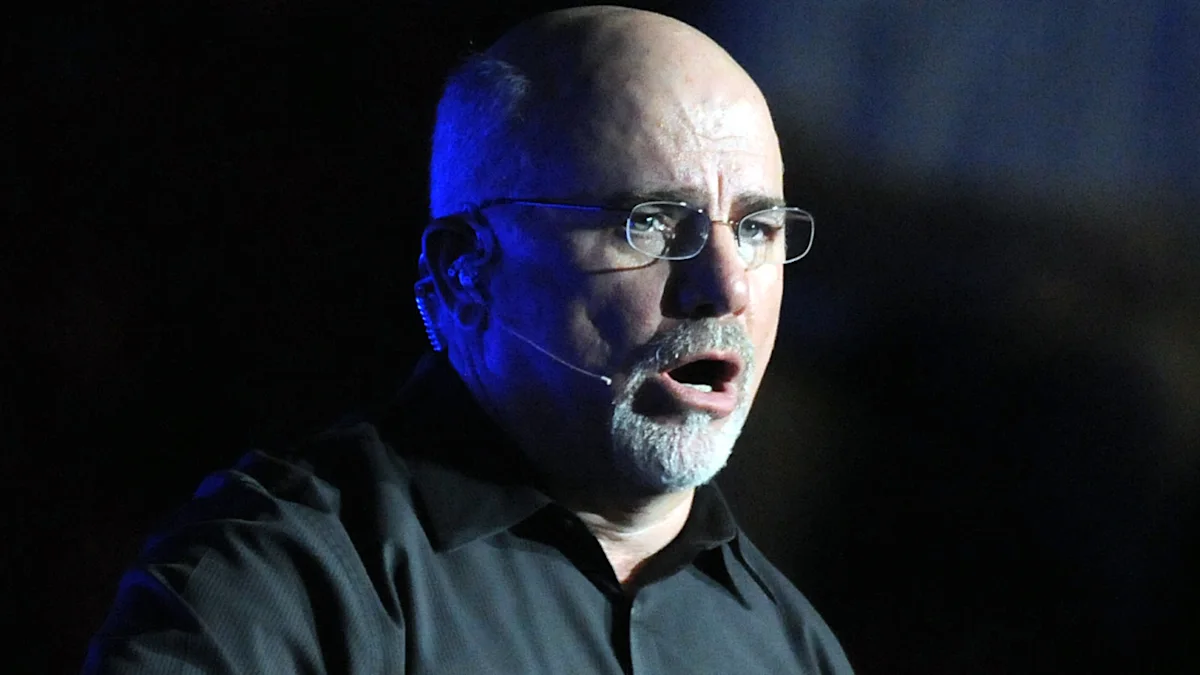
Dave Ramsey has spent 32 years offering financial advice on the airwaves, and he says he has seen nearly every kind of money mistake. On an episode of "The Ramsey Show," he described some of the errors callers regularly make as "Dumb! Really dumb!"
"These things baffle me, that's why I'm hitting them," Ramsey said (1). "Because they're just illogical."
Some observers argue that broader economic and social changes have made certain mistakes more common. Still, Ramsey has repeatedly pointed to three habits he considers especially costly.
1. Co-buying property
Ramsey strongly dislikes the idea of buying property with anyone other than a spouse. He advises against it even for people in long-term relationships.
His warning is based on the difficulty of separating assets when an unmarried couple splits. Unmarried partners do not always have the same property rights as married couples.
At the same time, the housing crisis has led more people to consider co-ownership. A report from Co-Buy, a platform that helps multiple buyers share a property, says 31.5% of home purchases involved co-buyers (2). That figure reflects how rising home prices and elevated mortgage rates have stretched affordability to levels not seen in decades, pushing buyers toward arrangements they might not otherwise choose.
For people who are not in a position to buy a home, whether alone or with a spouse, there are still ways to gain exposure to real estate's income potential.
One option is investing in shares of rental properties through Arrived. Backed by investors including Jeff Bezos, Arrived lets users buy shares of rental properties and earn passive income without the responsibilities of managing a rental themselves. That means no midnight calls about a clogged sink.
To begin, investors can browse vetted properties selected for their potential appreciation and income generation. Once a property is chosen, investing can start with as little as $100, and monthly dividends may be earned.
2. Wasteful spending on education
Ramsey has said education should be an investment that leads to higher earnings. If it does not, he views it as a waste.
"Don't spend $250,000 getting a master's degree in sociology so you can be a caseworker for the state making $38,000," he said.
His view is that students should think realistically about career prospects and future income before taking on college debt. That advice comes amid a national student loan burden that exceeds $1.6 trillion, making the cost of miscalculating a degree's return a long-term financial setback for many borrowers.
One way to reduce the burden of paying for education is to save in advance, either for yourself or for your children, using a high-interest savings vehicle such as a certificate of deposit or another high-yield savings account.
A certificate of deposit, or CD, pays a fixed interest rate on money kept for a set period. CD rates are usually higher than those of standard savings accounts, but withdrawing money early can trigger a penalty fee.
Because education savings are usually long-term, CDs can be a useful option for people who want to avoid the temptation to withdraw funds too early.
For savers looking for predictable growth, CD Valet says it can help identify higher-yield options. The platform tracks more than 40,000 verified rates from FDIC-insured banks and NCUA-insured credit unions nationwide and displays publicly available rates, with continuously updated data to help users shop, compare and open CDs.
Another possibility is a high-yield account. These accounts typically offer rates that can outpace inflation while keeping money accessible until education funds are needed. They can also serve as emergency funds because of their liquidity.
Wealthfront Cash Account is one example. It offers a base APY of 3.30% through program banks, and new clients can receive an additional 0.75% boost for the first three months on up to $150,000, for a total variable APY of 4.05%.
That is 10 times the national deposit savings rate, according to the FDIC's July report.
Wealthfront is also offering new clients who enable direct deposit of at least $1,000 per month into their Cash Account and open and fund a new investment account an additional 0.25% APY increase with no expiration date or balance limit, bringing the APY to as high as 4.30%.
The account has no minimum balance or account fees, offers 24/7 withdrawals and free domestic wire transfers, and provides access to up to $8 million in FDIC insurance eligibility through program banks.
3. Upgrading cars
Ramsey says that even a totaled car is not a good reason to move up to a more expensive vehicle. He has long advised people to buy used cars when possible.
"You were driving a $6,000 car," he said, referring to a caller's situation. "Your car gets totaled, you get a check for $6,000 and, suddenly, $6,000 cars aren't good enough for you. That's dumb!"
Still, the high price of vehicles can make this mistake difficult to avoid. According to Kelley Blue Book, the average cost of a new car in April was $49,614 (3), before monthly expenses such as insurance. With the average new-car monthly payment hovering above $700, stepping up from a paid-off vehicle to a financed one can add years of obligation that compound the initial sticker shock.
If a new car is truly necessary for work or family reasons, Ramsey-style budgeting aside, it may make sense to compare rates before buying. Insurance remains a monthly expense long after the car loan is paid off.
Using a comparison platform like Insurify can let consumers instantly view quotes from top-rated providers and avoid paying a hidden "loyalty tax" to an existing insurer.
After answering a few basic questions, Insurify says it can show affordable deals in as little as three minutes. The service is free, and users may save up to 15% by bundling car and home insurance.
Article sources
We rely only on vetted sources and credible third-party reporting. For details, see our editorial ethics and guidelines.
The Ramsey Show Highlights/ YouTube (1); Cobuy (2); Kelley Blue Book (3)
This article provides information only and should not be construed as advice. It is provided without warranty of any kind.
