Cook Political Report Shifts Nebraska and Florida Senate Races Toward Challengers for 2026
Key Takeaways
- •The Cook Political Report now views the 2026 Senate contests in Nebraska and Florida as more competitive, moving both toward the challengers while Republicans still hold the upper hand.
- •Independent first-time candidate Dan Osborn has narrowed the polling gap against appointed Senator Pete Ricketts, who took office in 2023 and kept the seat through a 2024 special election.
- •Osborn previously ran for Nebraska's other Senate seat in 2024 and finished within single digits of Republican incumbent Deb Fischer in a state Republicans usually win by wide margins.
- •In Florida, appointed Senator Ashley Moody, a former two-term attorney general, leads Democratic state Representative Angie Nixon in her first campaign for the office.
- •The ratings shift carries weight because the 2026 midterms will determine control of a Senate in which Republicans hold only a narrow majority.
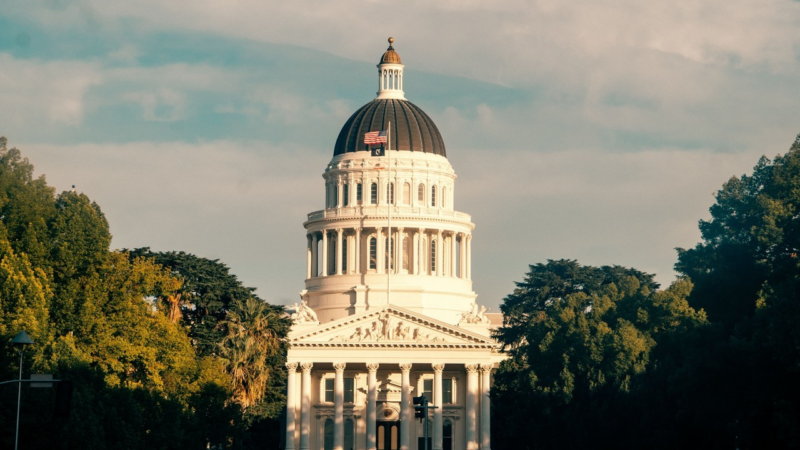
The Cook Political Report has revised its outlook for the 2026 Senate races in Nebraska and Florida, shifting both contests toward the challengers even as the incumbent Republicans retain the overall advantage. The nonpartisan Cook Political Report publishes race ratings followed closely by campaigns and analysts as a barometer of competitiveness, placing contests on a scale that runs from Solid to Toss-up, so a shift toward a challenger signals that analysts see a race tightening even when the incumbent's edge remains intact. The adjustments appear to reflect growing momentum for the campaigns looking to unseat the incumbents and may point to a more dynamic electoral environment in two states that have traditionally favored Republicans. That dynamic carries added weight because the 2026 midterms will determine control of a Senate in which Republicans currently hold a narrow majority, and unexpectedly competitive contests in reliably Republican-leaning states would broaden the map both parties must track.
Nebraska: Narrow Polling Gap
The Nebraska contest between Republican Senator Pete Ricketts and independent Dan Osborn is showing a particularly narrow polling gap, indicating a potentially more competitive race. Ricketts, a former two-term governor of Nebraska, was appointed to the Senate in 2023 after Ben Sasse's resignation and won a special election in 2024 to keep the seat. Osborn, a political independent and first-time candidate, ran for Nebraska's other Senate seat in 2024 and came within single digits of defeating incumbent Republican Deb Fischer, a showing that stood out in a state Republicans typically carry by wide margins. Cook's revision suggests momentum is building behind Osborn's campaign, though the incumbent still holds the edge in the updated assessment.
Florida: Moody Leads, Race Under Watch
In Florida, Republican Senator Ashley Moody continues to lead Democratic challenger Angie Nixon, but the race remains closely watched as the 2026 contest develops. Moody, who served two terms as Florida's attorney general, was appointed to the Senate in January 2025 to fill the seat vacated when Marco Rubio left to become Secretary of State, making the 2026 cycle her first time on the ballot for the office. Nixon, a Democratic member of the Florida House representing Jacksonville, is mounting the challenge to the appointed incumbent. The Cook adjustment reflects increased attention to potential shifts in voter sentiment, even as the incumbent maintains her lead.
What to Watch
Observers will be monitoring any further polling shifts or campaign developments that could influence the two races as Election Day approaches. In Nebraska, attention will focus on whether Osborn can maintain or extend his momentum against Ricketts. In Florida, the dynamics between Moody and Nixon will be critical, especially if new polling points to changes in voter preferences. Additionally, national political developments or endorsements could also significantly affect both contests, potentially altering the current outlook.

