Colombia Declares State of Emergency After 7.4-Magnitude Earthquake Kills at Least 111
Key Takeaways
- •A 7.4-magnitude earthquake centered in Colombia's Choco region killed at least 111 people and injured 87 others across western Colombia.
- •President Abelardo de la Espriella, who had been appointed just three days earlier, declared a state of emergency in response to the disaster.
- •The Risaralda region surrounding Pereira suffered the highest confirmed casualties with at least 40 deaths reported by local authorities.
- •The European Union activated its Copernicus satellite service to assist with rescue operations as international aid offers arrived from multiple countries.
- •Six small airports in western Colombia suspended operations and national football matches were postponed following the earthquake.
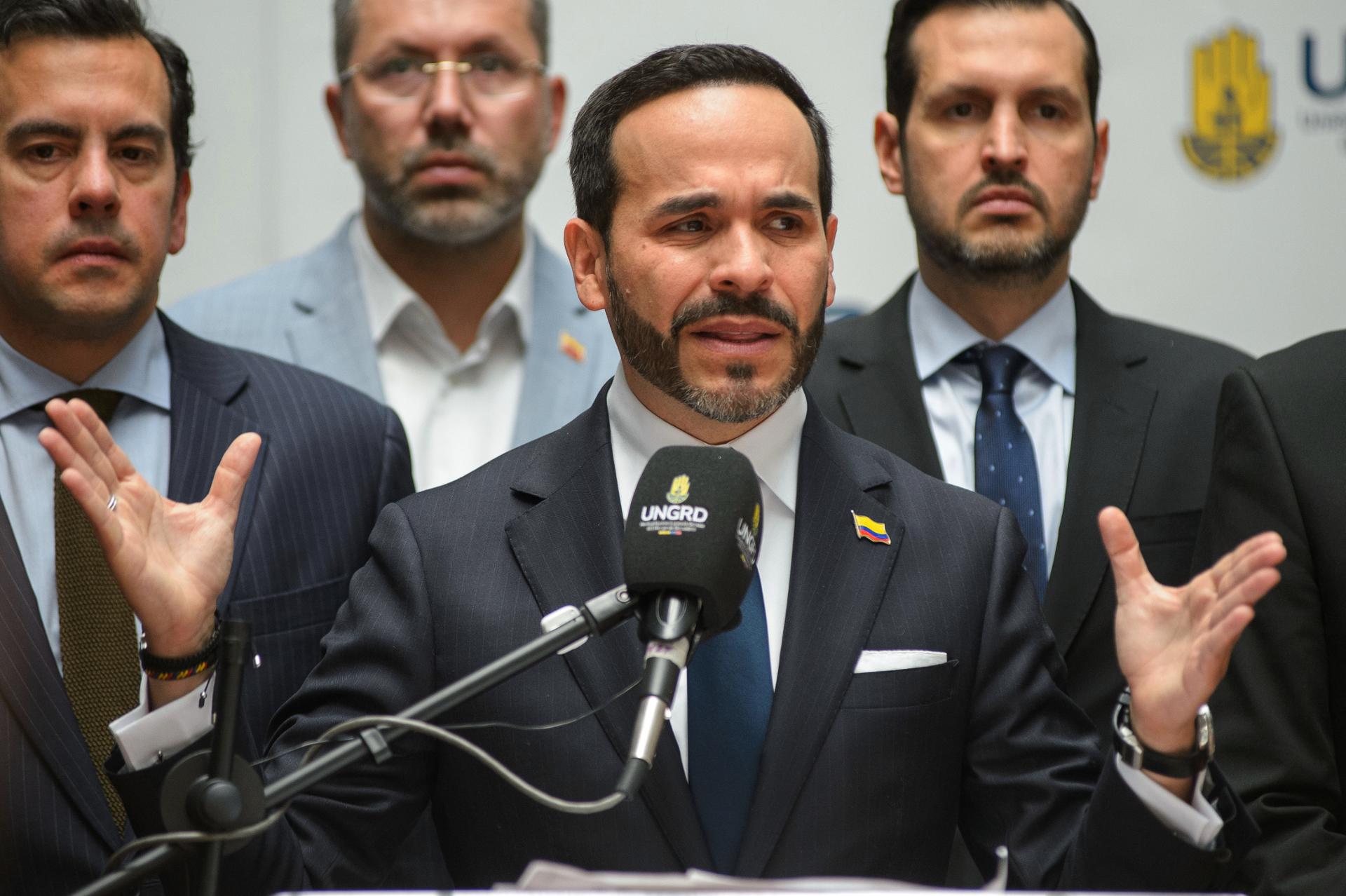
Colombian President Abelardo de la Espriella announced a state of emergency on Monday after a powerful earthquake killed at least 111 people, injured 87 others, and damaged more than 1,000 buildings across western Colombia.
The 7.4-magnitude quake struck at 7:34 a.m. local time (1234 GMT), triggering a frantic search for survivors in several cities. Its epicenter was located in Colombia's coastal Choco region at a depth of 100 kilometers (60 miles). Colombia sits along the seismically active Pacific Ring of Fire, where the Nazca, South American, and Caribbean tectonic plates converge, making major earthquakes a recurrent threat across the Andean nation.
"The national government is maintaining all its capacities deployed to protect lives, assist affected communities and deliver aid to every area that needs it," President de la Espriella stated from Bogota. The president, appointed just three days prior, confirmed the casualty figures during his address following an earthquake response meeting in the capital.
Authorities in Choco, an impoverished coastal region, reported 12 deaths. The provincial capital, Quibdo, suffered serious damage, with videos showing buildings reduced to rubble. Choco's dense jungle terrain and limited road infrastructure have historically complicated emergency logistics, raising concerns about access to isolated communities cut off by the quake.
"We are all devastated," Quibdo community leader Luis Gregorio Moreno told AFP. "At this moment there are reported deaths, dozens of wounded, but what there are most of are missing people."
The nearby city of Pereira was among the worst-hit areas. Local authorities reported that at least 40 people had died in the surrounding Risaralda region, of which Pereira is the provincial capital. Pereira and Manizales form part of Colombia's Coffee Triangle (Eje Cafetero), an economically vital region known for coffee production and tourism that has been repeatedly struck by seismic events, including the devastating 1999 Armenia earthquake that killed nearly 1,900 people.
In Manizales, the quake crumpled a tower of a beloved cathedral, as observed by an AFP journalist.
"A great many buildings" in the city sustained damage, said administrative worker Jaime Zuluaga, 50. "Traffic is paralyzed and people don't want to go back to their homes for fear of an aftershock."
In Colombia's third-largest city, Cali, at least 20 buildings collapsed, trapping people beneath debris, according to Mayor Alejandro Eder.
The early-morning tremor was also felt in Ecuador, Panama, and Venezuela, prompting building evacuations in Bogota. AFP reporters observed crowds rushing into the streets still wearing their pajamas.
"The quake was very, very strong," said content creator Valeria Polo, 29, in the capital, where only minimal damage was recorded.
Colombia's civil aeronautics agency confirmed that six small airports in western Colombia suspended operations. The country's soccer governing body postponed upcoming football matches.
U.S. Secretary of State Marco Rubio wrote on X that Washington is "closely monitoring the large earthquake that struck Colombia and stands ready to support the people of Colombia."
European Union chief Ursula von der Leyen said the EU was "ready to provide more support" to Colombia, adding: "We have already mobilised Copernicus, our satellite service, to help with rescue operations."
Israel, Mexico, Ecuador, and France also offered assistance.
The disaster comes as Latin America continues reeling from two major earthquakes that struck Venezuela in June, killing more than 6,000 people and causing widespread destruction.